
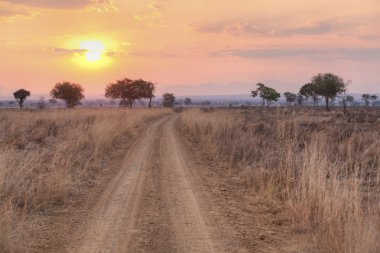
Westerners don’t go to Mozambique much. The place is poor, war-ravaged and storied in famine and tragedy. With the heavily-touristed and more comfortable neighbours – South Africa, Zimbabwe and Tanzania – all sitting across its border, no-one really bothers.
But they should.
This resilient, vibrant, friendly country is full of wonderful surprises, as I discovered in my late twenties on an eventful back-packing jaunt southward down Mozambique’s beautiful coastline.
This story is part of our Remote Landscapes series. Read more here.
The amputees of Beira
Four hundred-odd years after Portuguese explorer Vasco da Gama precipitated the colonisation of Mozambique, the country broke free of Portugal in 1975, but soon afterwards a civil war broke out. The war dragged on until 1992, only eight years before my visit. So when I arrived at the country’s second biggest city, Beira, it appeared run-down and tired, pock-marked by bullets but clearly once grand and beautiful. Several rusted-out shipwrecks close to shore augmented a pervading sense of destruction and aftermath.
However, the saddest, most confronting sight was the number of men (and the occasional woman) swinging along the street on crutches with one leg missing. During the war, Mozambique had become one of the most heavily land-mined countries in the world. More of that later.
The Bazaruto Archipelago is an untouched paradise
About 500 kilometres south of Beira – about seven hours by bus (although it feels much longer when the bus is full of chickens) – is the coastal town of Vilankulos, which sleeps right on a beautiful, azure beach. The town looks out to the little-known Bazaruto Archipelago, comprising six barely populated, exquisite islands about 15 kilometres offshore. It was to Benguerra Island, the second biggest, which I took a dhao, a slow but charming boat. I checked into very basic Gabriel’s Lodge, the only backpacker joint there.
I was not prepared for the beauty that awaited. A kilometre away on the Indian Ocean side of the island was a glorious long beach with a gargantuan sand dune. My diary at the time reads:
“I ran around and rolled down the dune like a lunatic. The view from the top was as beautiful as any I’ve seen. The island is enormous with lagoons, forests, plains. I have never been in such a deserted, isolated place. This island is true tropical paradise.”
Sadly since, after a local government decreed that all accommodations must become luxury resorts, Gabriel’s has been replaced by a high-end place called Azura whose rooms start at $US 900 per night, up to as much as $US 5,700 per night.
An unlikely encounter with Melbourne couture
I was determined to hitch-hike my way south along the main national highway to Maputo, the capital, then eventually on to South Africa.
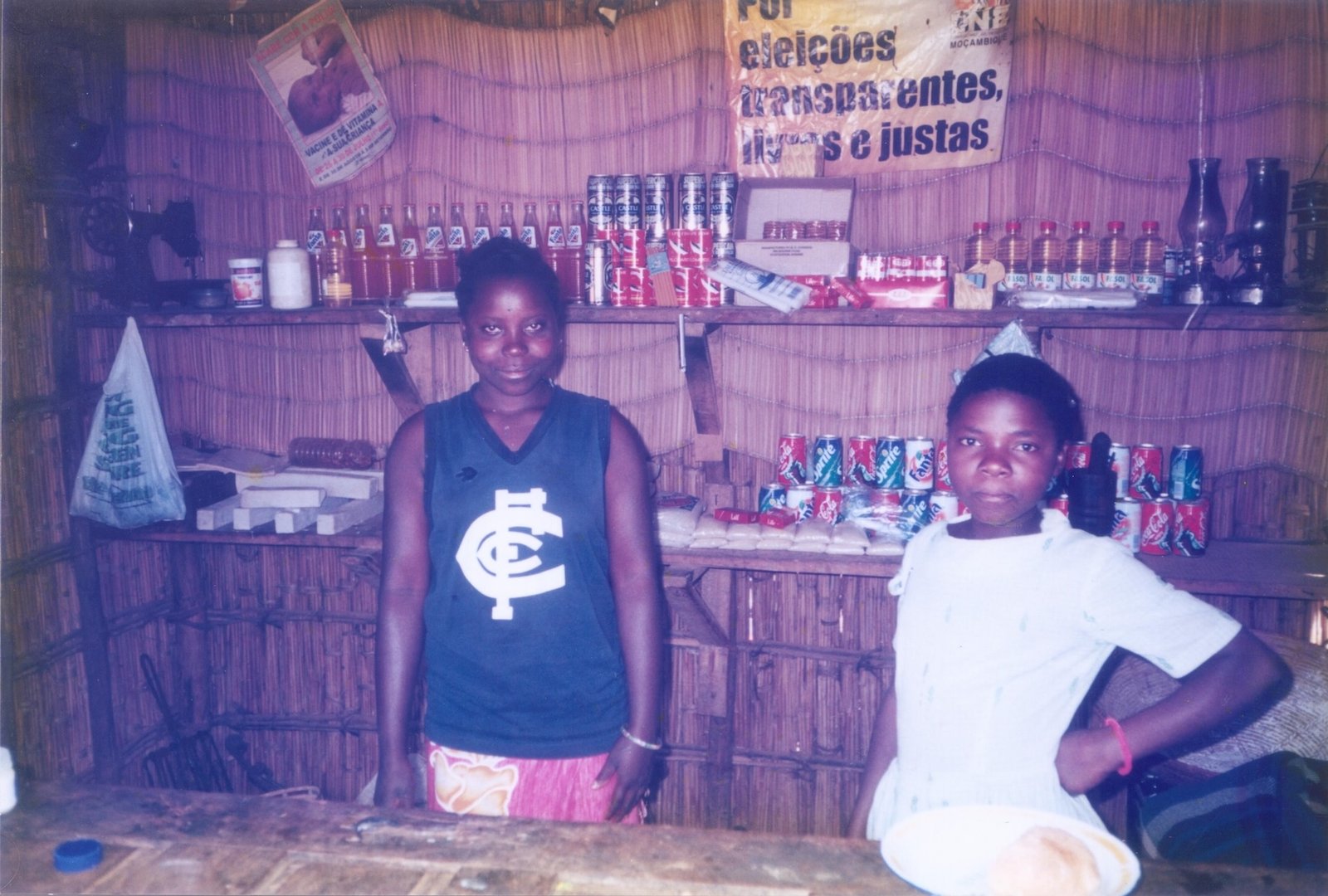
I made my way slowly to the highway. At the turn-off there was a lone thatched-roof roadside kiosk, and I decided to get something to eat. To my astonishment, behind the counter, the young girl serving was wearing a real, actual Carlton footy top. I couldn’t believe it! A Carlton footy jumper, in the middle of nowhere in Mozambique.
Oblivious to the likely language barrier, I excitedly asked her where she got it. She either couldn’t understand me, or didn’t know where she got it, or just didn’t care. Judging by her demeanour, it was all of the above. Her sister looked on, confused and bemused as I took a photo. They served me a light dish of maize meal and some fairly ordinary meat. After I had finished, they told me the meat was zebra. Thanks girls.
An equally unlikely encounter with two Aussie sappers
I sat on my backpack just down the road and waited for a ride, thumb out. A single car came perhaps every ten minutes. Just as I was thinking that hitchhiking might have been a mistake, a shiny white four-wheel drive zoomed past and the passenger looked at me. It immediately stopped and backed-up. I picked up my backpack and approached as the window rolled down. Inside the car were two white men in camouflage military uniforms.
“Where’re you going mate?” asked the driver.
It was an Australian accent. What the hell is going on in this place?
“Ah, I’m off to Maxixe, then Maputo,” I said with a smile.
The passenger replied – I’ll never forget – “Well I’m fuckin’ takin’ ya there because you’re Australian!”
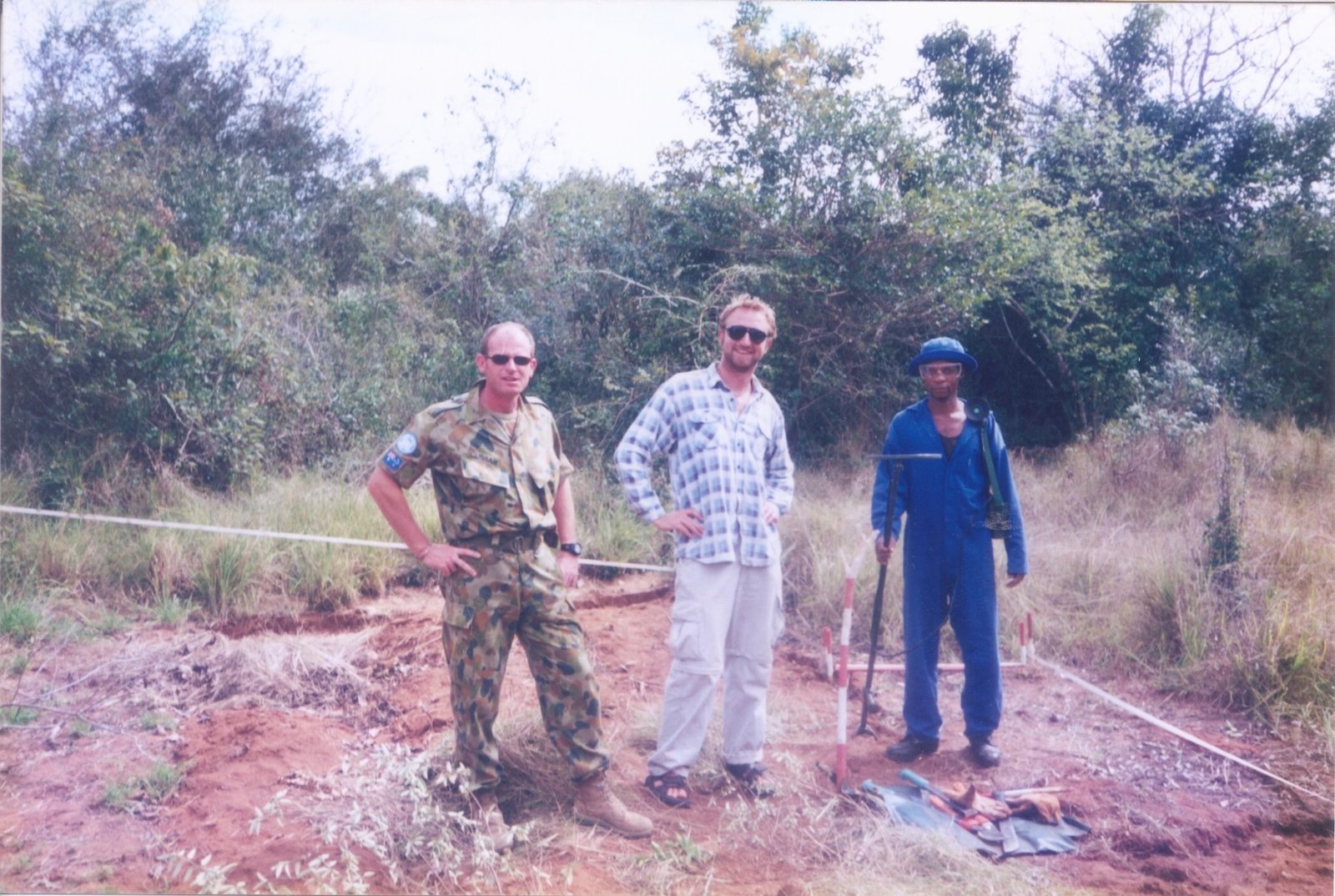
The two blokes got out of the car, we introduced ourselves and they loaded in my backpack. They were Australian Army officers – Captain Ivan Curran and Major John Roberts. They were sappers – specialists in defusing and removing landmines – on assignment in Mozambique to teach locals how to demine minefields. They were the only two uniformed Australian military personnel on the entire African continent, they said, and incredibly I had found them while hitchhiking.
Walking through a minefield
John and Ivan were great blokes. They were inordinately excited to meet a fellow Aussie in the middle of nowhere, 1000km from the capital.
They told me about the history of the war, the peace agreement and scale of the landmine problem. Over 200,000 landmines had been planted and needed to be removed.
As if that was not hard enough, only six months earlier Tropical Cyclone Leon–Eline had caused catastrophic, country-wide floods which had lifted and displaced many landmines randomly around the countryside. A coalition of military and civilian folk from all over the globe were working together to demine the whole country.
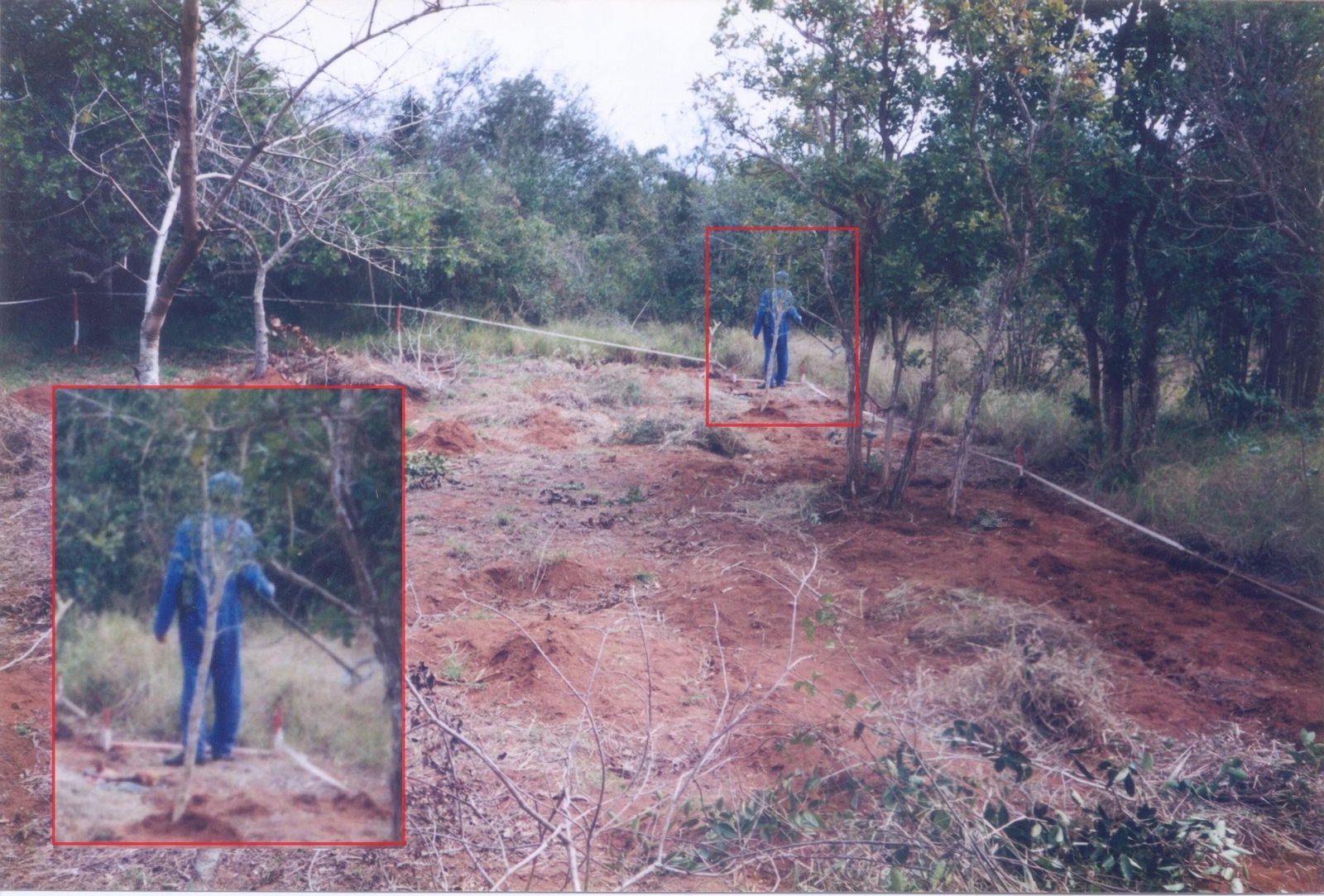
As we drove to Maxixe, the next big town, John and Ivan took me to a minefield. I was issued goggles (which struck me as scant protection against a landmine) and was invited to inspect the area with a couple of the local trainee sappers. The demined area was carefully marked-out and beyond that was ‘live’.
I had a crack on the metal detector, but not in the live area since that would have been, well, crazy. The field was being cleared at a rate of 20 linear meters per day, or some similar rate that seemed to me to be, frankly, futile. Anyway.
Onwards to Maputo
John and Ivan took me as far as Maxixe, then I made my own way to Maputo where I stayed with their Kiwi army mate, Neil, who was just as much a gentleman. John and Ivan arrived in Maputo the following weekend and the four of us had a whale of time.
Maputo’s nightlife was fabulous. With the enduring Portuguese Latino influence, the colour and movement had a different flavour to, say, next door neighbour Zimbabwe which was colonised by the British.
Mozambique was unforgettable – highly recommended for travellers with an open-mind, patience and tolerance for roughing it a little.
Postscript: One month ago, Mozambique celebrated 10 years of being officially declared landmine free.
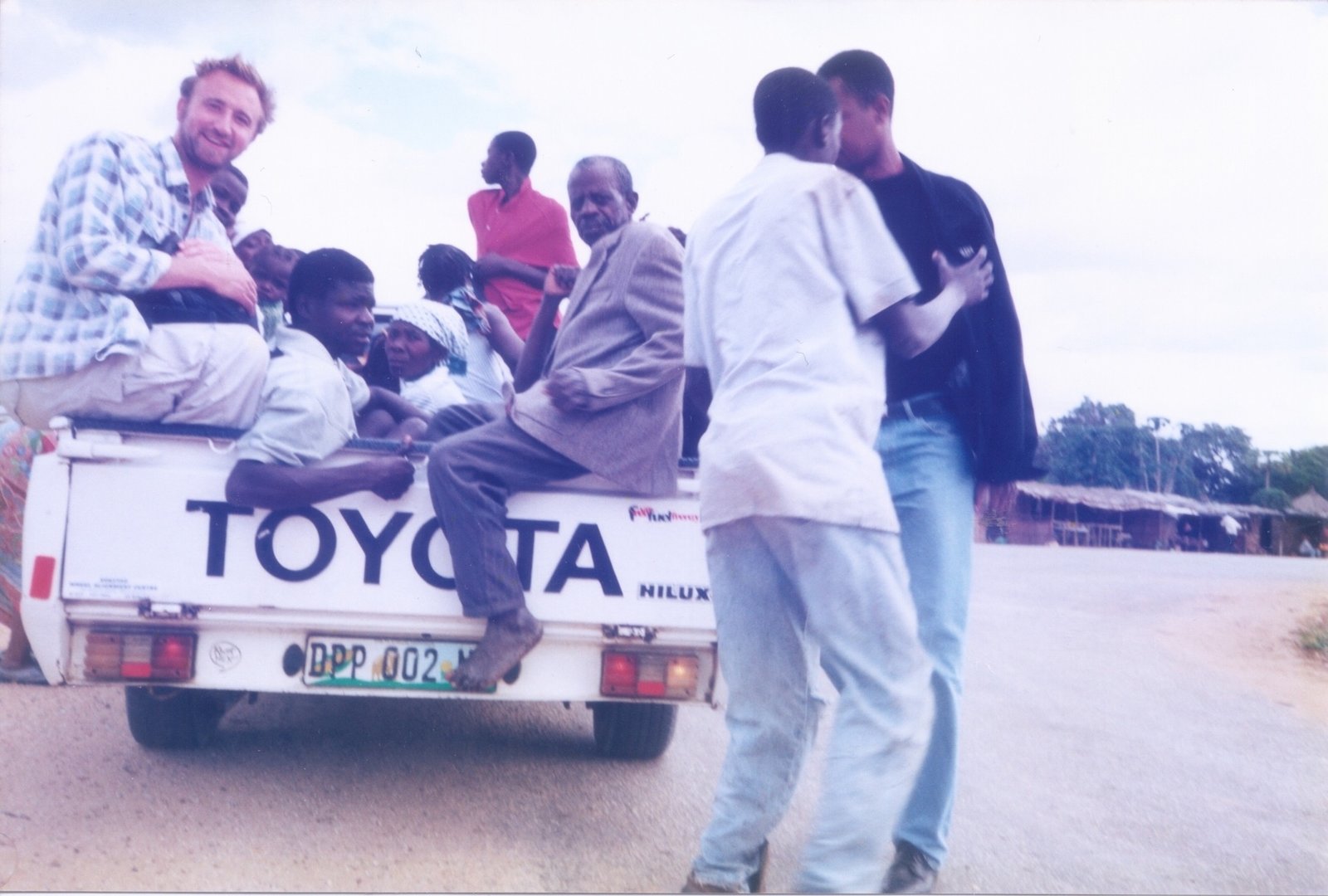

Mark currently works in finance and has travelled extensively throughout Asia, Europe, Africa and North America. India will be his next stop.
Hi Mark, thanks for telling your story. I lived in Blackburn North, Melbourne in the late 1990s. John Roberts lived across the road. Last I caught up with John, he revealed that he regularly returns to southern Africa.
[…] Scars of conflict can take decades to heal. For other examples, see our articles on Cambodia and Mozambique. […]