
This is the third in my “Where Does Stuff Come From?” series.
A Journey into Cambodia’s Cashew Country
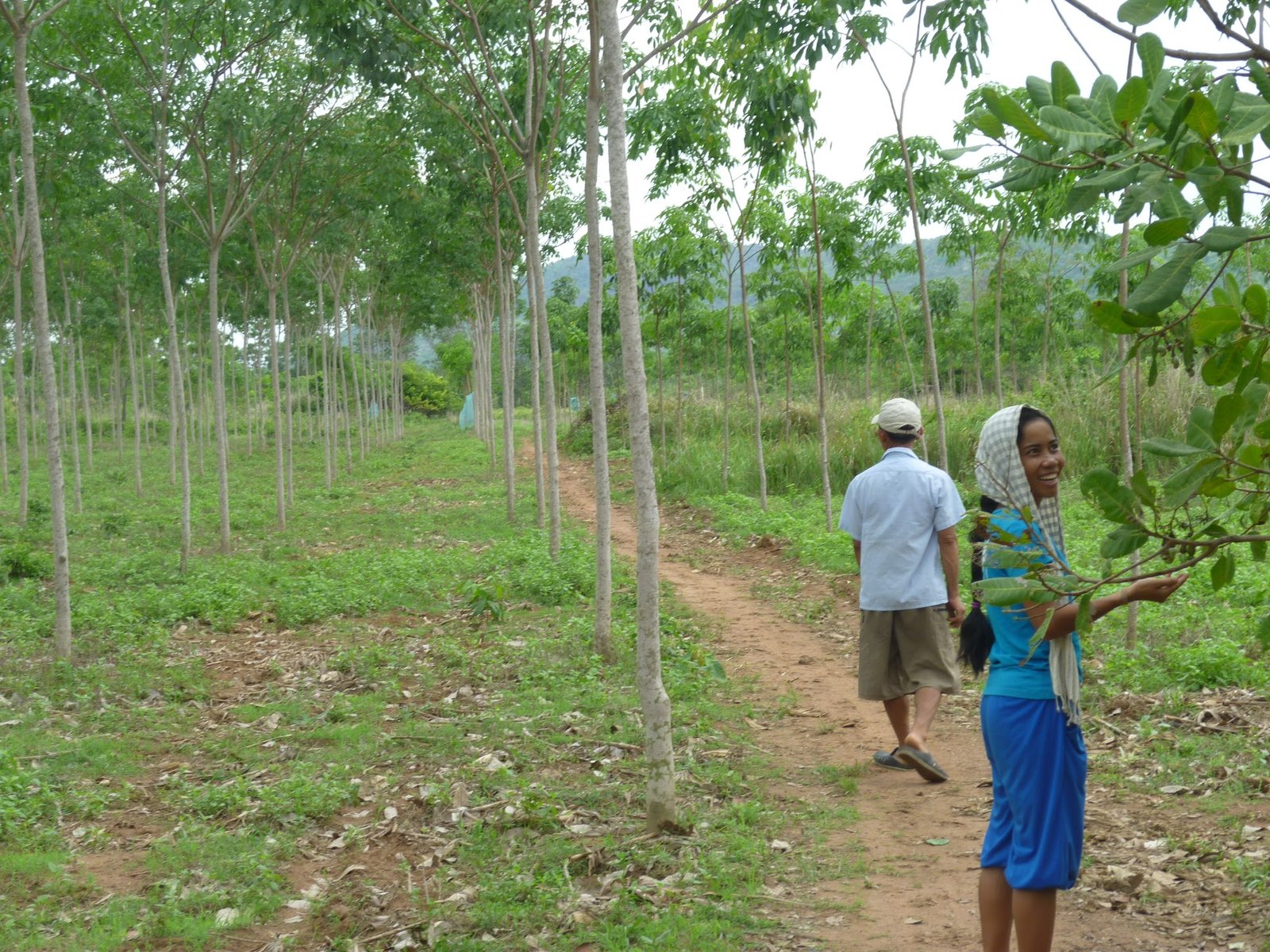
A few years ago, while travelling through Cambodia and Thailand with my wonderful guide and interpreter, Thavry, we found ourselves in southern Kampot Province visiting a cashew farm. As with many stories in this series, my interest in the farming itself (fascinating as it is) took a back seat to the lives and resilience of the people I met.
This story is part of our Borderlands & Crossings series. Read more here.
Where Cashews Come From
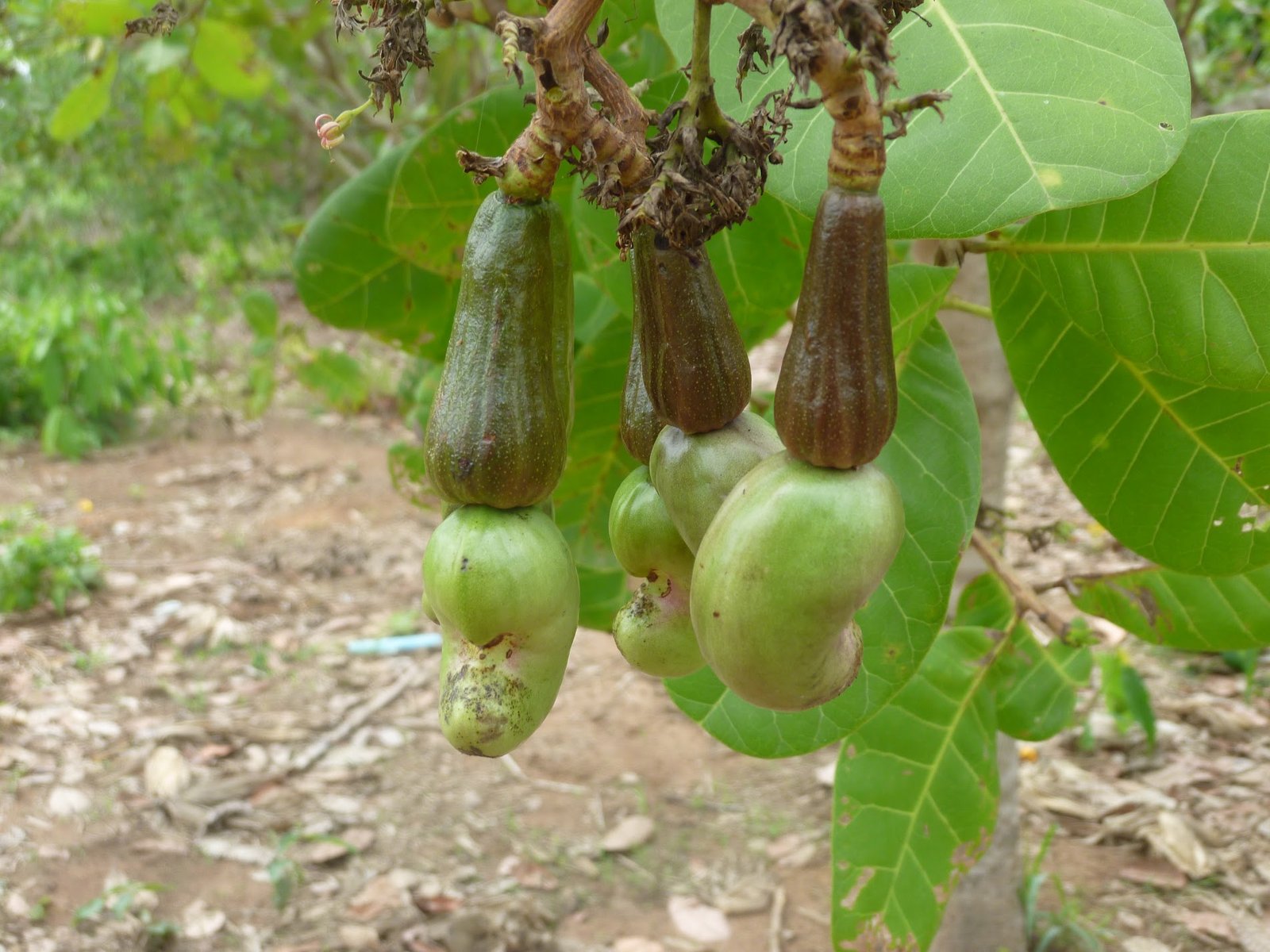
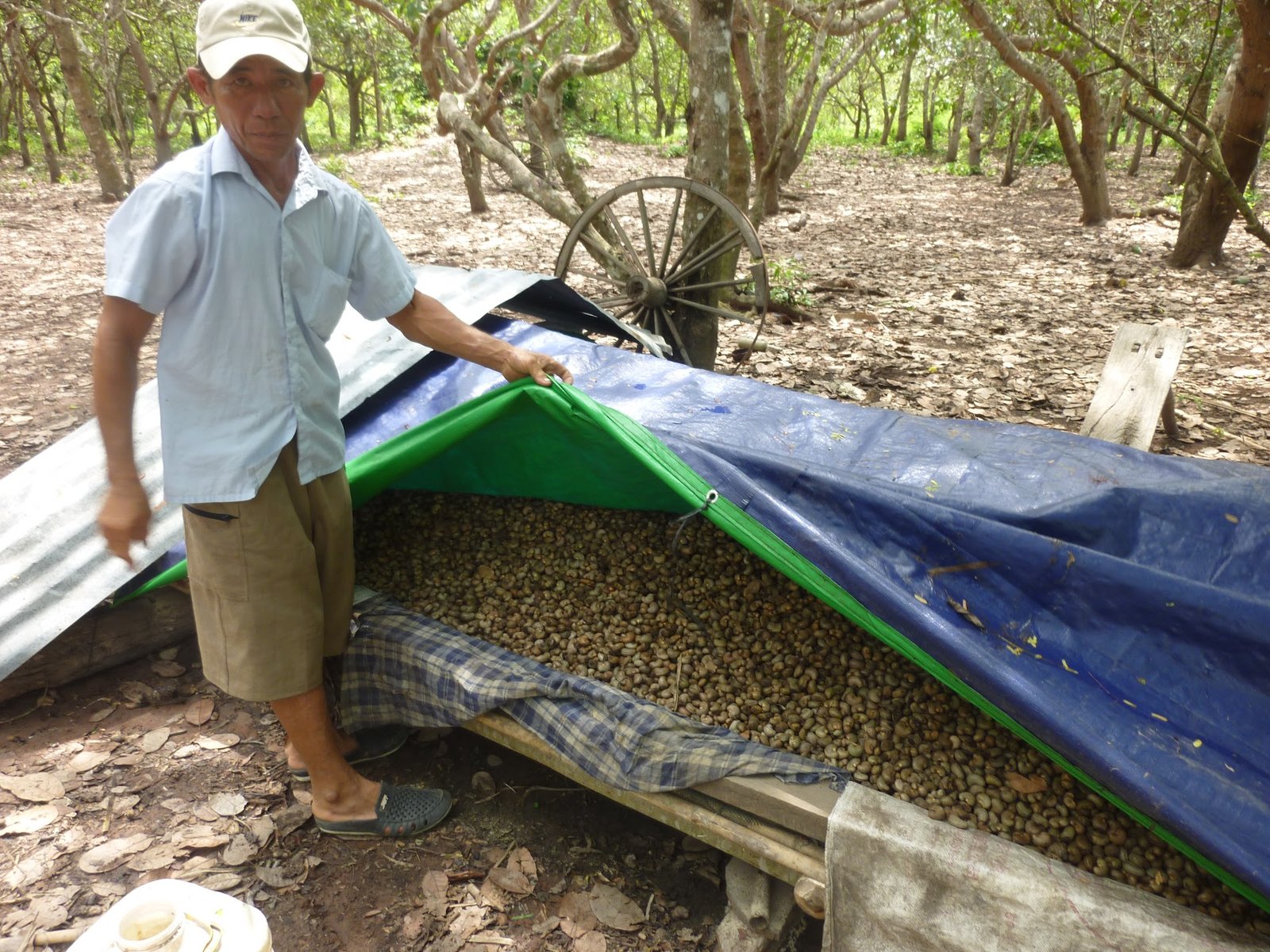
Few people know that the cashew is not a nut but a seed. It grows inside a grey shell attached to a pear-shaped fruit called the cashew apple. Once the fruit falls, the shell is snapped off, and the apple is usually discarded. Extracting the seed is tricky business—the shell contains a resin similar to poison ivy that can burn the skin. Shelling and processing therefore require special facilities.
Cambodia lacks both the capital and production volume to justify mechanical processing, so its entire cashew crop is exported to Vietnam. There, factories process the nuts and sell them on the global market for around six times what they pay Cambodian farmers. Prices in Cambodia are set by Vietnamese brokers, leaving farmers with no control over what they earn.
Meet the Farmers: Mr. Ken and Mrs. Da
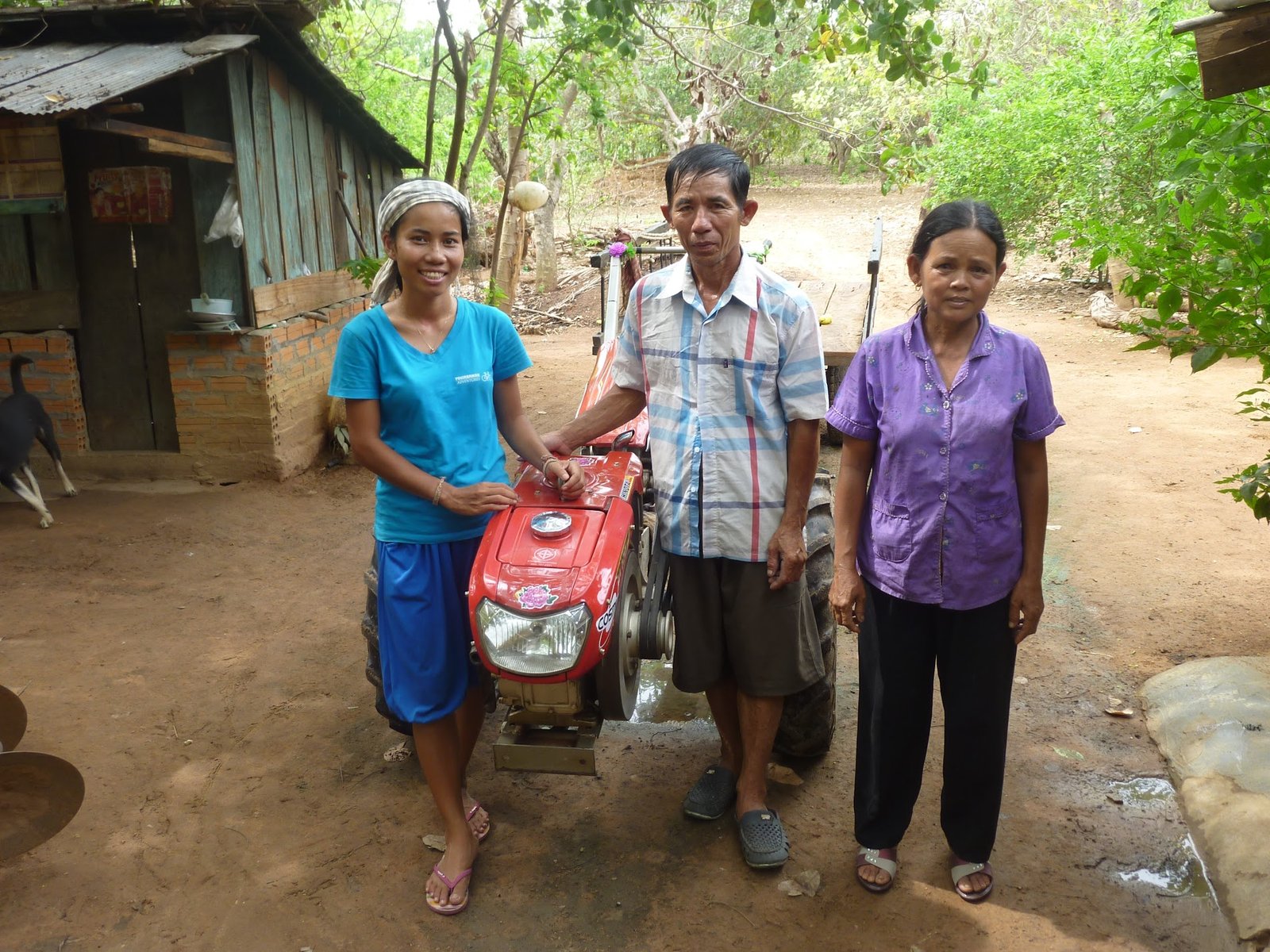
Mr. Koe Ken and his wife, Vang Da, own ten hectares of cashew trees in Kampot. When I met them, they had been farming cashews for fifteen years and had recently begun planting rubber trees for future income.
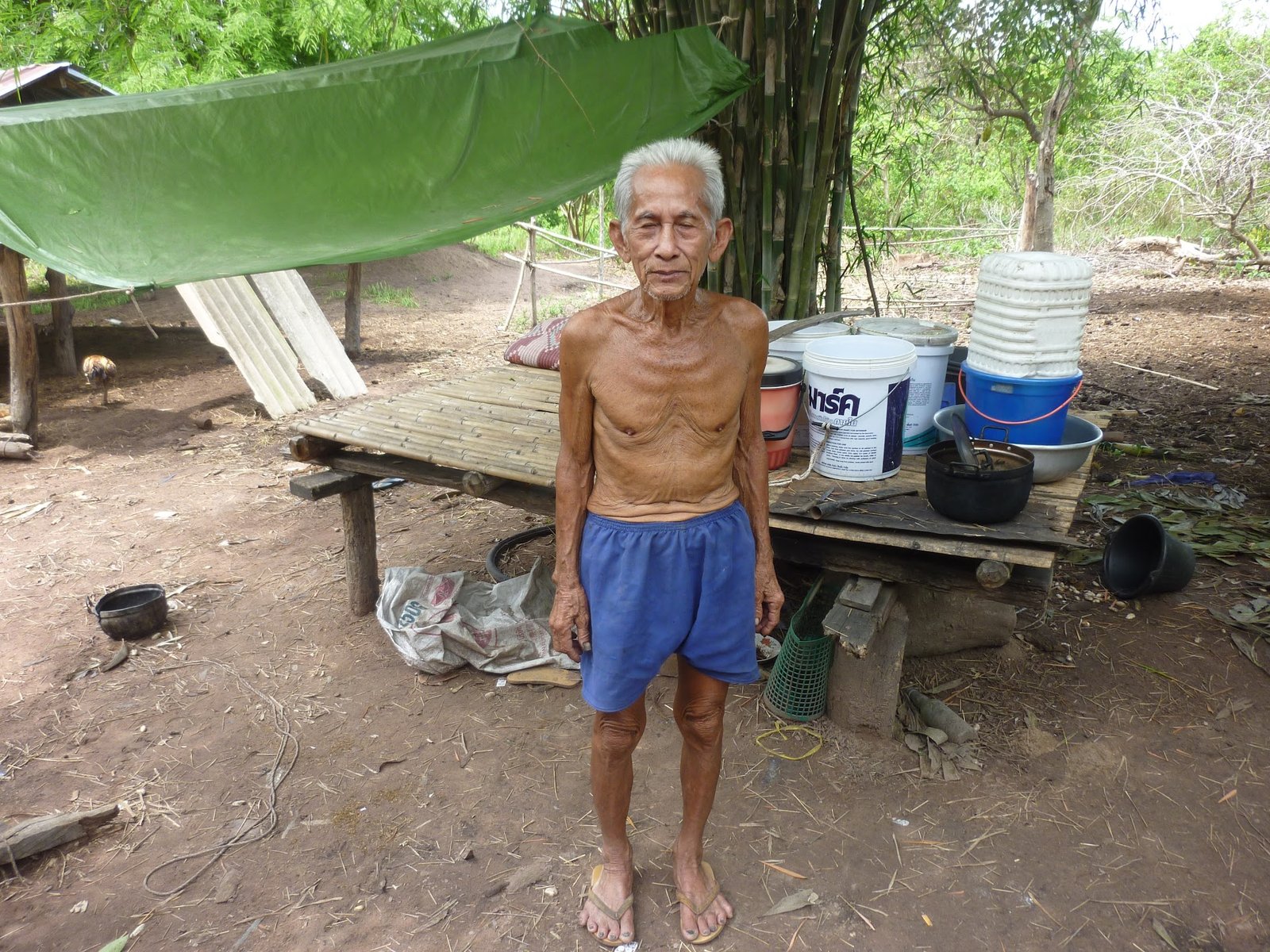
Next door lives Mr. Ken’s father, 78-year-old Koe Keav. Still spry and full of humour, he laughs as he tells me he doesn’t know how much land he owns or how many trees he has—only that he’s been here “since after Pol Pot.” He jokes that cashew farming is “the laziest kind of work—I just wait to hear the fruit drop.”
Life on the Land
Electricity and running water haven’t reached their properties. Homes are simple—corrugated iron and rough timber, windows open to the air. Meals are cooked over wood fires in outdoor kitchens.
It’s a 40-minute motorbike ride to the nearest doctor, school, or shop along dirt roads that become impassable in the wet season. Dogs and scrawny chickens roam freely. Cashew trees grow like a forest; mangoes, papayas, and jackfruit are abundant, and the family is self-sufficient in rice.
Mr. Ken and Mrs. Da, both 54, have eight children (aged 18 to 33) and six grandchildren. One son works on a rubber plantation nearby; the others labour in Thailand. None went beyond Grade 4 in school—distance and lack of transport made it impossible.
Thailand offers slightly better pay thanks to a minimum wage, but Mrs. Da shakes her head. “Many Cambodians gamble away their money,” she sighs, rolling her eyes about her eldest son.
Building a Future in Rubber and Land
Mr. Ken has promised each child one hectare of land when he dies. That’s why he’s been planting thousands of rubber trees—he hopes rubber will yield more stable returns. To Westerners, subdividing a farm might seem inefficient, but for Mr. Ken and his wife, the land is all they have to offer. Whether the children will return to claim their inheritance remains to be seen.
Lunch and Memories
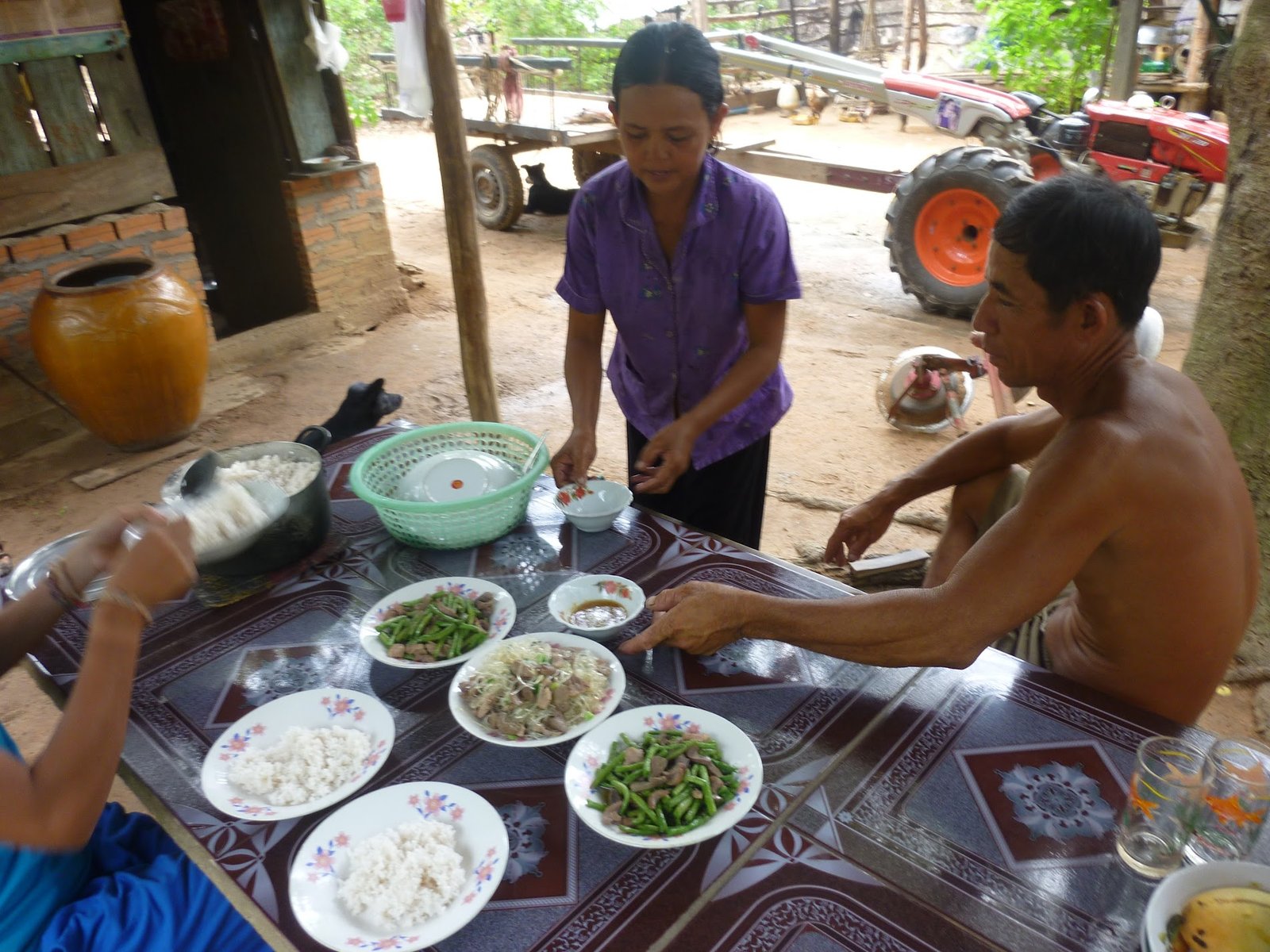
Lunch is simple: rice, chopped pork and offal, long beans, glass noodles from the market, and a salty homemade sauce. Not exactly gourmet fare, but there are fresh mangoes afterward.
As we eat, they talk about their past—like many Cambodians of their generation, their lives were shattered by the Khmer Rouge. Both were forced to work as teenagers on a road crew, building a dirt track that still exists today. Their daily ration was a bowl of rice soup—occasionally with a cassava leaf for flavour.
They saw family and friends starve. Mrs. Da’s best friend was executed before her eyes. “When the Vietnamese came in 1979, the Khmer Rouge left,” she says, “but the hunger stayed.” With no rice crop for two years, they survived on banana trees, water lilies, and taro roots. “Today, pigs eat better than we did then,” she adds quietly.
The Father’s Land and Legacy
After lunch, we walk ten minutes back to Mr. Keav’s house. He is thin, cheerful, and still working hard. His second wife, twenty years younger, laughs easily beside him. When they married 35 years ago, they divided their assets equally. Asked why, he grins mischievously: “So she doesn’t get lazy!” She smiles and explains that for her, it was about security—her own land, her own future.
Their only son, educated to Grade 2, now works on a Chinese-owned salt farm nearby.
As we chat, the women prepare mushrooms gathered from the forest that morning. They are as engaged in the business talk as the men—discussing prices and complaining about the Vietnamese brokers. Mr. Ken is surprised when I mention that farmers elsewhere keep beehives to increase yields or sell cashew apples as fruit. “No one has ever told us that,” he says. No government advisor has ever visited them.
Before we leave, Mr. Keav hands us a bag of roasted cashews he shelled himself—warm, golden, and delicious.
Counting the Cost of a Living
Mr. Ken’s income is around US$500 a year, mostly from cashews. His pride and joy is his “machine cow”—a small tractor-trailer common on Asian farms. He bought it for $2,000 by selling real cows, and he’s decorated it with cartoon stickers and cereal-box labels. He can earn extra income working for neighbours, but he prefers his own land.
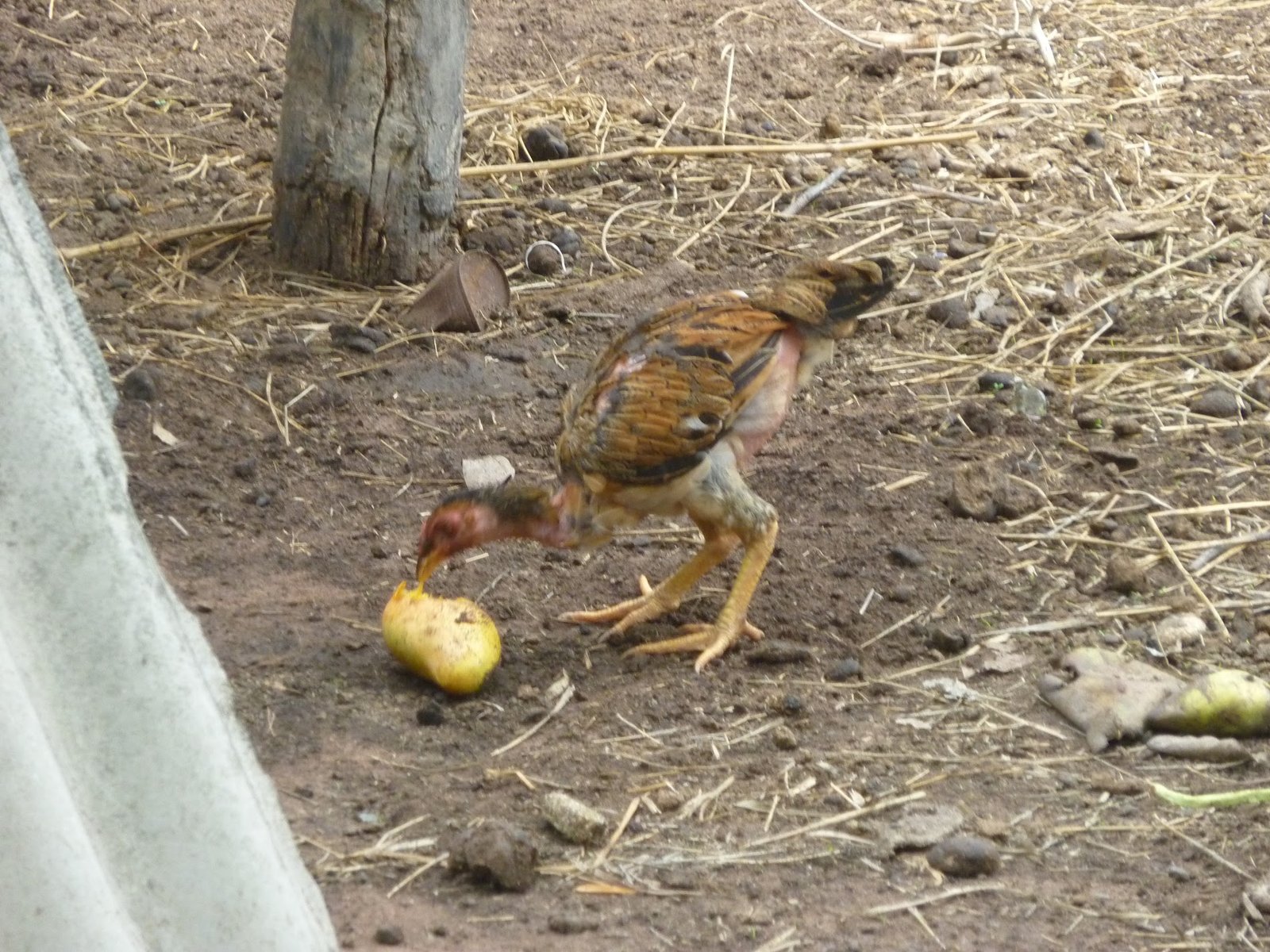
He also sells charcoal from old cashew trees for about $2 each, and occasionally chickens for weddings. Despite their thin appearance, he assures me they’re tasty thanks to their fruit-based diets.
Together, Mr. Ken and Mrs. Da live on roughly $1.50 a day—an unimaginable figure for most Westerners. Yet they raised eight children on that income and own about $50,000 worth of land.
They know they are poor, but show no bitterness. “We are lucky to be alive,” they tell me. “We have land, and we can feed ourselves.” Mrs. Da adds softly, “Education is light. We live in a dark world.”
The Price of Cashews—and Who Gets What
Cambodian farmers earn about 75 cents per kilo for raw cashews. By the time they leave Vietnam, they’re worth $8–9 per kilo, and by the time they reach Australian supermarkets, $24–35. Even allowing for packaging, transport, and taxes, the family near Kampot receives barely 2.5% of the final retail price.
A Road and a Memorial
On the way back along the road to Tropeang Kok, we pass a lake, named Tom Nub Bro Teak Kro La. On its southern edge rises a steep hill with new steps climbing to the top. Assuming there’s a temple, we climb the 300 steps in the heat.
But there’s no temple—only a small shelter, a shrine, and drawings pinned to the wall. A supervisor explains they’re building a memorial to those who died building the road under the Khmer Rouge. The project is funded by donations from local families, many of whom lost loved ones more than 35 years ago.
He points to the road below—the very one that Mr. Ken and Mrs. Da were forced to build as teenagers. They hadn’t mentioned the memorial, and I don’t know if they even know it exists. But perhaps there is comfort in knowing that, as the world speeds ahead, some people still remember—and honour—the suffering and resilience of these quiet farmers.

Steve is a former Army officer and technology manager, now semi-retired and living in Melbourne. He enjoys adventurous travel and believes that good stories should be shared. He founded the Dusty Boots Journal as a means to connect those with similar interests.
[…] If you enjoyed this story you might also like Cashew Farming in Cambodia: Lives Shaped by Land and History. […]
[…] If you enjoyed this story you might also like Cashew Farming in Cambodia: Lives Shaped by Land and History. […]
[…] of conflict can take decades to heal. For other examples, see our articles on Cambodia and […]
[…] For another insight into Cambodia and its legacy of conflict, have a read of our article on the ageing couple who survived the Khmer Rouge and have raised a family on a cashew farm. […]
[…] about Cambodia, you might also like our articles about the Siem Reap war museum, peanut farming, cashew farming and Kampot pepper. These articles all touch on the modern history of Cambodia, and how the lives of […]