
The World War II Sandakan Death Marches were in August 1945. Seventy years later, I trekked large lengths of the 240-kilometre Death March trail – those not overtaken by palm oil plantations – with a team of about 40 Australians. The aim was to attend the Sandakan Memorial Day on 15 August 2015, but along the way, the trek facilitated giving, enjoying and healing; often through engagement with the local community.
Fifty percent were staff from RSL New South Wales, fifty percent were veterans and one hundred percent were unsure of what the next nine days would demand of us. The Sandakan Death March trail has that effect. Even before you take a single step, the weight of history presses in.
I remember the quiet of day one in Ranau, Sabah on 6 August. A strange, anticipatory quiet that settled over our mixed band of trekkers as we stood admiring a distant Mount Kinabalu, adjusting packs and swatting early‑rising mosquitoes. Some were searching for wi-fi.
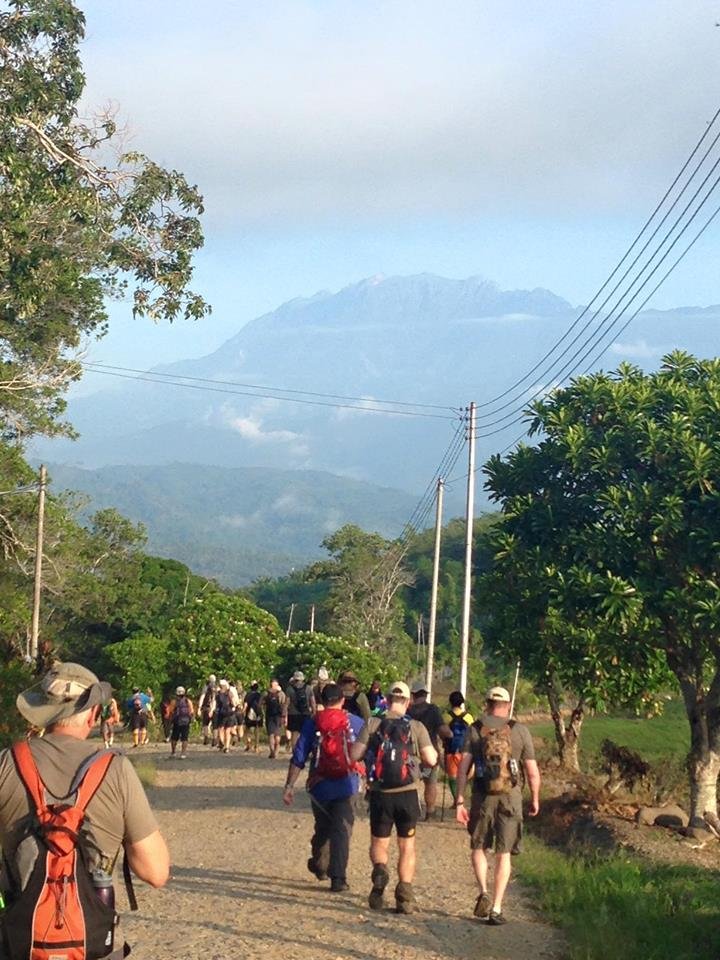
We were guided along the trail by local Malaysians with deep experience of the marches. Our guides – lean, unflappable men who moved through the jungle with the grace of experience – gave us a final briefing. They spoke softly, with the kind of authority that comes from deep familiarity, not bravado. Their families had lived with the legacy of the marches for generations. They knew the stories, the terrain, the ghosts. Their giving was helping the healing within the group.
Then we began.
I was in the leadership team, watchful of all three groups. As we got our boots dusty, the jungle wasted no time in swallowing us. One moment we were on a rough trail, the next we were threading between towering trees, vines looping overhead. The air was thick enough to drink. Within minutes, my shirt clung like a needy toddler.
Humour became the unofficial coping mechanism. Every time the trail pitched upward at an angle that felt personally insulting, someone would offer a cheerful, ‘Only a few more kilometres!’
But beneath the jokes, there was a steady, shared awareness of where we were and why. The Sandakan Death Marches were among the most brutal episodes of World War II in the Pacific. Of the more than 2,400 Australian and British prisoners of war forced to walk this route, only six survived – and only because they escaped. Every step we took was layered with that knowledge.
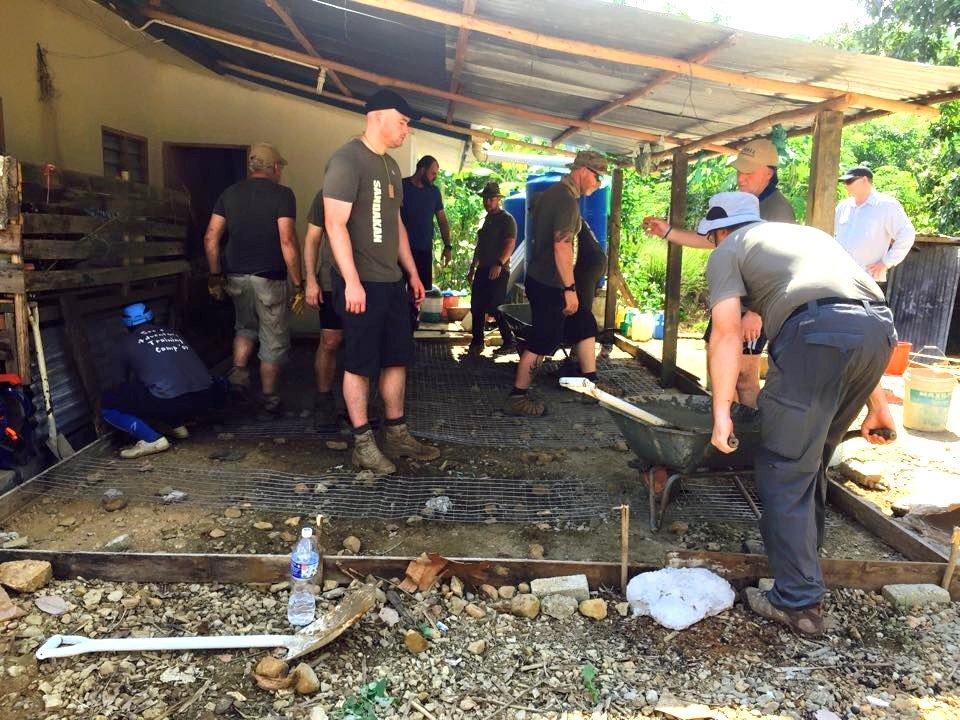
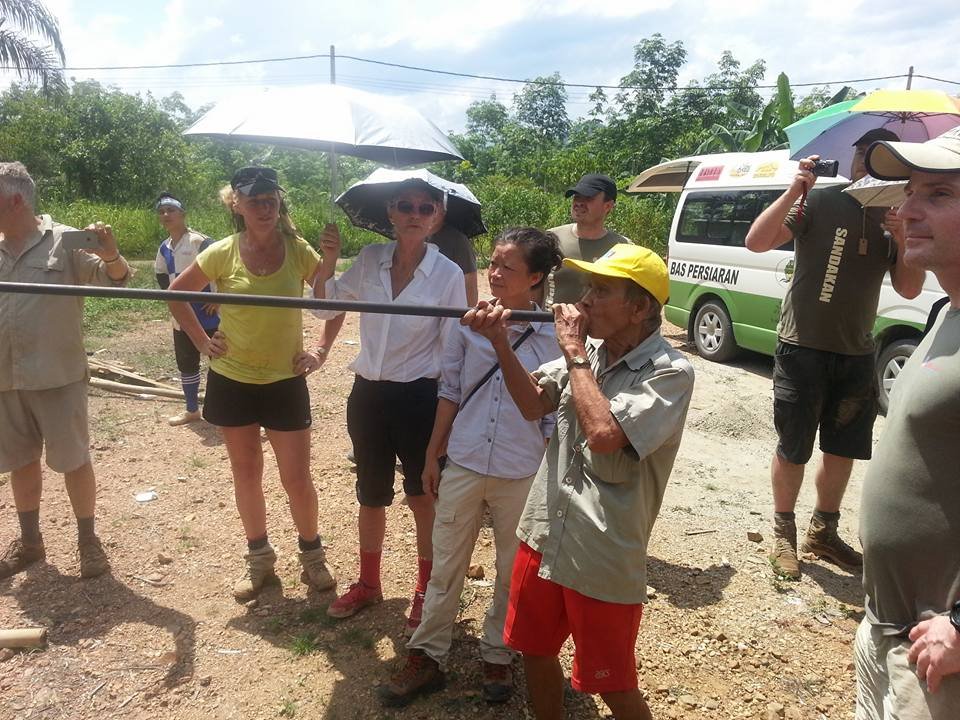
We built a concrete floor for a village elder for drying tea leaves. Taking most of the day it was sweaty, muddy labouring. We finished the afternoon with lessons in poison dart blowing, the village elder sharing the technique that enabled him to kill eight Japanese soldiers as a young man in the last year of the War.
This story is part of our Walking, Hiking and Meaningful Routes series. Read more here.
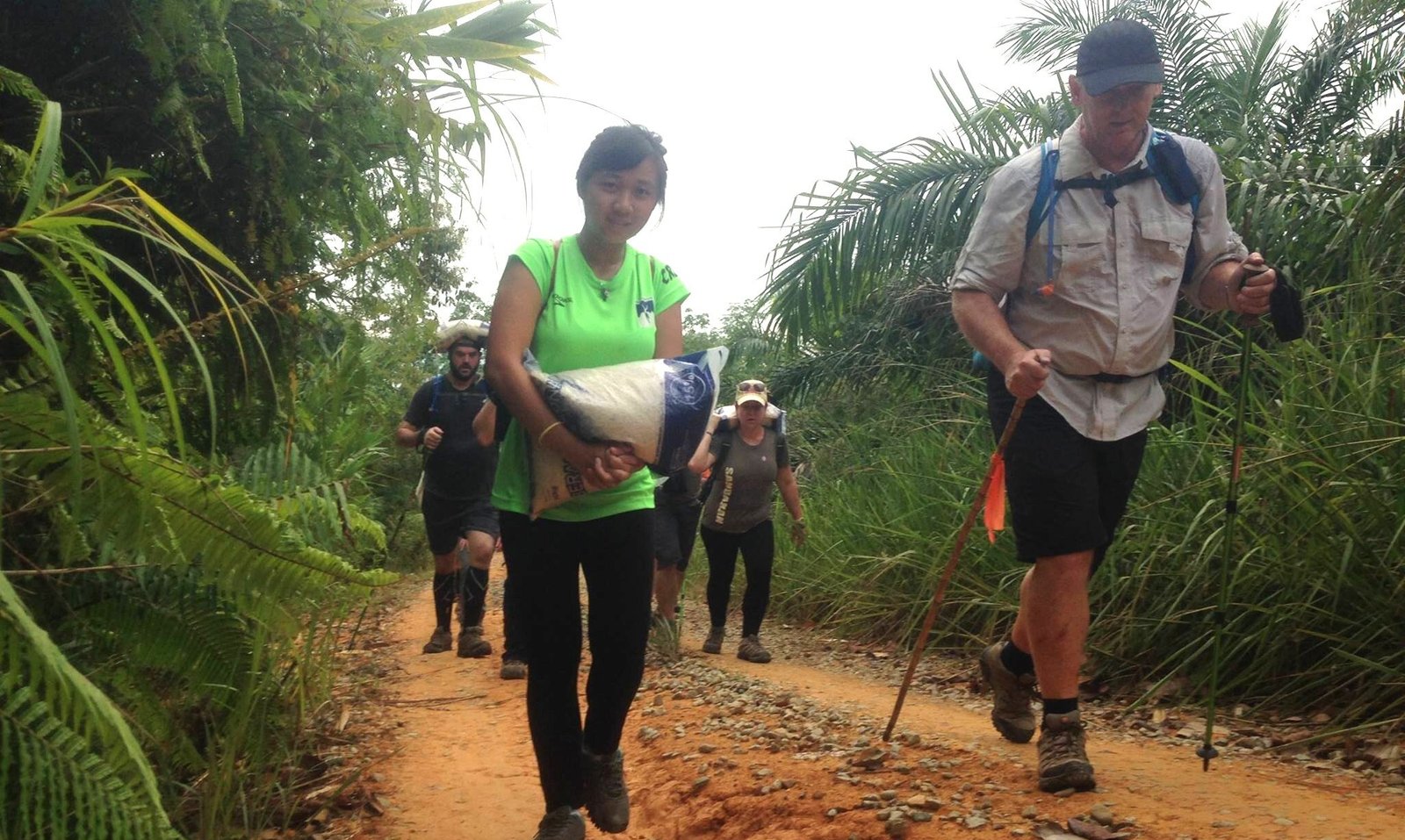
On another day, we were divided into teams of six and each team had to carry three 20-kilogram sacks of rice. One of the veterans, grinning through the strain, said, ‘I survived Afghanistan. I can survive this rice.’ We trekked for hours over a large mountain to give the rice to a remote community; the arrival of supplies was an event. The villagers welcomed us with a warmth that felt almost disarming. Children followed us like a cheerful escort, giggling at our attempts to speak Malay and openly fascinated by our blisters. I will never forget the joy of our group – half of whom had once worn uniforms into war zones. In some way it was linked to the story of the marches as in another way the team building was an act of healing.
In the afternoon, we sat in a school with families who shared food, stories, and a generosity that made our efforts feel small in comparison. Many of us had brought stationery items for the school kids which we gifted to our wonderful host families.
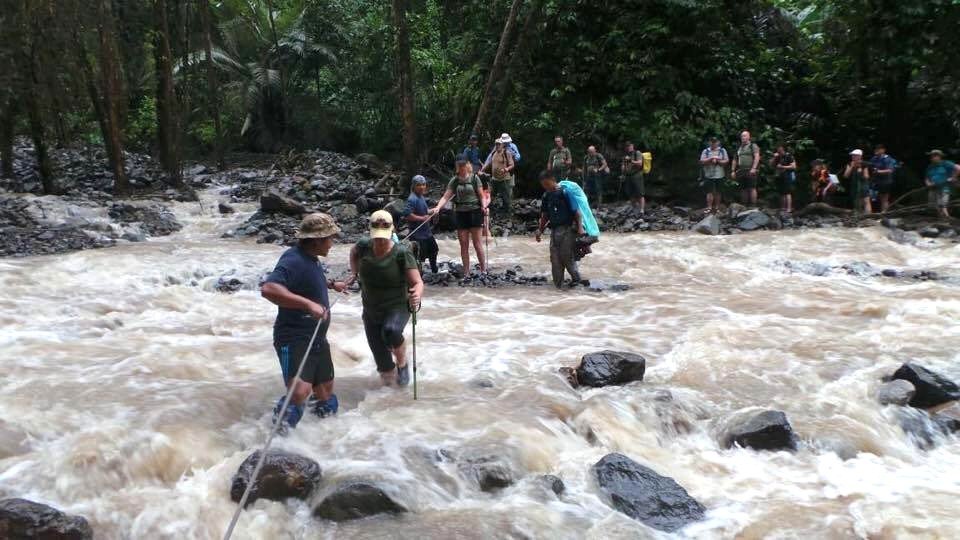
We tackled other hard sections of the trail, such as Taviu Hill. In many places the jungle grew denser, the climbs steeper. At one river crossing, the water surged around our thighs, cold and insistent. Our guides anchored ropes, and we moved across in a slow, shuffling line, further team building. One misstep and you’d be halfway to the Sulu Sea.
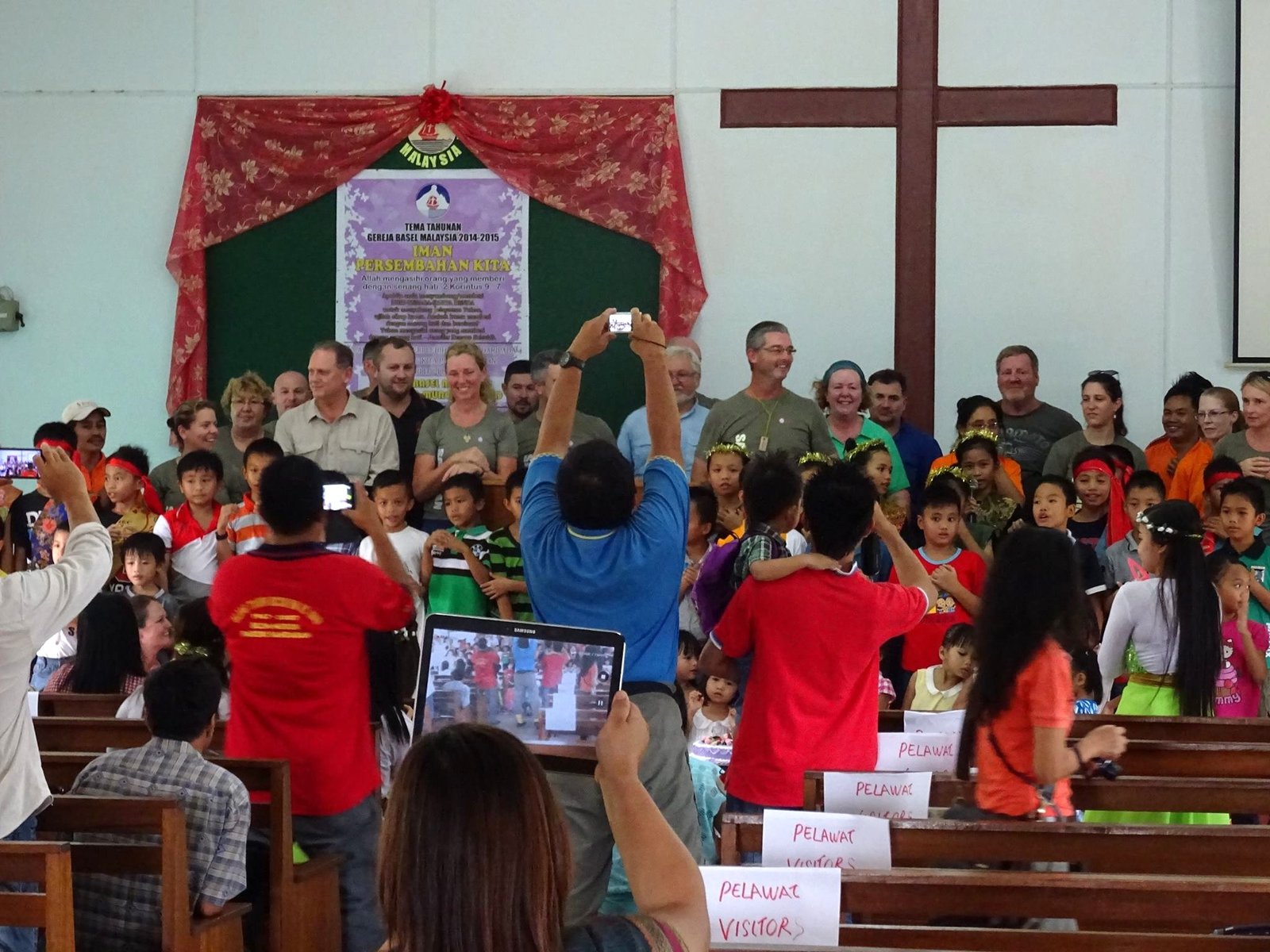
On the Sunday, we attended a Christian church. During a service of more than two hours, our group sang all the verses of the Australian favourite ‘Waltzing Matilda’. Even the untalented knew the words and the tune; it was joyous even if the congregation had no idea of its meaning.
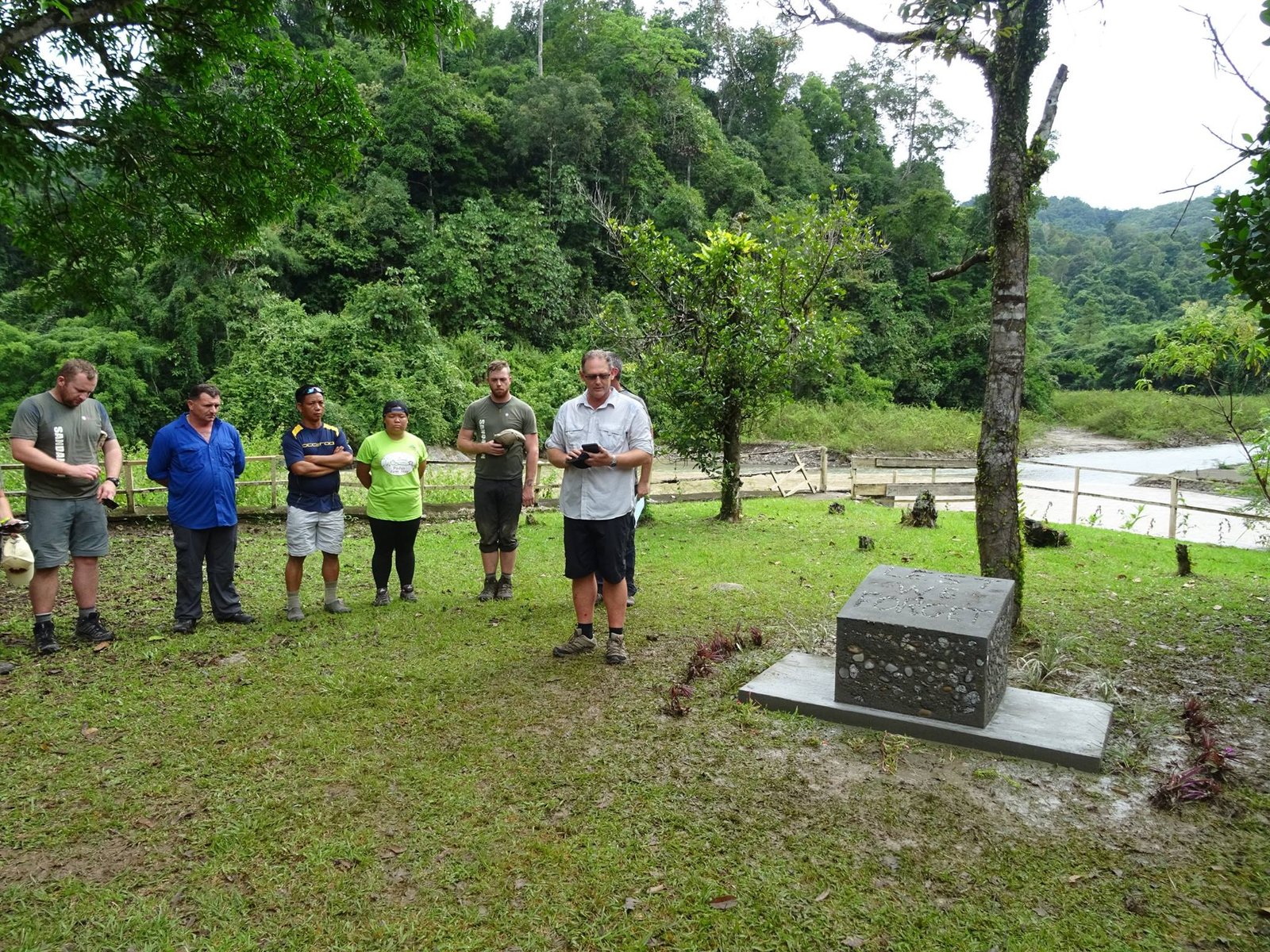
We sought out a bend in a larger river. Our guides told us many prisoners of war had died there, many executed when they could no longer continue. Over the day, we built a small memorial – simple, respectful, made from local stones and cement. No grand gestures, no polished plaques. Just a marker to say: ‘lest we forget’. When the structure was finished, we held a memorial service, I read the Ode. The jungle, for once, seemed to fall silent.
It was the most profound moment of the journey, giving, enjoying, healing all at once.
Every kilometre brought us closer to Sandakan, closer to the place where so many prisoners of war had begun their ordeal. We attended the Sandakan Memorial Day; our guides watched with solemn respect. I was proud of the work we’d done, the trail we’d honoured, the engagement with locals and the way we’d carried one another through.
The Sandakan Death Marches
The Sandakan Death Marches of 1945 are considered the single worst atrocity suffered by Australian servicemen in World War II. Following the fall of Singapore, some 2,434 Allied prisoners (1,787 Australians and 641 British) were interned at the Sandakan POW camp in North Borneo to construct a military airstrip.
As Allied forces advanced, the Japanese ordered the emaciated and diseased prisoners to march 260 kilometers inland to Ranau. Over three separate waves between January and June, prisoners were forced through dense jungle and swamps with virtually no food or medical supplies. Those who collapsed from exhaustion or illness were summarily shot or bayoneted by ‘killing squads’.
By the time the war with Japan ended in August 1945, every single prisoner who remained at Sandakan or reached Ranau had perished from starvation, disease, or execution. Out of the original 2,434 men, only six survived—all Australians who managed to escape and were hidden by local villagers.
If you enjoyed this article, you might like Allan’s account of his ascent of Mount Hermon in the Middle East.

I am a former Army officer and logistics specialist. In retirement I write articles and books ranging across military and naval history, biography and anthropology, which I publish through various association newsletters and websites and on Amazon. I live in Sydney.
[…] If you enjoyed this article, you might like Allan’s account of his travels on the Sandakan Death March route. […]
[…] If you are interested in WW2 legacy in east Asia, you might like to read about Allan’s experiences in Sandakan. […]
[…] another example of community support, see our article on the trek along the death march route on Sandakan. And for an account of the resilience of simple people in difficult circumstances, see the article […]