
This story is part of our Travel Writing and Reflection series.
For me, travel is all about experiences. Going places and immersing myself in a local community. I prefer local markets, small towns, and countryside villages when travelling. I like off the beaten track more than big cities.
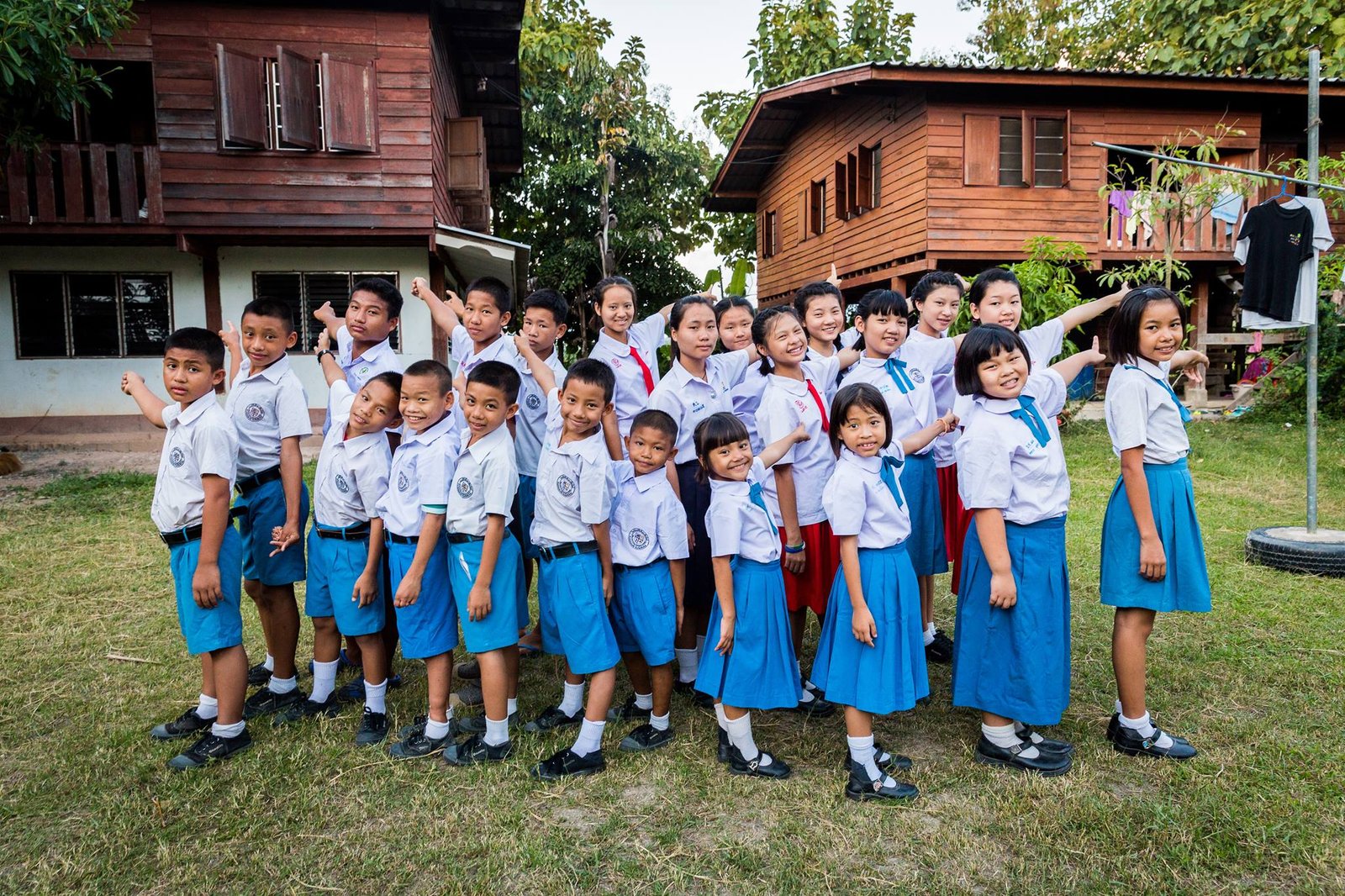
Through a friend from Switzerland, I was introduced to the Youth Charity Foundation Orphanage (YCF) in Doi Saket in northern Thailand. She herself had lived in an orphanage till she was adopted by a German family. She was involved with YCF because she wanted to help kids get a better life, like she had been given. To understand more about YCF, please visit the website.
YCF isn’t a typical orphanage in the western sense. Instead of just taking in children without parents, it also has children whose families cannot afford to feed them, provide education or essentials, giving them a loving home and a real chance at a better future. They live, learn and grow under the care of the foundation. They have access to education, life skills, and values that prepare them for life beyond the foundation’s walls.
Life at YCF: Making Every Single Day Count
YCF was founded in 1996 with a mission to nurture children affected by poverty, broken families, substance issues or limited access to education, YCF operates several homes, including House of Hope and House of Grace, where children and young adults live and are enrolled in local schools that provide education.
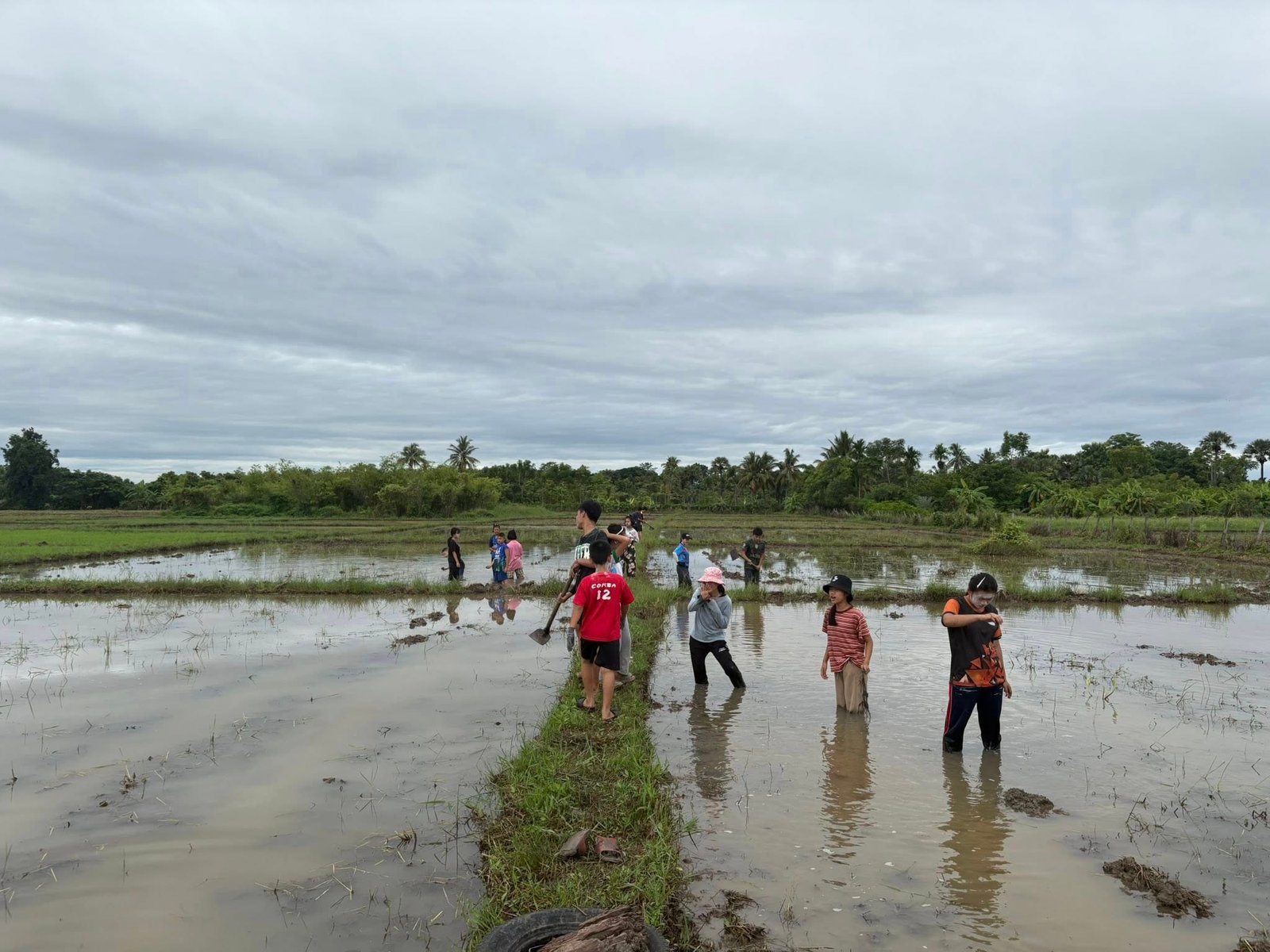
Beyond books and classroom time, YCF places a big emphasis on practical skills. At YCF there is a pig farm, they plant rice and vegetables, and get eggs from their own chickens. This gives the children an appreciation of how and where food comes from. This is Thailand and living in the countryside you need to learn how to grow your own food. Life skills in south east Asia are vastly different from those in the western world.
The children at YCF are aged anything from toddler to their 20’s. Khun Tassnee, the founder, regards students as extended family, and some stay on well into their 20s, or until they are old enough to help their impoverished family back home. The ones who stay and finish secondary school have the option of going to Chiang Rai to university. There they live in dorms and come home to YCF during the weekends and holidays.
Volunteering
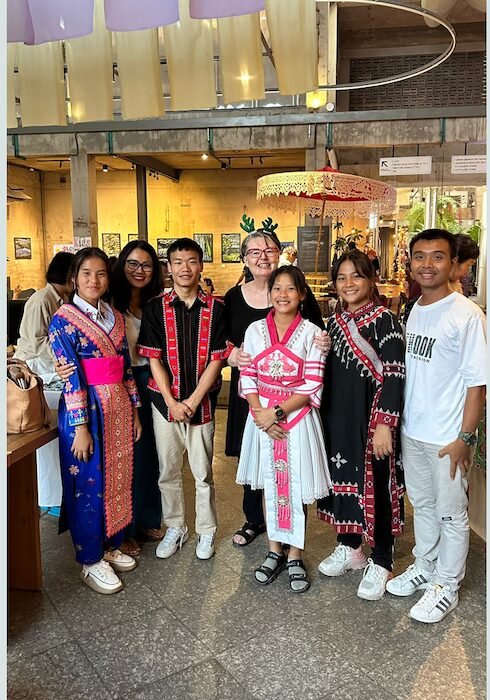
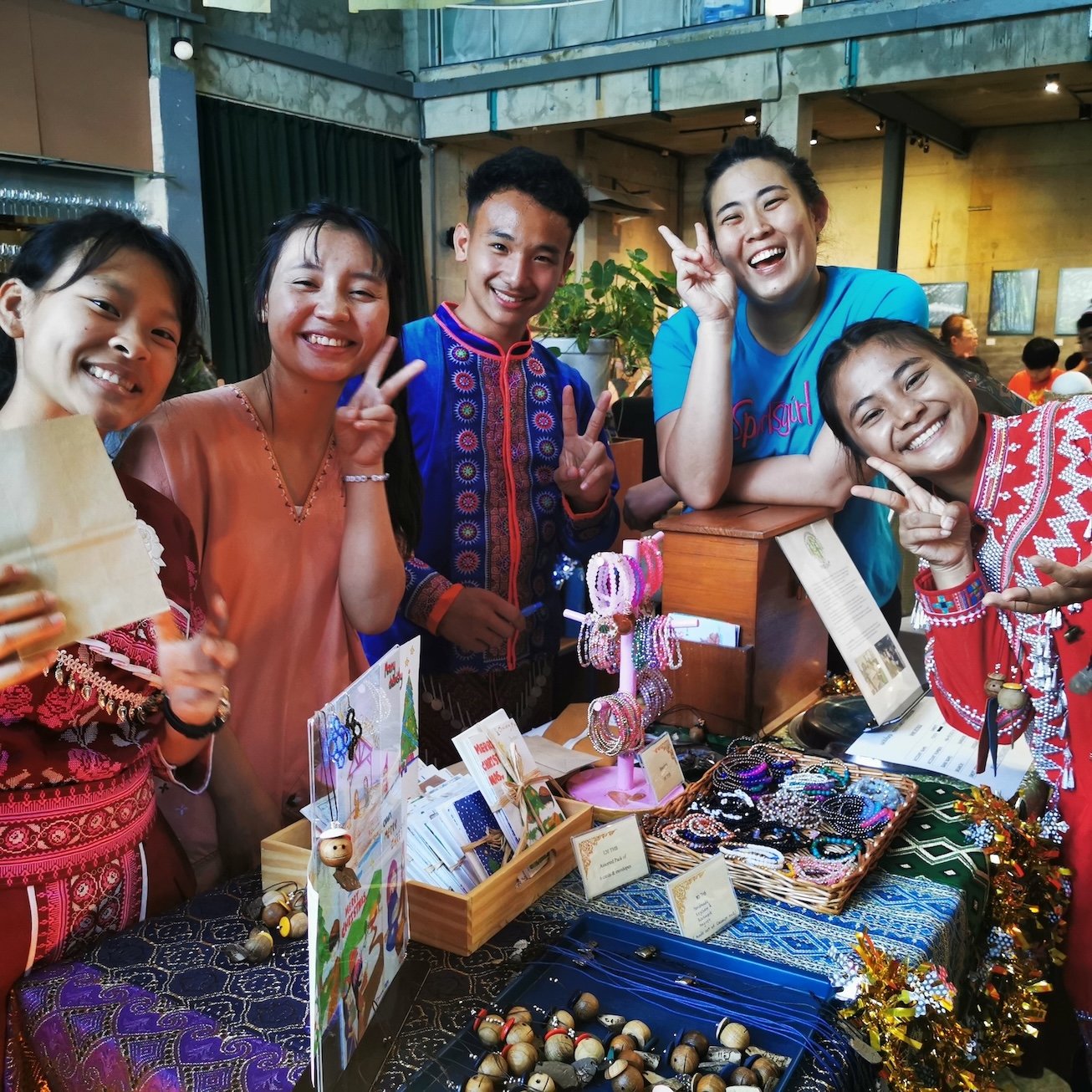
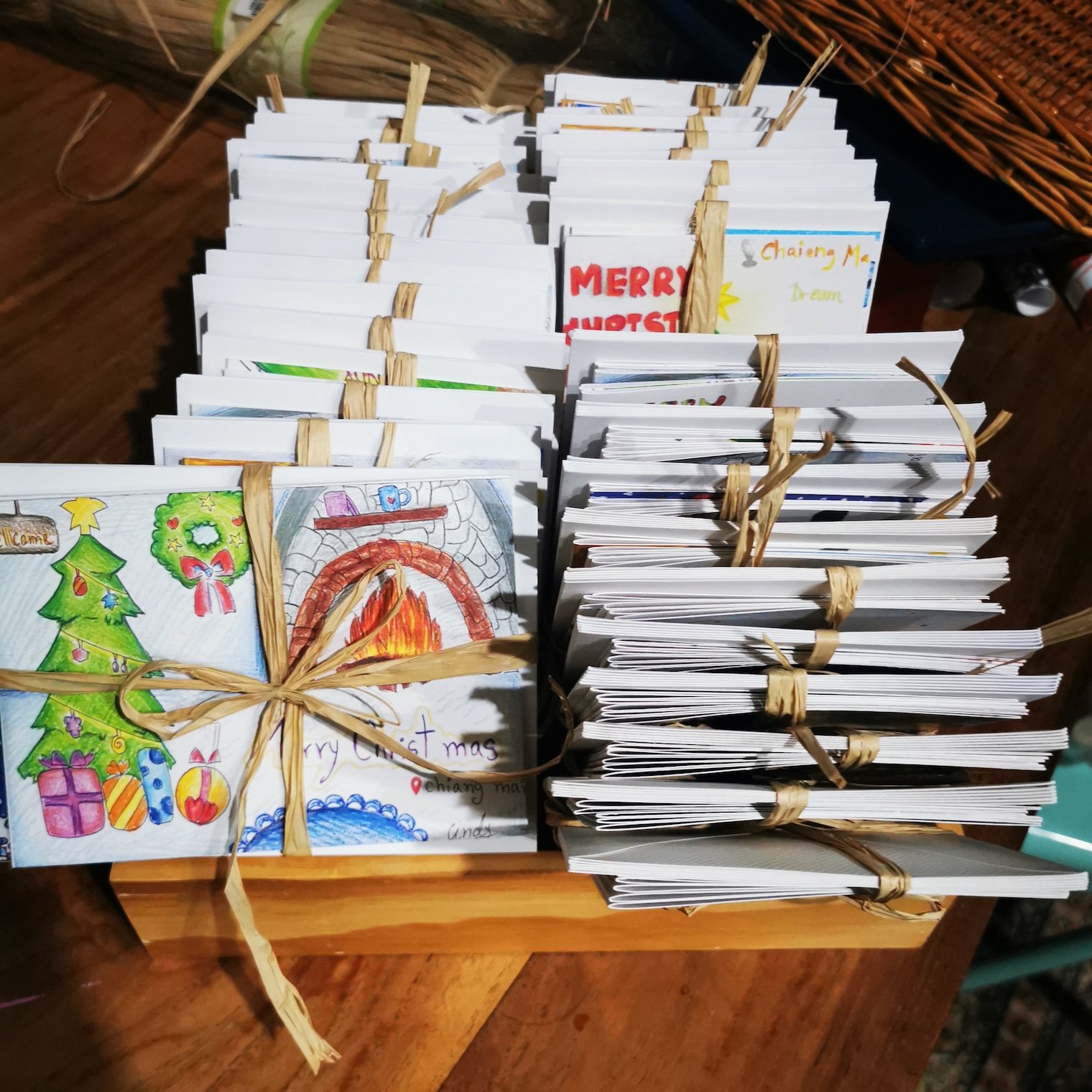
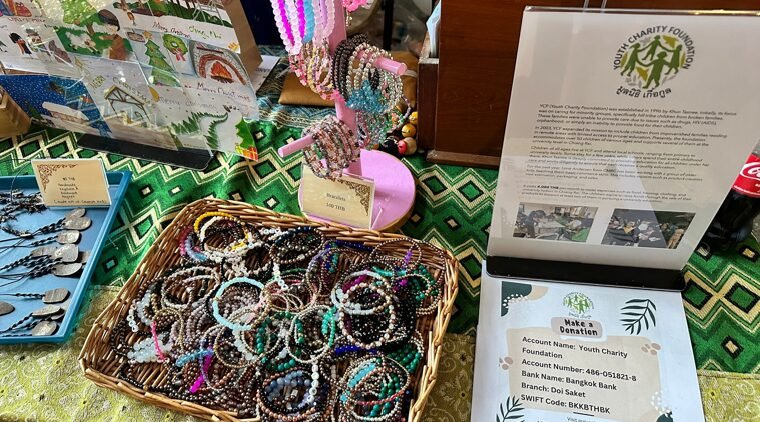
I go to visit them and help them with speaking English. They learn English at school but have little opportunity for practical application. So, spending a couple of hours with me means they have to speak and practise their English. I have taught them how to plan making products they can sell, and understand how they can make a profit. They all have various talents; some of them are really good at drawing so one year they designed Christmas cards, others coloured them and wrote Christmas messages. A group of them joined me to sell their products at a Christmas Fair I host every year in the Wualai silver district of Chiang Mai.
That first year the kids arrived shy and unsure, clutching boxes of Christmas cards, handmade bracelets, bookmarks, and raffle tickets they had a role in pricing and producing. What began with nervous glances soon turned into confidence. A couple of Thai baht exchanged hands, and those early wins lit something in them. Curiosity became confidence, and confidence turned into conversations with visitors from around Thailand and the world.
The children and I are working on a book about a pig called Moo Moo who falls in love with Laila, a lady pig who lives on the farm next door. The kids are in stiches when we talk about the escapades of Moo Moo and his love. They have drawn some images to be used in the book and are creating more so we have a full story to print. Then they get to sell the book at markets and fairs in and around Chiang Mai.
I am energised by all the kids there and their sheer enthusiasm for life.
For another example of community support, see our article on the trek along the death march route on Sandakan. And for an account of the resilience of simple people in difficult circumstances, see the article on microbusinesses in Rajasthan.
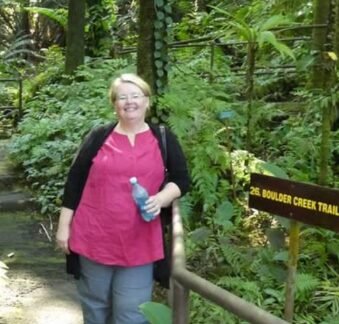
I have spent my professional life helping companies build solid, workable businesses, latterly in Thailand and the wider ASEAN region. My background is in Financial Services and FinTech, where I have led teams across continents, invested in startups, and advised governments on sustainable waste management. These days I work closely with founders and investors who want clear, practical guidance on how to grow in this part of the world.
But the truth is that my story began long before my career. I grew up all over Asia, Africa and Europe, following my father’s United Nations postings to places most people never get to see. Those early years shaped everything. The smell of markets, the heat rising from dusty roads, the sound of unfamiliar languages, the way people welcomed us into their homes. These memories are woven into who I am.
In the mid-1970s, long before smartphones and GPS, two friends and I packed ourselves into an Opel station wagon and set off overland from Scandinavia to Nepal. We spent eight months on the Pan Asian Highway, crossing borders, deserts and mountain passes, sharing meals with strangers and waking up in places we had only ever read about. It was the kind of journey that stays with you for life. It taught me resourcefulness, patience, curiosity and a deep respect for the many ways people create home in the harshest and most beautiful landscapes.
I have continued my wanderings. I have always preferred the countryside to the tourist spots. I tend to find myself in places where life happens quietly, away from the crowds. I’ve spent time with Bedouins in Afghanistan before the Russian invasion, crossed the Okavango Delta, boated along the Limpopo and the Casamance, wandered the Golden Triangle, and stood on the steppes of Mongolia and the pampas of Latin America. I have returned to villages from my childhood and reconnected with people I had not seen for decades. And I have made many new friends along the way.
Dusty Boots is a great place to share my stories, memories and small moments that have stayed with me.
I absolutely loved this feel-good story about turning kids’ lives around and enhancing their opportunities. Someday I’d like to volunteer to teach English there. (I’m a qualified 16-year TESOL teacher.)
Well written, Lone!