A few years back I took a trip down memory lane to Beramara on the dusty plains of northwest Bangladesh on the Indian border.
I lived there as a child and have fond memories of the house, the lake and the surrounding villages. This was back in the early 1960s. Some years ago, I took a trip back to visit my old home.
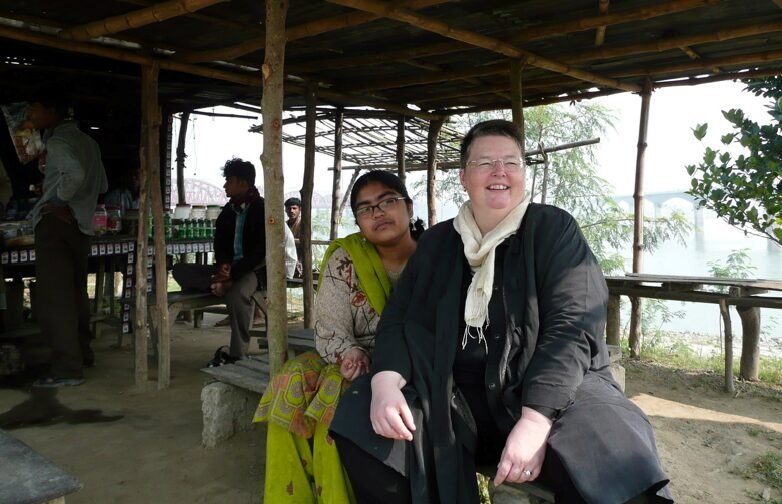
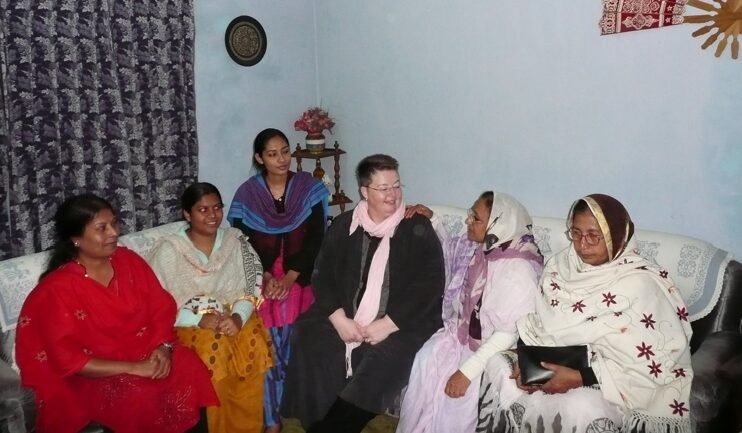
At the time I was working with a client in Dhaka. Saiful, his wife Rana and their two daughters joined me on my journey to discover what had happened to the town and the people of my childhood.
This story is part of our Borderlands & Crossings series. Read more here.
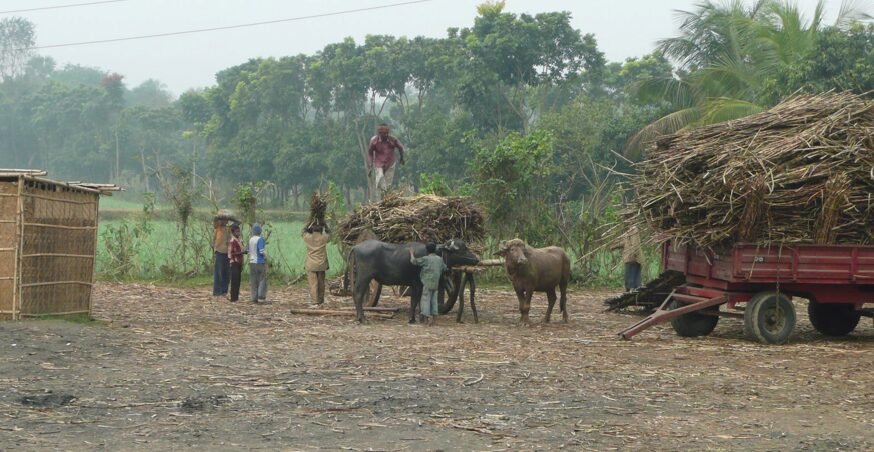
Bangladeshi people are renowned for their hospitality and everywhere we went we were welcomed. My trip back to Beramara in Kusthia district was a wonderful rediscovery of my time there. Things had changed and yet not much had in fact changed.
Dhaka is a huge city with a level of traffic chaos you cannot imagine. It took a couple of hours to get out of the city proper. But once you leave the city the countryside is simply wonderful.
Most cars and trucks in Bangladesh have been converted to LPG. The practice when filling up at a petrol station is for all passengers to get out of the car and stand a distance away. Not confidence inducing, but no one I asked could tell me they had ever seen or heard of a car exploding. It did give us an opportunity to stretch our legs on the long journey towards Beramara.
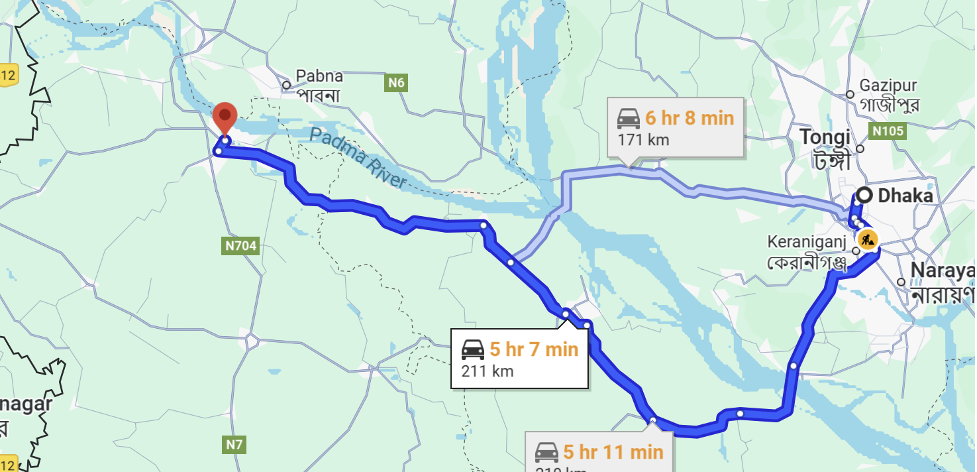
Google Maps tells you it takes five hours to get from Dhaka to Kusthia, but this is very misleading. It took us two days to travel there. The roads are good, but they are not superhighways. You share the road with bullock carts, rickshaws, forty year old overfilled buses, tractors and the wonderfully coloured trucks of Bangladesh.
We stopped halfway at a small wildlife resort where deer roamed freely in the gardens. Everywhere you go in the countryside there are flowers of all kinds. The two young girls went on a discovery tour as they did not get to see such abundance in Dhaka. The food in Bangladesh is wonderful, they make the best curries and I got the chance to rediscover the simple but delicious country food on this trip.
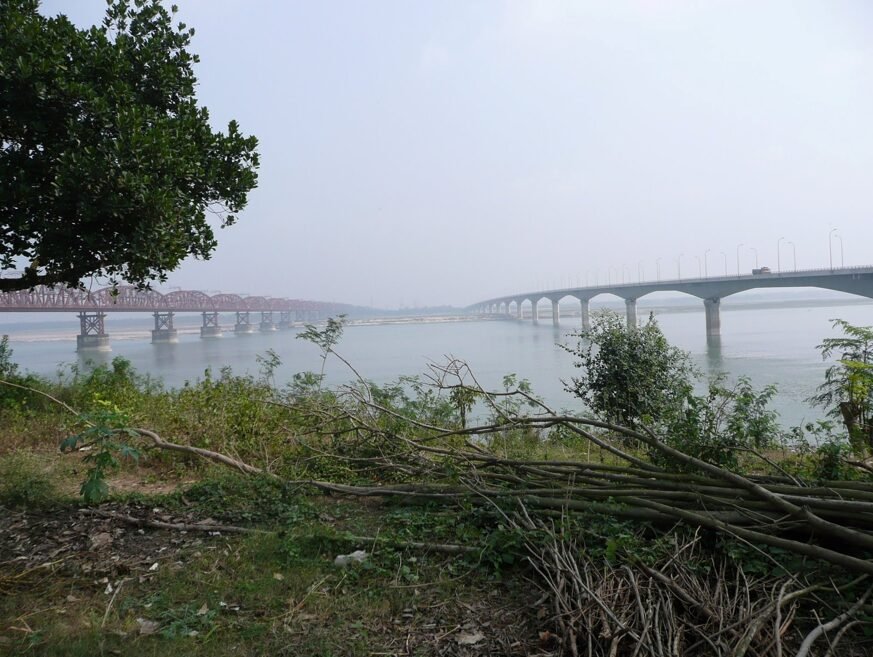
We finally reached Beramara, which is a small town outside Kusthia. My father worked in Kusthia district on a UN funded irrigation and electricity project on the Padma River, a tributary of the Brahmaputra. We were there for three years in the early 1960s. Even there we were impacted by world events – I remember hearing the news of the Kennedy assassination on the BBC World Service. Then India declared war on Pakistan (remember this was before partition and Bangladesh became a nation). We lived close to the Harding bridge which India bombed during the war. But now it was time to go and see what the old home was like today.
Time had simply stood still. Nothing had changed. The same houses, no new ones. The trees more solid with age. We checked into the government resthouse at the beginning of the lane. Saiful told them we were there on official/semi-official business, and I suppose that was acceptable as he was the son of the President of Bangladesh.
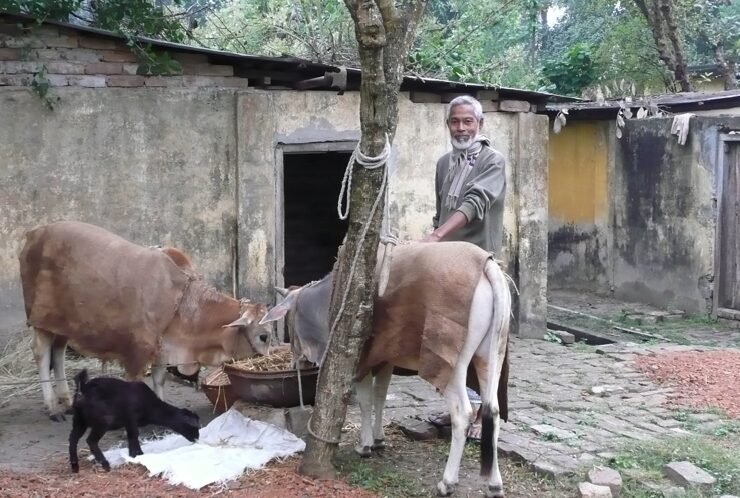
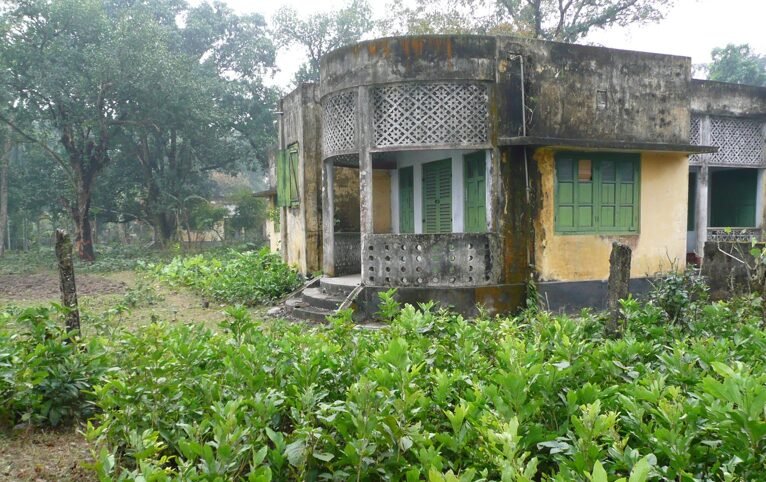
We then took a walk down the road to see what had happened to the people and the houses. This was more than forty years later, but it all came back to me. The houses were overgrown and blackened by humidity. Halfway down we came upon an older gentleman with his cow. A Bangladeshi family and a white woman walking down your street is not the norm up country in Bangladesh, so a lively conversation followed. He had lived there his entire life and remembered us, which houses we had lived in on the street. He remembered all the foreign families who had lived there. He knew our names and told stories of us to Saiful and Rana.
We walked on and went to see the last house we lived in. A couple of students from an agricultural university lived there now. They were on a project and working with the fisheries department in restocking the lake at the bottom of our garden.
We went back to the resthouse and had a meal prepared by the resident cook. I had fond memories of having lunch there in the old days. Back then they made the most wonderful banana fritters. The cook came and talked about his many years there and how he had designed a new kitchen. Would I like to see it? I am not sure when he put in the new kitchen, as it must have been a while back because I could not see any difference to the old kitchen that was still there.
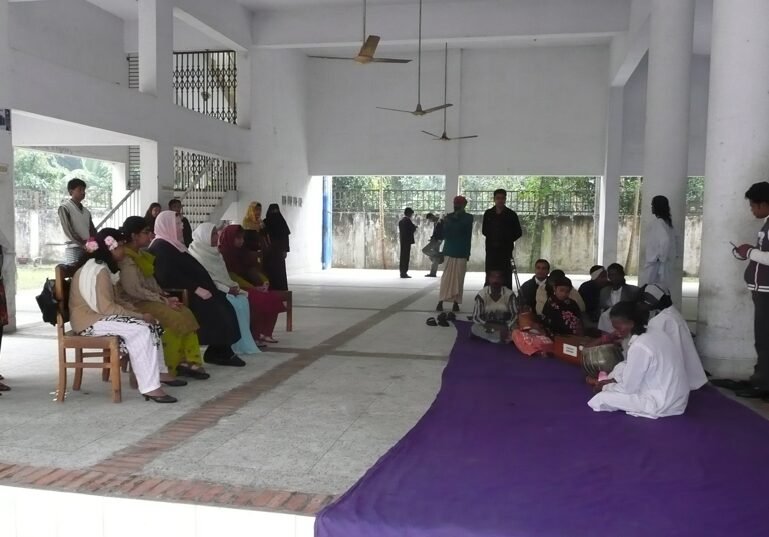
In the meantime, news had spread that I was there and a small boy came to invite us to visit the village doctor. It turned out he had been our family doctor in the 60’s. The whole family was delighted to see us. The wife told endless stories from our time there. She called all her family to come and visit. I remembered some of them and others had been born after we left. One of them was a journalist and recognised Saiful, so we had to go to Kusthia town and meet elders of the council who put on a show for us.
That trip was not the last. I went back a couple of times. With no social media one tended to lose contact with people over the years. But now that it exists, I am connected to many of the places I lived in and the people there.
My rediscovered Bangladeshi family are doing well and hoping I will come back for another visit soon.
If you enjoyed this story you might also like Cashew Farming in Cambodia: Lives Shaped by Land and History.
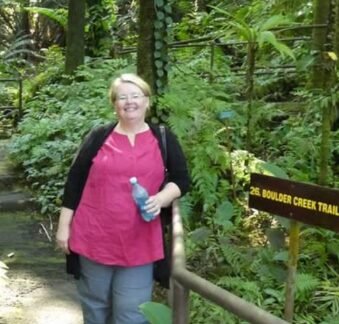
I have spent my professional life helping companies build solid, workable businesses, latterly in Thailand and the wider ASEAN region. My background is in Financial Services and FinTech, where I have led teams across continents, invested in startups, and advised governments on sustainable waste management. These days I work closely with founders and investors who want clear, practical guidance on how to grow in this part of the world.
But the truth is that my story began long before my career. I grew up all over Asia, Africa and Europe, following my father’s United Nations postings to places most people never get to see. Those early years shaped everything. The smell of markets, the heat rising from dusty roads, the sound of unfamiliar languages, the way people welcomed us into their homes. These memories are woven into who I am.
In the mid-1970s, long before smartphones and GPS, two friends and I packed ourselves into an Opel station wagon and set off overland from Scandinavia to Nepal. We spent eight months on the Pan Asian Highway, crossing borders, deserts and mountain passes, sharing meals with strangers and waking up in places we had only ever read about. It was the kind of journey that stays with you for life. It taught me resourcefulness, patience, curiosity and a deep respect for the many ways people create home in the harshest and most beautiful landscapes.
I have continued my wanderings. I have always preferred the countryside to the tourist spots. I tend to find myself in places where life happens quietly, away from the crowds. I’ve spent time with Bedouins in Afghanistan before the Russian invasion, crossed the Okavango Delta, boated along the Limpopo and the Casamance, wandered the Golden Triangle, and stood on the steppes of Mongolia and the pampas of Latin America. I have returned to villages from my childhood and reconnected with people I had not seen for decades. And I have made many new friends along the way.
Dusty Boots is a great place to share my stories, memories and small moments that have stayed with me.