
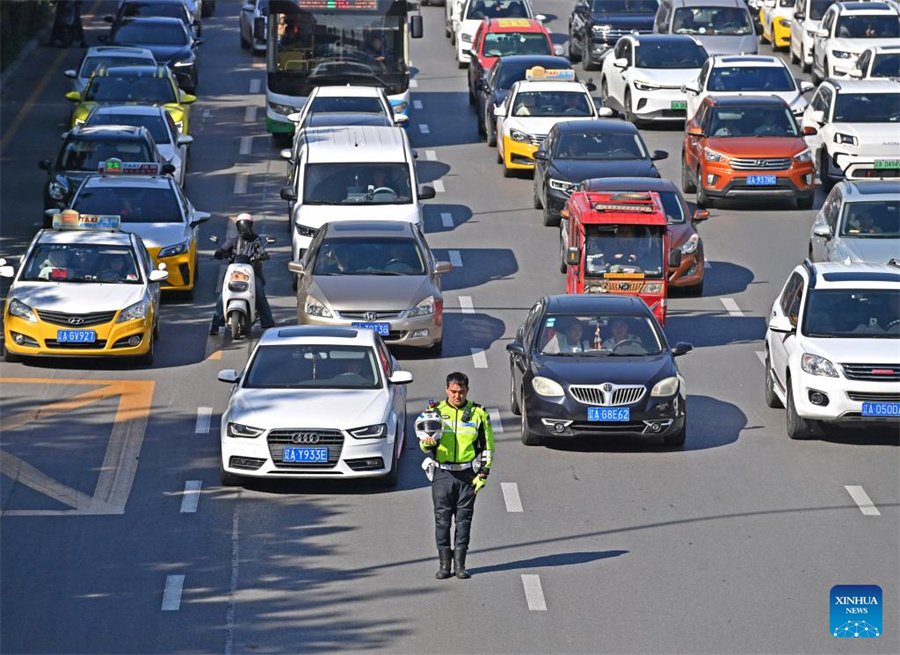
Visitors to modern Shanghai are surprised at how quiet the place has become. The government imposes heavy taxes on petrol engine vehicles. Electric vehicles are the norm and silence pervades the city. Embracing this urban calm, I smile at the novelty of listening to our own footsteps closing in on a kiosk in an outer Shanghai suburban park for that first morning coffee.
The calm is shattered by the blaring of sirens from all directions. Hands covering my ears I shout to my companion, who is a native of the city, ‘What’s happening? Is there an emergency? Is it a drill or a test?’ A response comes with a look and tone normally reserved by history teachers for kids who have overlooked iconic dates, ‘It is 18 September.’ Sensing my ignorance, my companion explains that 18 September 1931 was the date of the Mukden Incident.
This story is part of our Travel Writing & Reflection series. Read more here.
The Mukden Incident
On 18 September 1931 there was an explosion that damaged a Japanese-owned railroad at Mukden, near Shenyang in Manchuria. The most widely held theory is that Japanese Army officers planned the blast as a ‘false flag’ operation. The Japanese then blamed Chinese nationalists for the incident and used the opportunity to retaliate, leading to the Japanese invasion of Manchuria and 15 years of occupation and warfare.
Significance of the Sirens
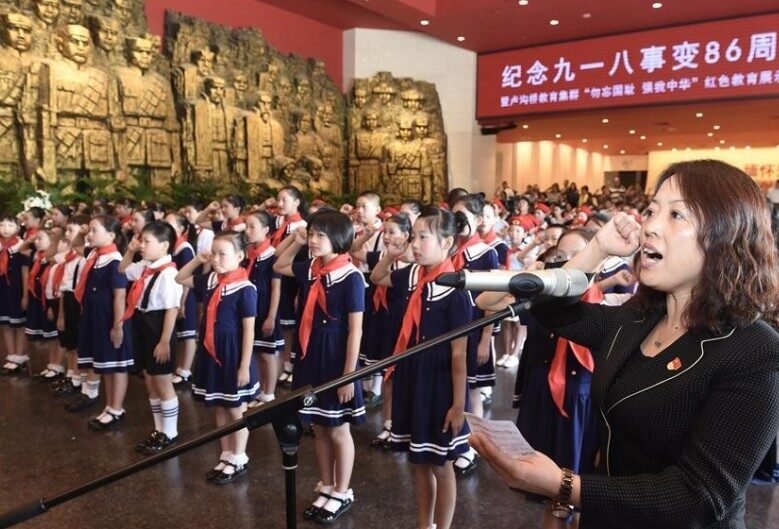
So the sirens that interrupted my tranquil morning commemorate the start of the war against Japan. Beyond the park I was amazed to see the busy street life turn to still life as vehicles stopped and people paused to reflect on suffering, sacrifice and national resilience. Throughout that day I observed evidence of conscious action to maintain the Chinese national memory of the terrible events that started almost a century ago. I saw school children at small (by China standards) ceremonies.
National Memory
China keeps these memories alive. Each December, there is a similar commemoration in Nanjing where air-raid sirens sound to commence a minute of silence to honour victims of the 1937 massacre.
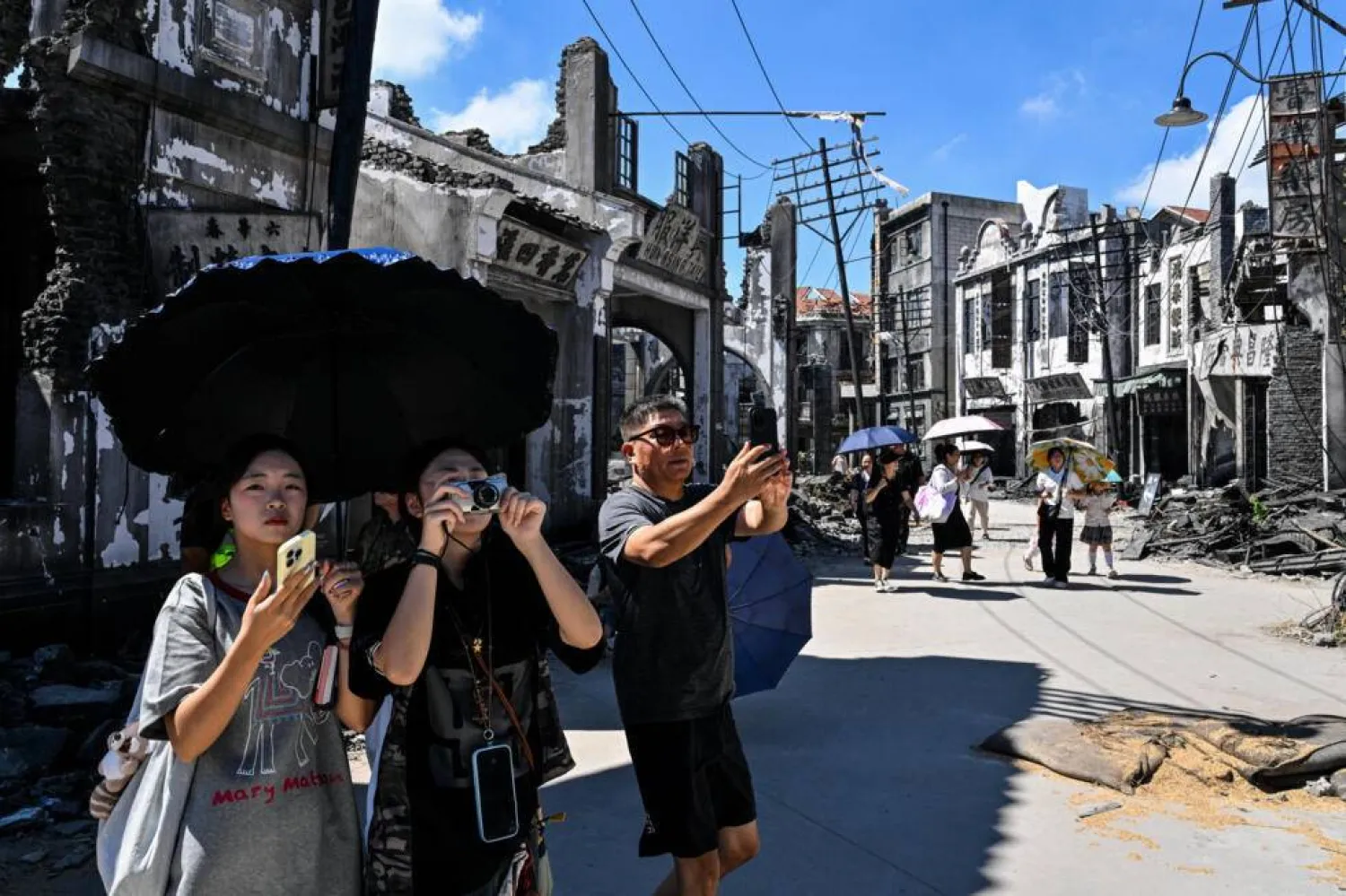
A blockbuster 2025 film Dead to Rights was widely advertised with a caption on the poster ‘No Chinese person will ever forget.’ The film centres around a group of photographers in 1937 Nanjing forced by the Japanese to develop souvenir photos of gruesome subjects. The movie set, in a suburban Shanghai park, is now open to the public – a quasi-horrific memorial theme park that includes fake rubble accompanied by the sounds of bombs and machine gun fire. In a most Chinese manner, the maintenance of national memory seamlessly blends with government propaganda and a most profitable venture. Every day enthusiastic fans flock there by the thousands.
I was fortunate to be in China on 18 September. In future I too intend to pause and reflect on this day, the same as I do for other significant dates such as Anzac Day (25 April), Remembrance Day (11 November) and others.
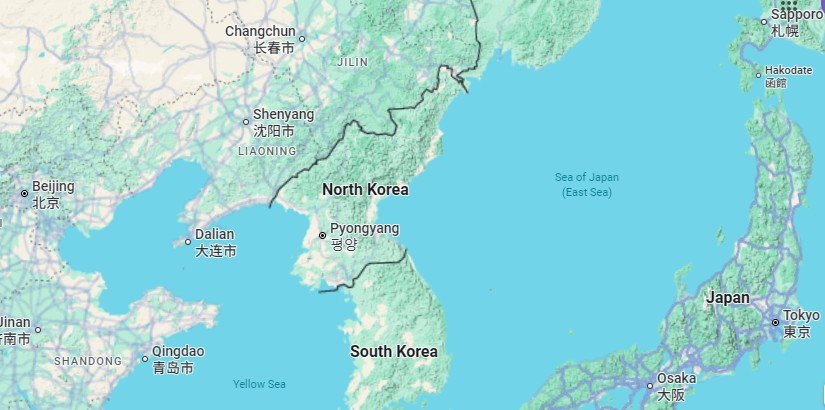
Map showing the location of Shenyang, site of the Mukden incident which is commemmorated across the country on 18 September each year.

Muz lives in Sydney. When not conducting investigations he divides his time between travel adventures, backgammon, family and luring dumb fish to their demise.
[…] some other cultural insights, you might also like to read Muz’s observations of remembrance rituals in China, or Neale’s encounters with cultural oddities in South […]