
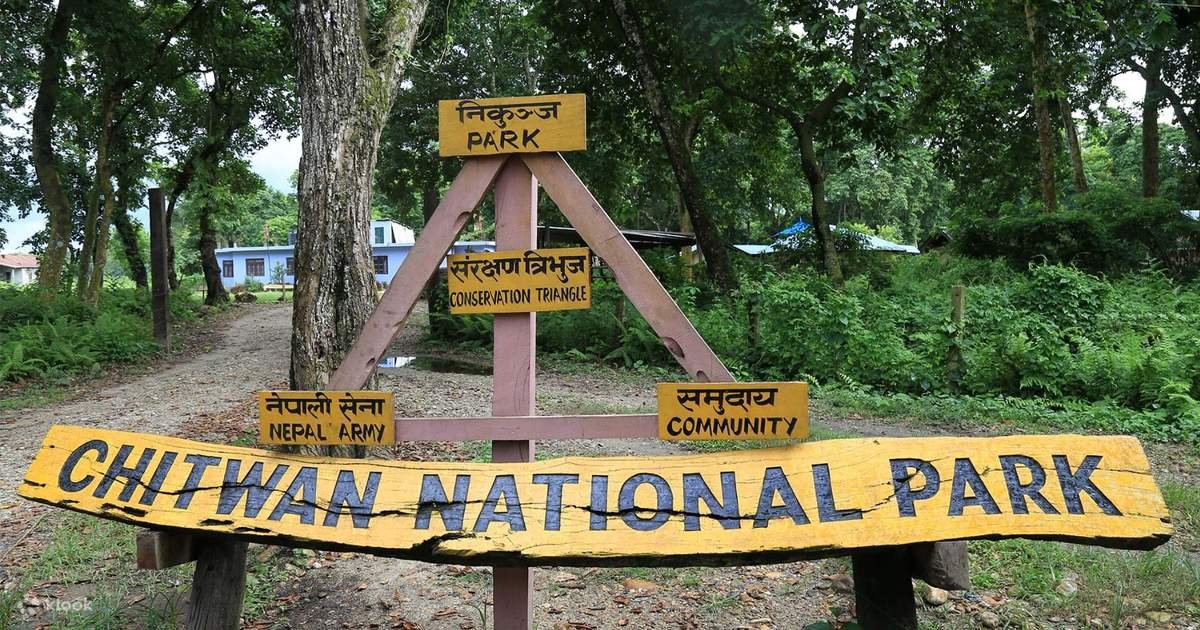
After a Himalayan trek I began the overland journey from Kathmandu to Madras to visit my brother, who had been living in India for a few years. Only about 2,400km on dusty buses and rickety trains. With such distance, a 185 km detour to Chitwan National Park seemed a trifle. The park is home to elephants, the one-horned rhinoceros, crocodiles, Bengal tigers and more friendly animals. I looked forward to a guided tour.
This story is part of our Remote Landscapes series. Read more here.
No Entry
A taxi took me to the outskirts of the park but would go no further. The King – Nepal still had a king at that time – had decided to have a day shooting the wildlife. Maybe someone should shoot him, I mumbled to myself. A few years later that’s what happened in a patricide matricide regicide homicide combo when his son shot the King, the Queen and seven relatives. Inconveniently, that day was still a few years away. On the day I went to Chitwan the King remained very much alive and on the other end of the firearm.
Stuck for the day I took matters into my own feet. Be damned! I have come too far. I came to see the animals and I will, even if it kills me. I began walking. The first sighting was a water buffalo. Closer inspection showed it to be attached to a wooden cart complete with wooden wheels and without suspension. The driver was the original wooden Indian. He said nothing and looked neither left nor right. I took this to be an invitation and hoisted my pack and myself aboard alongside an equally stoic dog (guess it was a family trait), some precious manure and the pleasure of every bump and jolt.
Into the Jungle
Nearing the river, I rubbed my bruises one last time and exchanged a one-way farewell with my driver. To the north I beheld elephants cavorting in the river! More than worth the price of my free park entry. To the south across the grassland and through the heat shimmer were specks – more elephants. But the faint sound of gunshots assured me these were more domesticated mastodons on royal duty.
The river was shallow with no crocs in sight so across I went and into the jungle. The initial relief of escaping the heat and seeing wild ground fowl soon gave way to foreboding. It had become quiet – too quiet. The comforting bird squawks and chatter of monkeys had paused. The tiger version of the Jaws music thrummed in my head.
Mes Sauveurs
Suddenly the silence was shattered by the sound of branches breaking and animals screaming. Relieved that I was yet to lose any body parts to a tiger I made my first wise decision of the day and proceeded toward the noise.
The screams were in fact monkeys annoyed by rock-throwing kids, presumably trying to improve their cricket skills. For a modest financial incentive, they agreed to postpone cricket practice and guide me to another area of the jungle to see abundant wildlife with less chance of meeting a pesky tiger.
The jungle is safe until it is not
A jolly hour ensued. More wild fowl, colourful birds, deer and monkeys. Then once again it went quiet. I looked around and the boys had disappeared. A slow but heavy crunching approached. Then a hiss from above. I was now wondering whether my fate was to be eaten by a tiger, or maybe a python. Neither – the hissing was from the village boys, urgently beckoning to me from high in a tree.
Ignoring the scratches from the fastest climb of my life, I saw it. A rhino without a care ambled beneath our tree, stopped, likely chuckled and passed to wherever rhinos go on an afternoon stroll.
Enough is almost enough
Feeling I had pushed my luck quite far enough for one day, I requested guidance to a safer place. The boys were disappointed I had not experienced all the attractions. I declined offers to get a close-up view of the crocodiles or try my luck throwing rocks at the monkeys. But the little entrepreneurs were not finished with me yet. Back at the village they introduced an ‘uncle’ who owned an elephant.
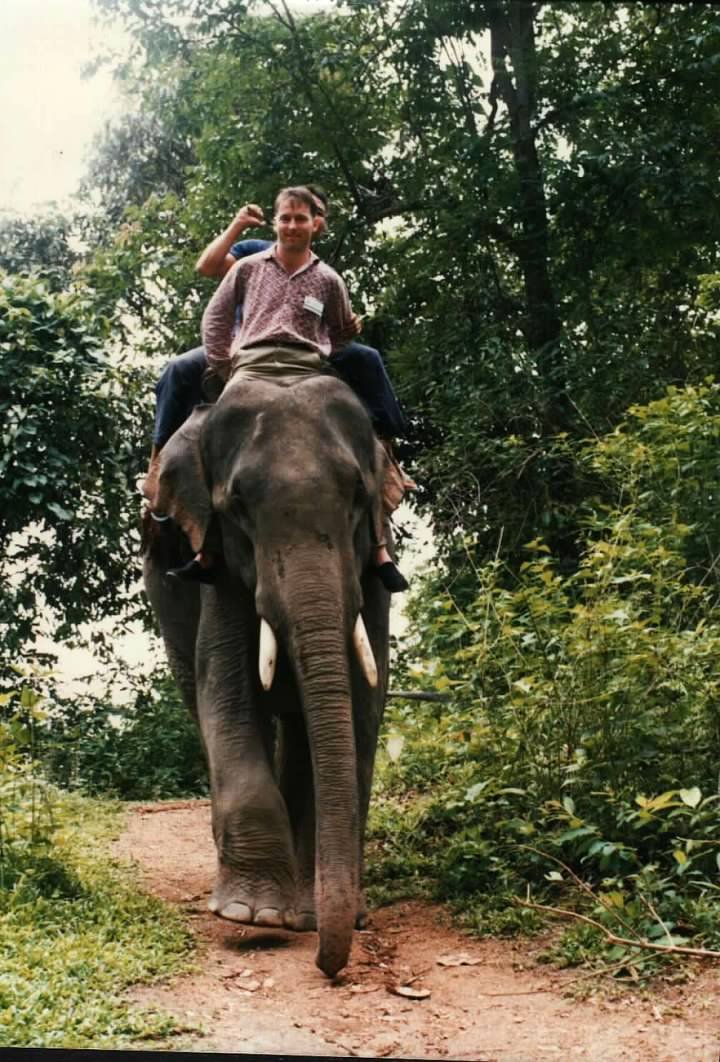
For another financial exchange, I returned to civilisation. For the first time that day I felt safe, like a king, high on the back of an elephant.

A Quick Visitors Guide to Chitwan National Park
| Best Time to Visit | ||
| Peak/Best | October to March | Pleasant weather (average daily temperature around 25°C/77°F). Best time for clear skies and comfortable travel. |
| Best for Wildlife | Late January to March | The tall grass (elephant grass) is often cut or dries out, improving visibility for wildlife spotting. |
| Hot Season | April to May | Very hot and humid (temperatures can exceed 40°C/104°F). Wildlife is often seen gathering at water holes. |
| Monsoon Season | June to September | Heavy rains, high humidity, and rivers swell. Some activities may be restricted, and interior roads can become impassable. |
Getting To Chitwan National Park
- By Air: The fastest way is to fly from Kathmandu or Pokhara to Bharatpur Airport (BHR). The flight is about 20-30 minutes, and the airport is a short drive from Sauraha.
- By Bus: Direct tourist buses run daily from Kathmandu and Pokhara to Sauraha. The journey is scenic and takes approximately 5–7 hours.
- By Private Vehicle: Private cars or jeeps offer a more comfortable and flexible journey, also taking around 5–6 hours from Kathmandu.
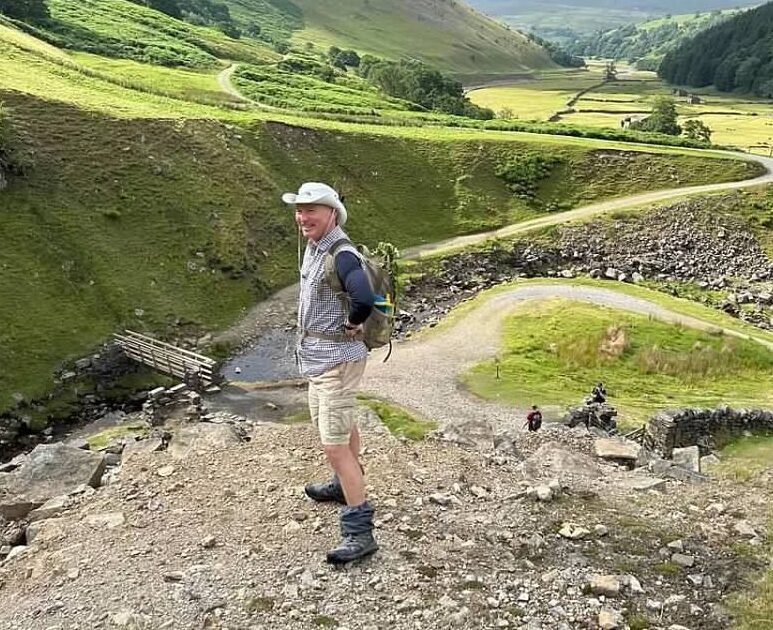
Muz lives in Sydney. When not conducting investigations he divides his time between travel adventures, backgammon, family and luring dumb fish to their demise.