
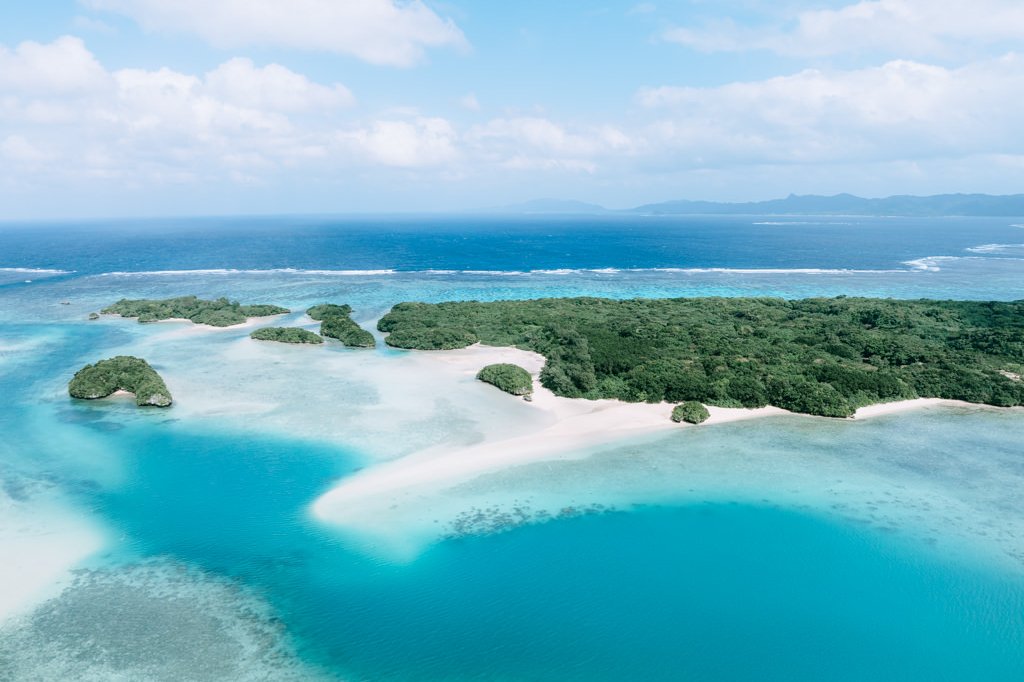
The Okinawa islands are a long archipelago situated between Japan and Taiwan, consisting of 160 subtropical islands with stunning white beaches, coral and abundant marine life. The people live humbly, and school children are polite and mindful of adults on public transport and footpaths (an alien concept in western culture). The people in Okinawa believe that if you sneeze, your soul will escape and be eaten by evil spirits. To prevent this calamity, the local reaction is to say kasuke which translates to ‘eat crap’ – a very un-Japanese response. I think it is more heartfelt than ‘gesundheit’ and should be adopted worldwide.
Okinawa is a little surprise packet with a punch, and not too overrun by tourists – yet. Some of the outer islands such as Ishigaki are well worth a visit also, but still appear to be ill prepared for mass tourism – which can be a good thing.
This story is part of our Travel Writing & Reflection series.
Cuisine
From the culture that introduced the word Kuchisabishii – when you’re not hungry, but you eat because your mouth is ‘lonely’, Okinawa offers many culinary delights to relieve mouth boredom. Suggestions are Okinawa soba noodles, Hirayachi pancakes and sata andagi doughnuts accompanied by Orion beer. Kanpai!
Okinawa World and the Limestone Caves
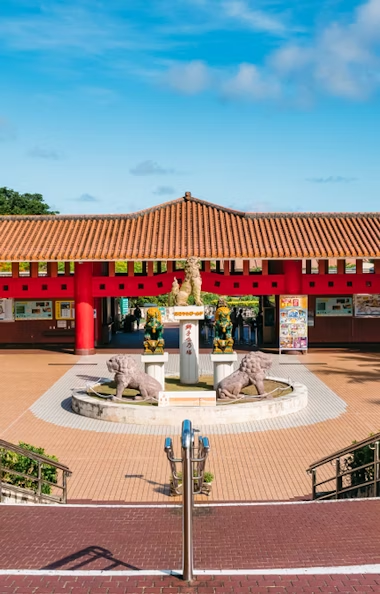
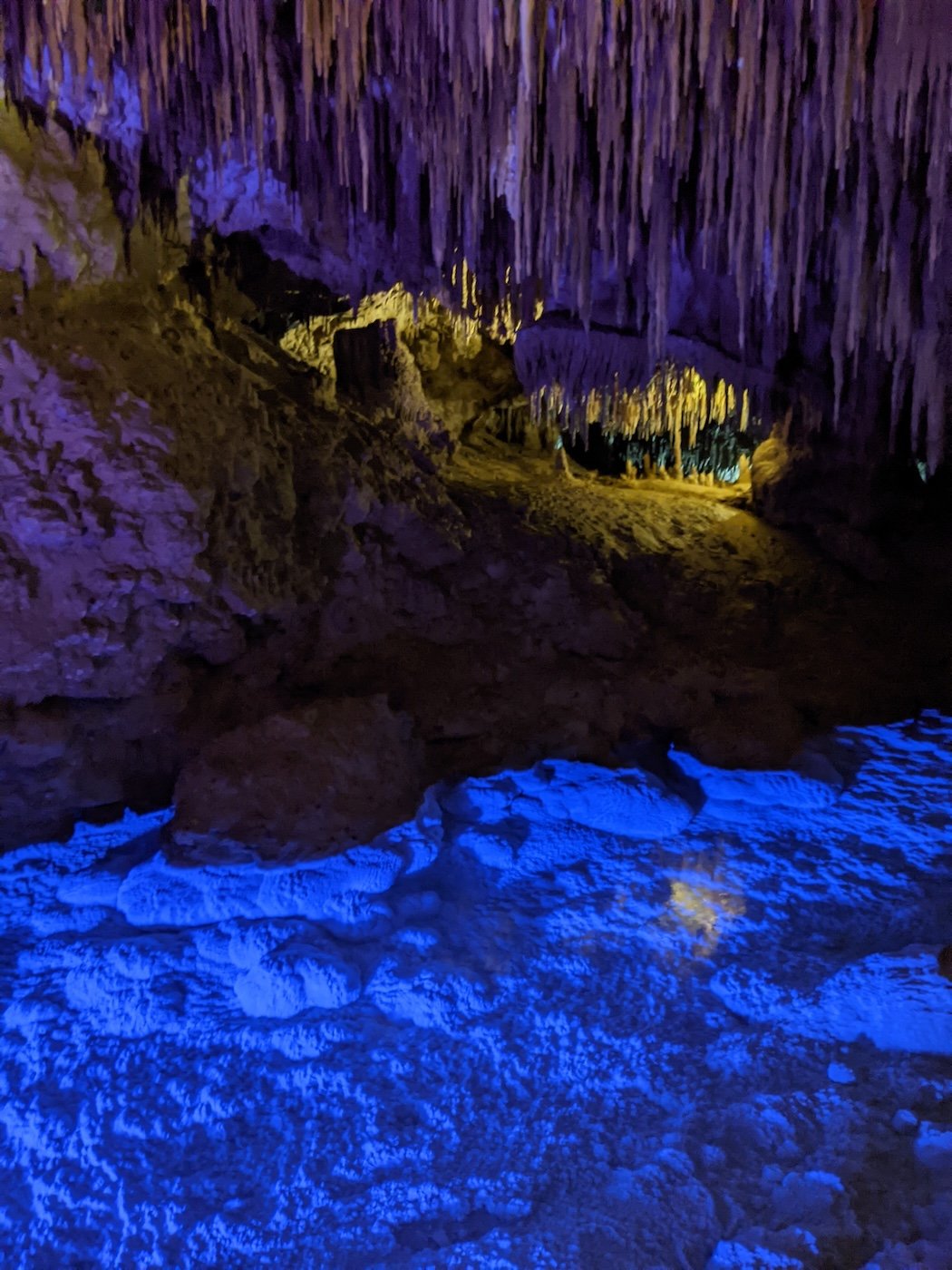
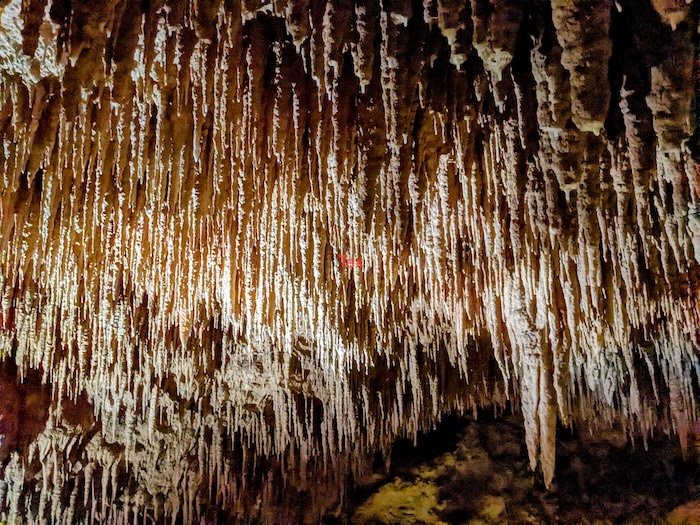
Okinawa is home to over 600 limestone caverns. The 300,000 year old Gyokusendo limestone caves are located in Okinawa World, 25 minutes by taxi from Naha. It’s best to go early as there can be a full court press from crowds. The cave stretches about 5km, but just under 1km is set up with a boardwalk for visitors, and is a comfortable 21 degrees all year round. You can explore the world of hundreds of thousands of stalactite and stalagmite jewels, of all shape and size formations. Water drips gently from the ceiling in some areas in the process of very slowly creating more jewels before your eyes. There is an underground river with small translucent fish, waterfalls, and sand bars. The lighting is soft and colours and hues accentuate and highlight the geology of the cave. It is a rather steep descent via steel steps at the entrance, but relax because the exit is via escalators at the other end of the park.
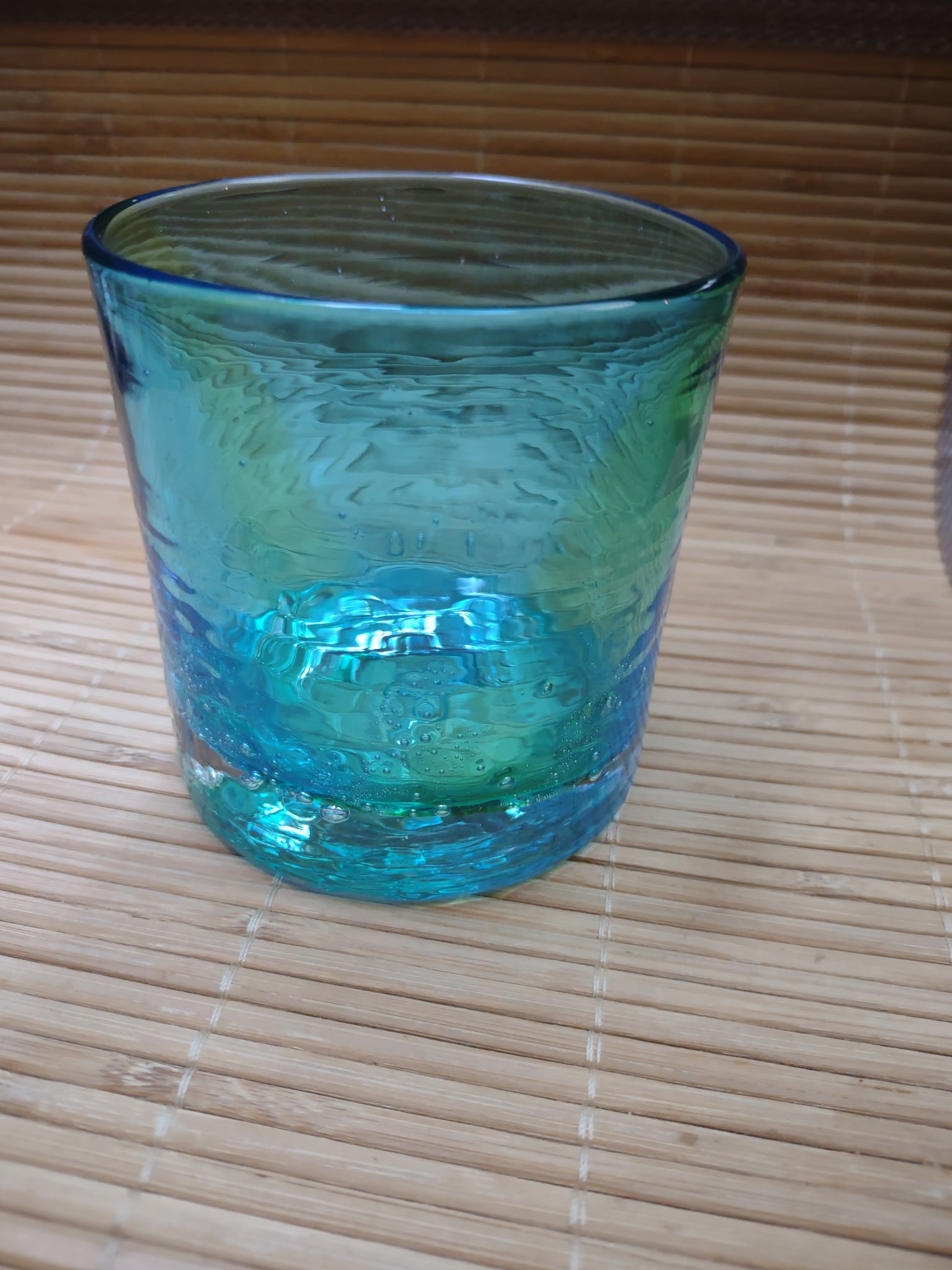
The remainder of Okinawa World is surrounded by an exotic botanical garden, dotted by a few cafes, art, craft, pottery and glass shops. Hand-blown Ryuku glassware is a local speciality. There is also a rather tired looking establishment with a snake show.
In Summary…
Okinawa still continues to contentiously ‘host’ the bastion of US military bases post WW II, and the impact of noise and obtrusive footprint of the strategic regional presence can be felt. But if you can ignore this, Okinawa is far removed from the flashy glitz and sensory overdrive of Tokyo, and exudes a quiet confidence with its own natural beauty.
With the best of intentions, I bid you a fond kasuke if you are fortunate enough to visit Okinawa in the future.
If you are interested in WW2 legacy in east Asia, you might like to read about Allan’s experiences in Sandakan.
Things To Do In Okinawa
1. Junglia (The New North)
Opened in late 2025, this massive theme park in the Yanbaru forest is the hottest ticket in Japan. It features a Dinosaur Safari in a real jungle setting and high-tech flight simulators over the coastline.
2. Okinawa World (Nanjo)
This is a comprehensive cultural park built around Gyokusendo Cave, a 5-kilometer-long limestone marvel. After the cave, watch the Eisa dance performances and explore the ‘Kingdom Village,’ where you can try traditional indigo dyeing.
3. Churaumi Aquarium (Motobu)
Famous for its Kuroshio Sea tank, one of the largest in the world. Watching the whale sharks and manta rays swim against the backdrop of the deep blue is a spiritual experience.
4. Shuri Castle (Naha)
As of early 2026, the main hall’s exterior reconstruction is a sight to behold after the 2019 fire. The “Work-in-Progress” tours offer a unique look at traditional Japanese carpentry that you won’t see once it’s finished.
5. Whale Watching (Kerama Islands)
February is prime time. Humpback whales migrate to these waters to breed. Tours depart from Naha daily; seeing a breach in the “Kerama Blue” water is unforgettable.
6. Cape Manzamo (Onna Village)
The iconic “elephant trunk” rock formation. The new visitor center (opened a few years ago) makes this a great spot for sunset photos and shopping for local Bingata crafts.
7. Taketomi Island (Near Ishigaki)
A 15-minute ferry from Ishigaki transports you back 100 years. There are no cars; you explore via water buffalo cart or bicycle through streets lined with white coral sand and red-tiled roofs.
8. Kokusai-dori (Naha)
It’s touristy, but the Makishi Public Market tucked behind it is where you find the soul of Okinawan food. Try the blue-seal ice cream and fresh Sata Andagi (Okinawan donuts).
9. Himeyuri Peace Museum (Itoman)
A somber but essential visit to understand Okinawa’s WWII history. It tells the story of the student nursing corps and provides deep context for the island’s current political stance.
10. Kabira Bay (Ishigaki)
Often cited as the most beautiful spot in Japan. While the currents are too strong for swimming, the glass-bottom boat tours reveal massive coral gardens and giant clams in crystal-clear water.
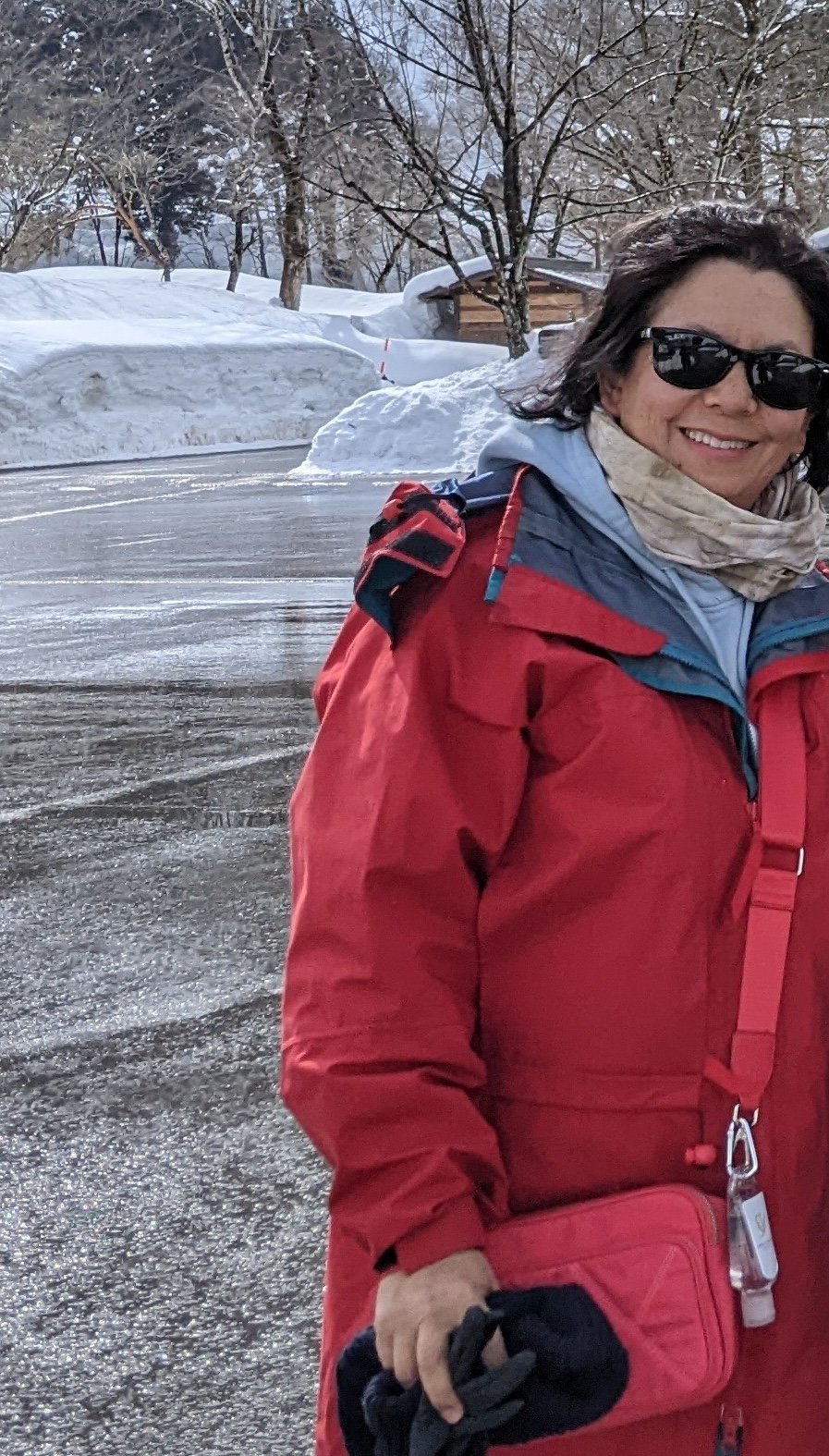
Caroline is ex RAAF with degrees in Education. Travels near and far for golf, and is heading to Vietnam and Italy and surrounding countries in 2026.
Fantastic insight into a little visited locale.
Is Spam still a part of Okinawan cuisine? Did you try any?
Is there any lingering resentment toward the mainland islands for allowing Okinawa to be invaded and needlessly suffer at the end of WW2.
Hi Muz, and thank you for your feedback. Fortunately or unfortunately, Spam is still quite prolific in cuisines where US military have had bases, such as Korea and Vietnam. My Vietnamese students have told me that starving and hungry locals would rummage through the military bins and dump sites to retrieve Spam and mac and cheese etc. to cobble food together with their own spices. And yes I’ve tried the rather delicious Vietnamese Spam concoction.
I also think the Japanese government has tried to lever out the US presence for many years but to no avail. There is also a higher concentration of crimes in Okinawa committed by US military personnel.