
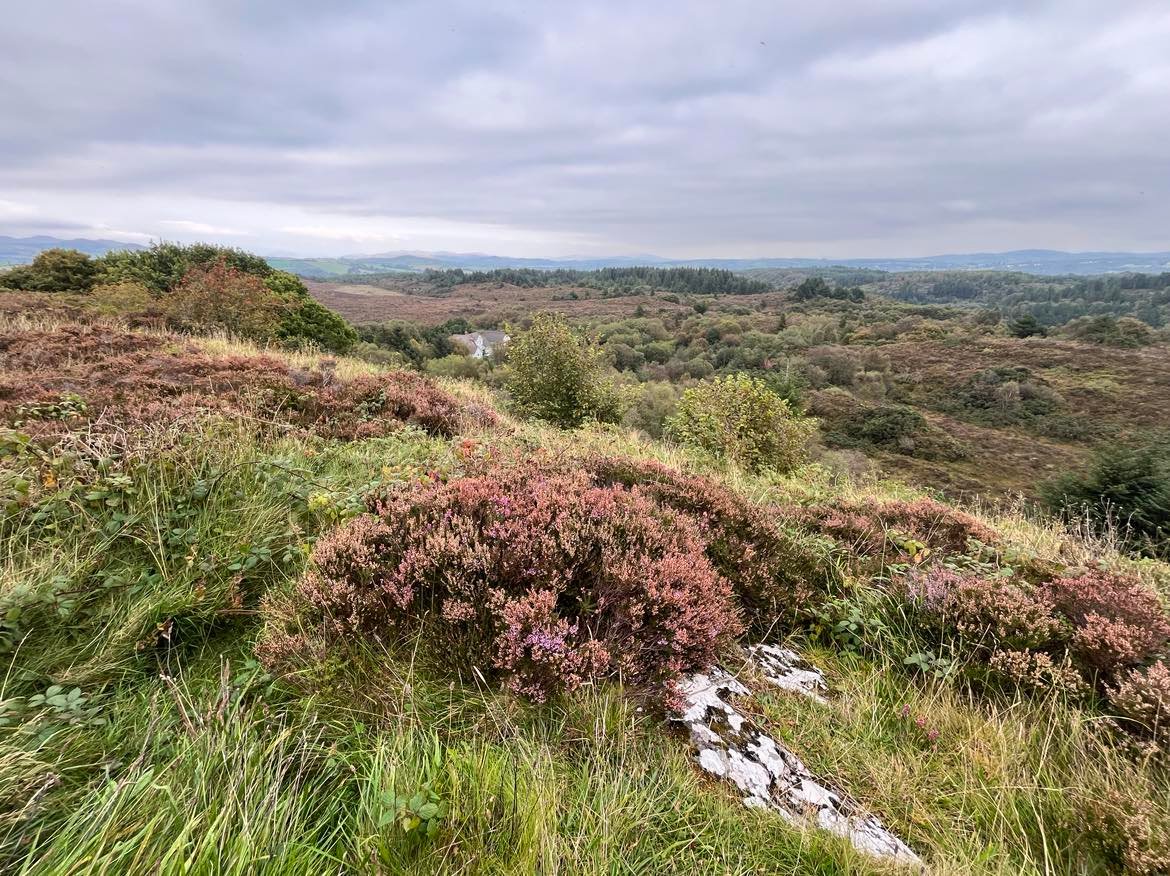
County Donegal, in the far northwest of the Republic of Ireland, is a place that calls to your soul. It has a magical feel about it. The golden sunlight, the swaying heather and the windswept desolation feel authentic, less touristy, genuine.
When I was in County Donegal last year, I met some local people and got on very well with them. They decided to take me around for a day and show me some places that were off the beaten track. These attractions don’t appear in any guidebook of Ireland.
This story is part of our Travel Writing & Reflection series. Read more here.
I’m going to share the secrets here.
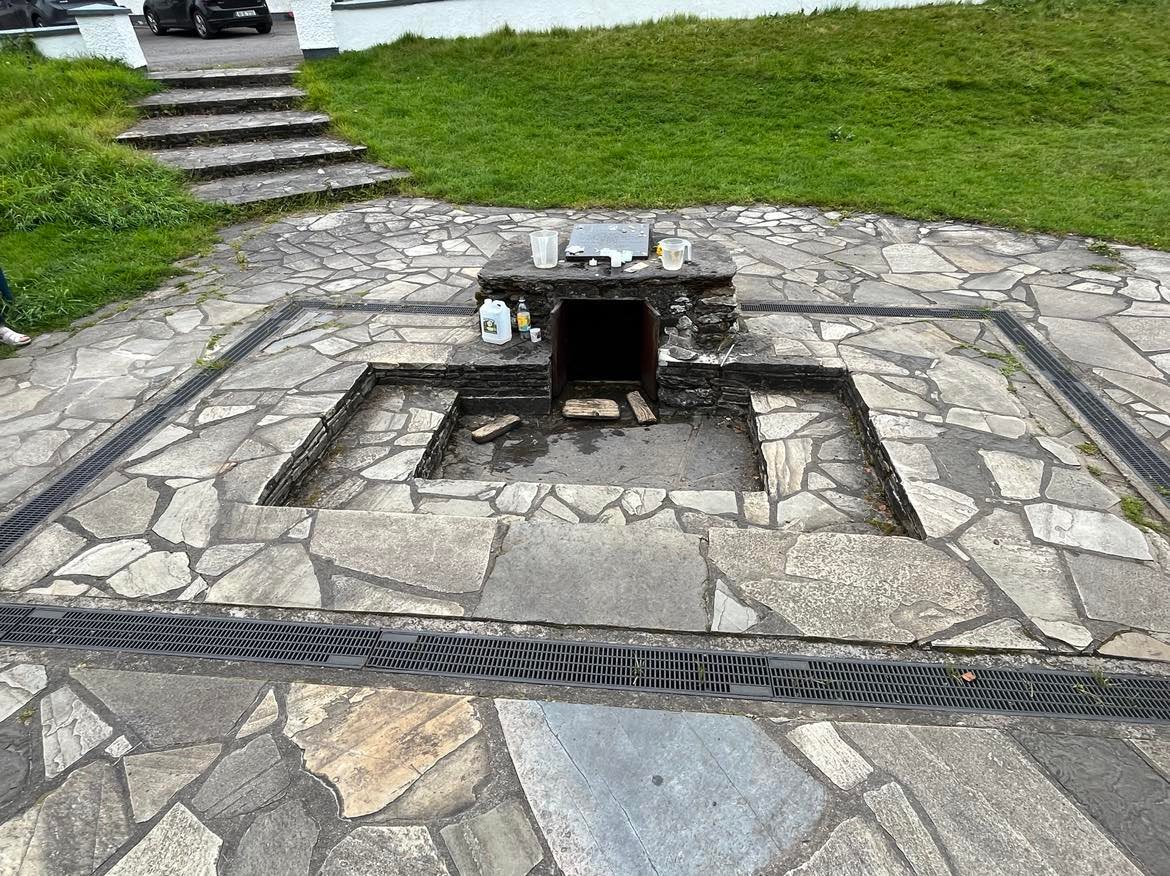
The first is called the Well of Doon, Tobar an Duin in the local Gaelic language. It is one of those quirky little places that locals know about, but outsiders really have no way of finding without a local guide.
The Well of Doon is on the road between Letterkenny and Creeslough, just northwest of Kilmacrenan, but before you get to Termon. You pull up into a small car park, and the first thing you see is an unusually decorated tree. More about that in a minute.
Next to the tree is a natural spring that has been running for centuries. Its surrounds are now paved with slick stone. Local people believe that it provides a cure for illness and injury. Families take their sick and injured loved ones to the spring. Or if they can’t travel, visitors will take some of the iron-infused water back to the patient at home.
There were three or four people there when we arrived. And while it seemed like a normal bubbling spring to me, the presence of these people felt very sincere, as if they themselves truly believed the waters would hold the cure for whatever ailed them. They crossed themselves after partaking of the water. They truly prayed that it would change their circumstances.
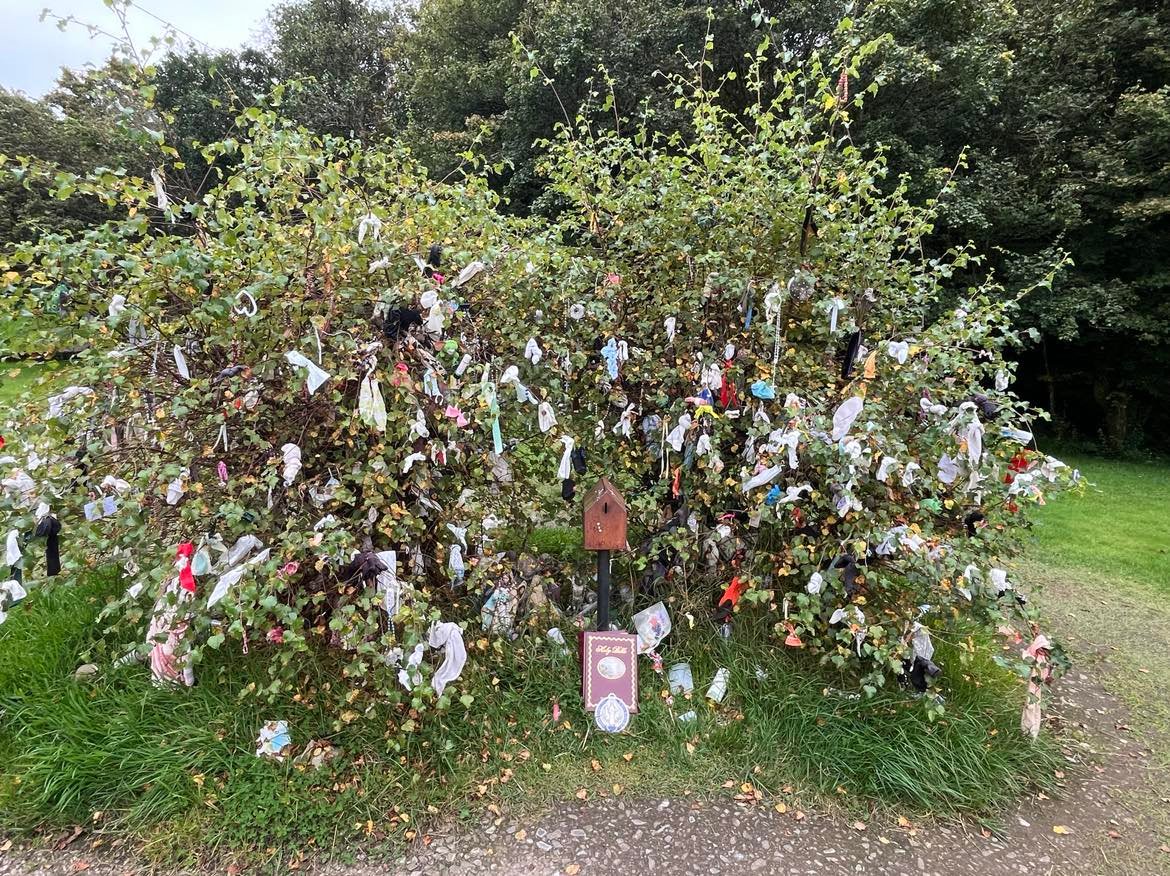
Back to the tree. Next to the Well of Doon is a tree about three metres high. One of the rituals associated with the Well of Doon is to rip a bit of cloth off the invalid’s clothes and tie it to the tree.
The tree was covered with rags. Every branch had a half dozen pieces of fabric knotted all along the length of it. There were also many other things attached to the tree, such as rosary beads, stuffed toys, ornaments, hair bows and rag dolls, which my guide told me were the personal effects of those hoping for a cure.
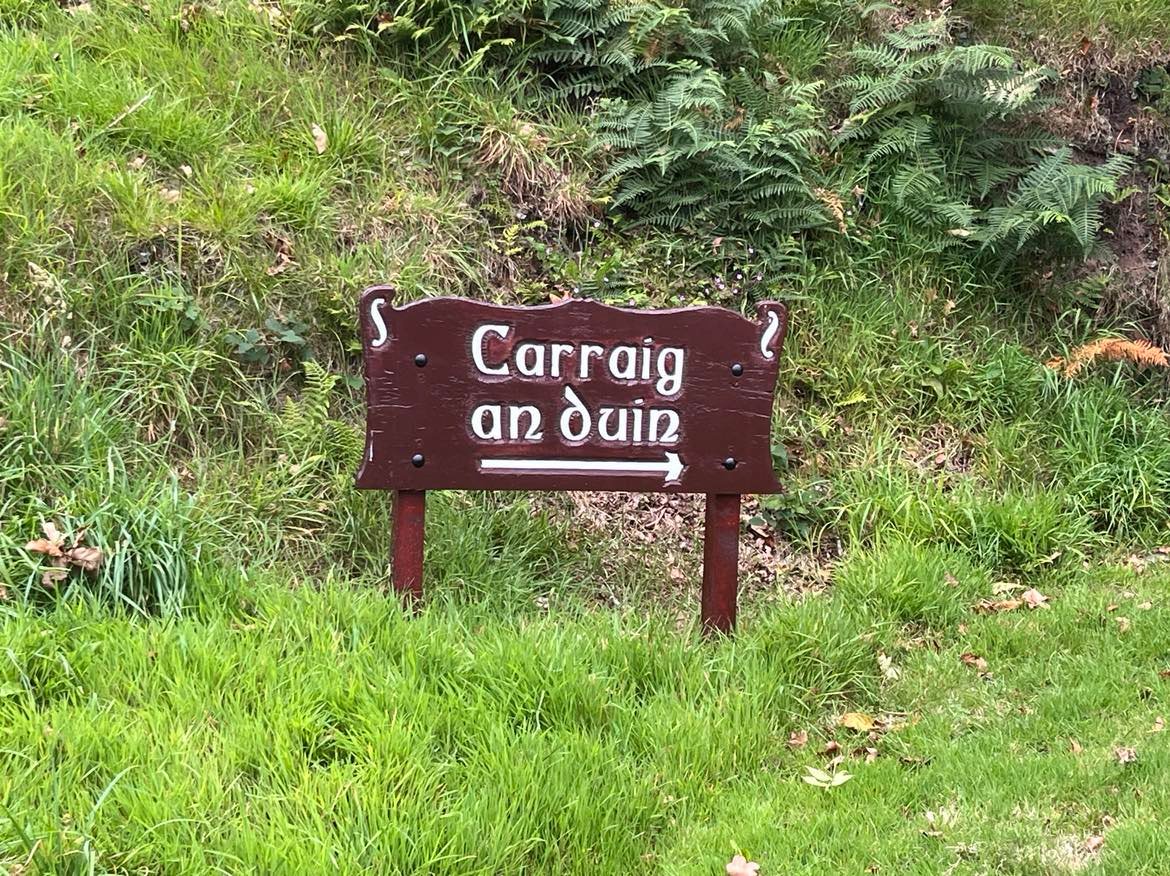
Then my guide asked me if I’d like to see the Rock of Doon. In Gaelic, it is called Carraig an Duin.
It’s a short walk up the hill near the spring. It’s easy enough to climb if you are of moderate fitness. Partway up the hill is a shrine to the Virgin Mary. Visitors have left rosary beads looped over her hands clasped in prayer and some personal items and store-bought floral arrangements at her feet.
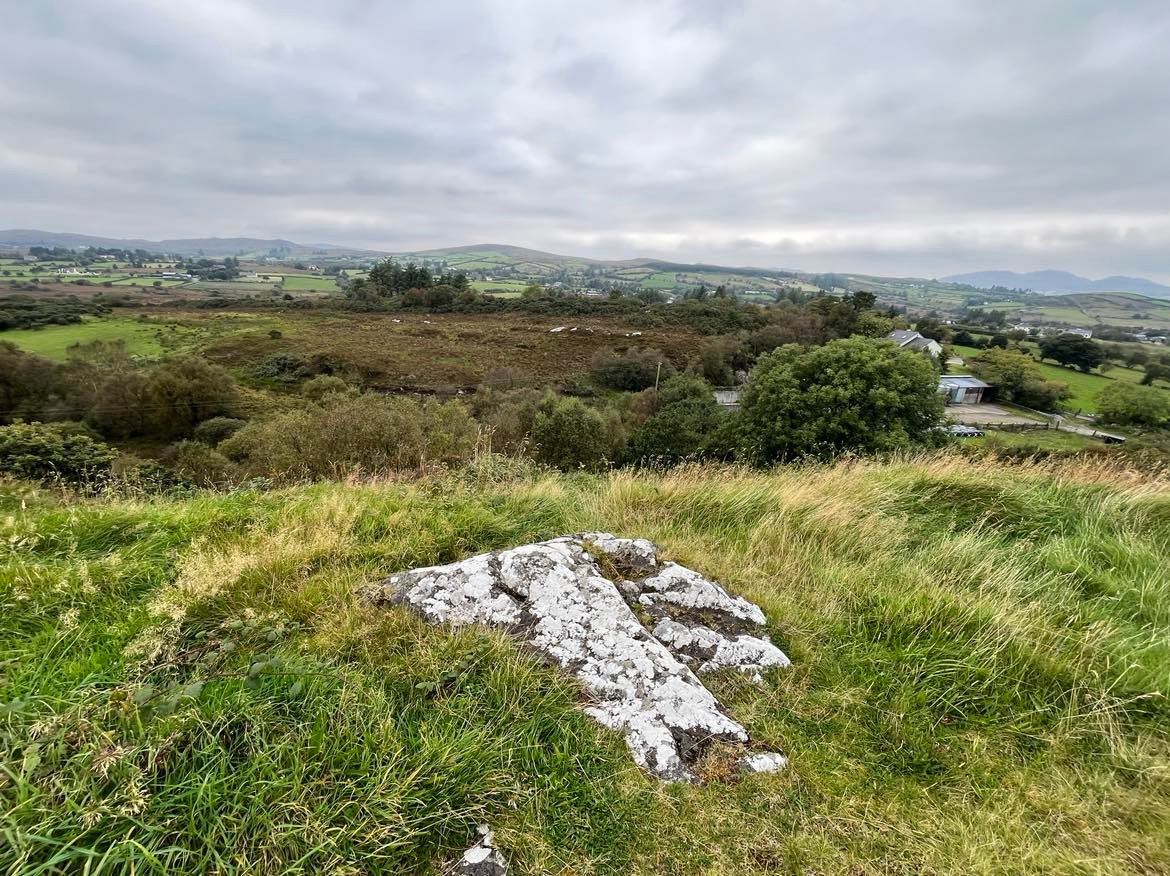
When you get to the top of this hill, there is a one-metre wide rock embedded in the ground and a scent of damp greenery. It felt like a mystical place. I’m not a spiritual person, but there was something about it, and I could understand why it had become legendary in the past.
It was the place where the local O’Donnell chieftains of the Tyrconnell clan were crowned, up to the early 17th century.
Another little history lesson to explain the next part of the story: When Catholicism arrived in Ireland, many pagan sites in Ireland were overlaid with contemporary religious rituals. When the British colonised Ireland, they forbade any gatherings of more than three people, the speaking of the Gaelic language, and the Catholic mass.
So the local priest often climbed to the top of the Rock of Doon and held mass up there in Gaelic. This was a great solution to the problems posed by British prohibitions because you can see a long way off. The priest and the congregants would be forewarned of trouble, able to see the Redcoats marching towards the hill. No matter which direction the soldiers came from, worshippers could fade down the hill in the opposite direction and never get caught.
Today it’s just a windswept hilltop. But there’s an otherworldly quality up there that really makes you understand why ancient and modern people all chose this spot as a centre for celebration, community, culture, ritual and defiance.
The locals today don’t use this hilltop for anything in particular any more, but they all know about and respect it. I can fully understand why, having been there myself last year and felt its power.
I highly recommend that any visitors to County Donegal, Ireland seek out these two spots. They’re very small, unassuming, and without a visitor’s centre. But they are well worth seeing as a window into Ireland’s past.
If you wander into the town of Kilmacrenan and ask around, somebody just might take you there, or at the very least, point out how you can find it yourself.
County Donegal lingers with me still. It’s a region where history whispers, the wind and rain intrude, and the land itself remembers.

Elizabeth has earned degrees in International Relations and Education. She has worked in public service and as a teacher of English to adult migrants in Australia. She spends her money on travelling instead of technology.