
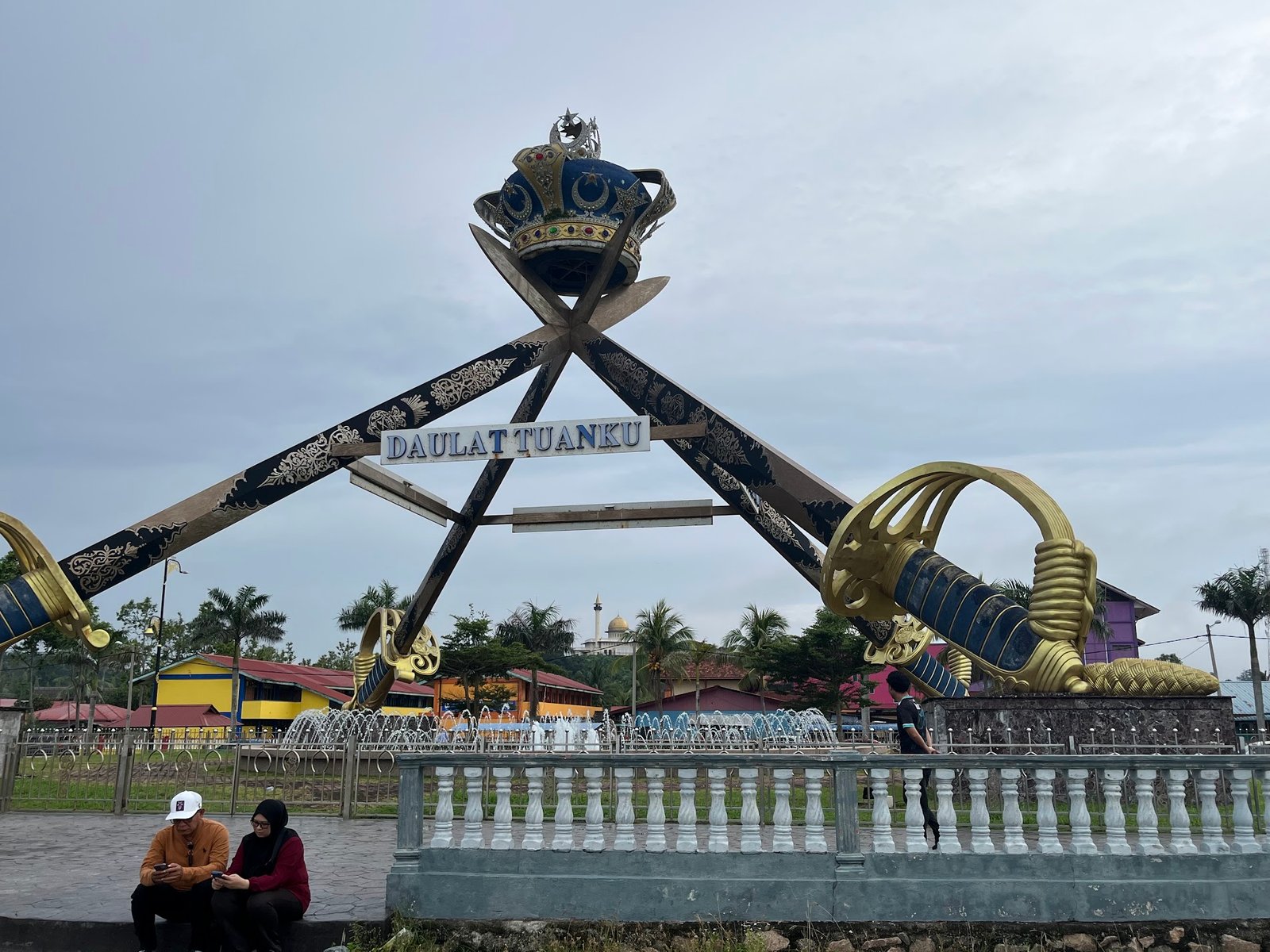
I have spent a fair bit of time in Malaysia, but never really explored the east coast of the peninsula. Most of the commerce and action is on the western side, where the European, Arab and Chinese traders established the hubs of Penang, Melaka and Singapore; and Kuala Lumpur later emerged from the silver trade. The eastern side remains quieter and less cosmopolitan, and with a more traditional Islamic culture. Earlier this year I paid a brief visit, spending two nights in the town of Mersing, and one on Tioman Island.
This story is part of our Slow Travel in South East Asia series. Read more here.
Getting There
I took a bus to Mersing from Johore Bahru – around two and a half hours. This is the best way to do it if you are coming from Singapore, and the bus company will arrange transfer onto a Malaysian bus after you have gone over the causeway and through Malaysian immigration. Malaysian inter-city bus services are pretty good, though stormy weather can interfere with schedules.
Mersing
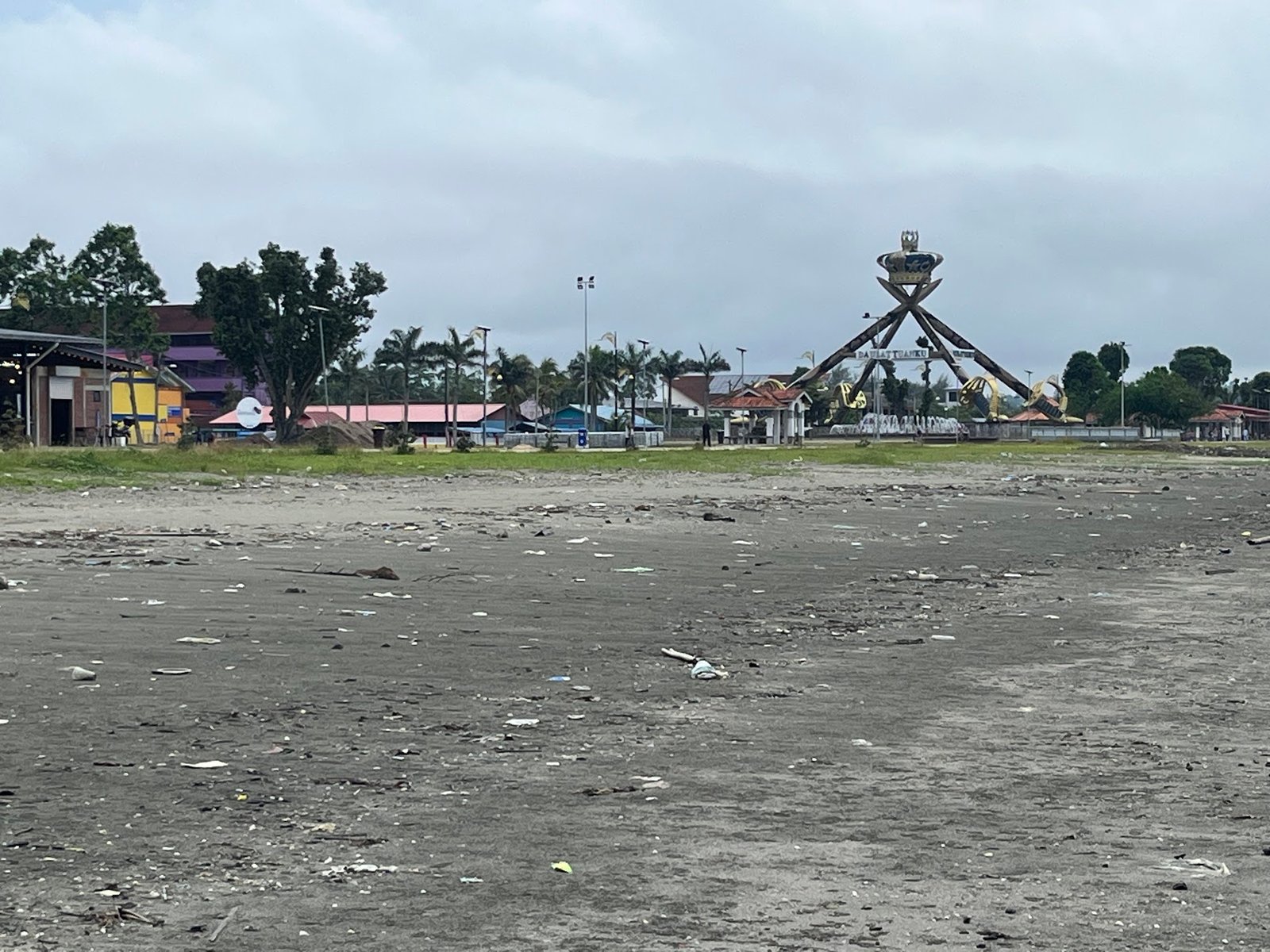
Mersing is a quiet place, so consider your expectations managed. You can’t swim at the beach as it is all mud flats, but there are some nice grassed areas for an evening stroll. There is a modest street market some evenings and they bring out a bouncy castle and pony buggy rides for the kids. There is nothing to do after dark.
The place is quite spread out but there are plenty of Grab cars. I caught a ride to the Seri Malaysia Mersing hotel, which Agoda assured me was one of the best in town. Perhaps so but it was not the sort of place where one would want to linger longer. My room had a cacophonous air conditioning unit which was either on or off – the adjustment controls weren’t working. The hot water was also not working but fortunately I don’t mind a cold shower occasionally. And the mosquitos buzzing around offered a soothing melody – with me providing the percussion as I whacked them. The hotel pool was nice – very clean and refreshing. However I had to jump in and out quickly due to the procession of bitey ants lurking around the edge.
By around 5pm a hawker market was setting up in the carpark near the hotel, and local people were milling around. There were a dozen stands selling the usual stuff – nasi lemak, satays, noodle soup, churros, ice cream. And fried chicken.
Malaysians make excellent fried chicken. Hot and tasty, nicely cut up and served in a bag with a skewer – you can get it everywhere. However you need to know your limits. I bought some and enjoyed it so much that I went back and purchased another helping. Mistake. Later that night I woke with a horrible taste in my mouth and an awful oily sensation in my throat. The cooking oil was clearly more than my system could handle and was looking for a way out. A bottle of water and a handful of Blitz mints, and I was able to get through the rest of the night.
But back to the hawker market. I spent an enjoyable hour chatting with a group of local men and ladies who invited me to sit with them. We talked of travel, the value of education, the nature of God (of which I know little) and Asian soccer leagues (of which I know even less). These conversational encounters are one of the true pleasures of solo travel.
Roads on the east coast are in good shape and not too crowded. You might be thinking about getting on a scooter for a day or two. If so, check out the Dusty Boots guide to scooter rental.
Tioman Island
The next morning I took a walk around the town and bought a ticket on the Bluewater ferry to Tioman. The trip was about two hours on a large fast ferry and was comfortable, other than the guy in the seat next to me who was coughing raucously for much of the journey. The next morning I woke up with a cold. Thanks heaps.
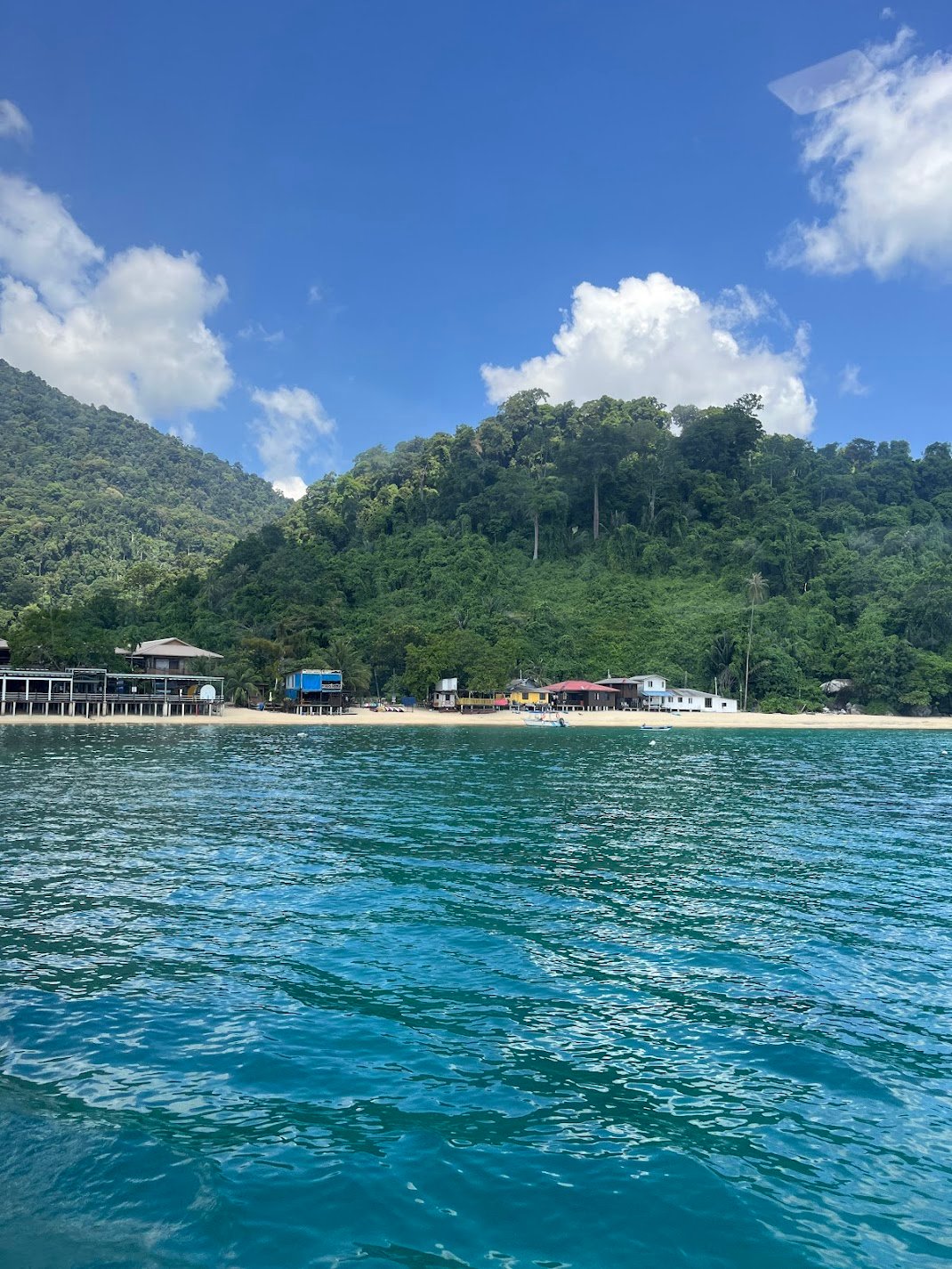
Tioman was nice enough but I was only there for one night so my impression is limited. It is one of the larger islands off the east coast, and rises steeply from the ocean to a jungle plateau. It is quite undeveloped with limited road transport. As on the mainland, the culture is traditional. No nightlife, no alcohol in restaurants, though you can buy beer at the Chinese-run convenience stores. And there are duty-free stores but I didn’t go in one.
I stayed at the Papaya Resort, a family-run hotel in Tekek. The room was basic but clean, and the hosts very friendly. There are plenty of places offering snorkel and scuba trips, but I just spent the day walking around the streets, watching some boat-building, reading on the beach and enjoying the warm, calm water.
The next morning was more of the same, but with a sniffle and sore throat. I took the midday ferry and checked back into the Seri Malaysia. Pleasingly the hot water worked in my new room. I did some more wandering, skipping the fried chicken that night.
Getting Away
The next morning I bade farewell to Mersing and caught the bus to Kuala Lumpur. The trip was about six hours with a couple of stops. I enjoyed my brief journey to the east coast. There is much more to it, and I am sure I will be back.
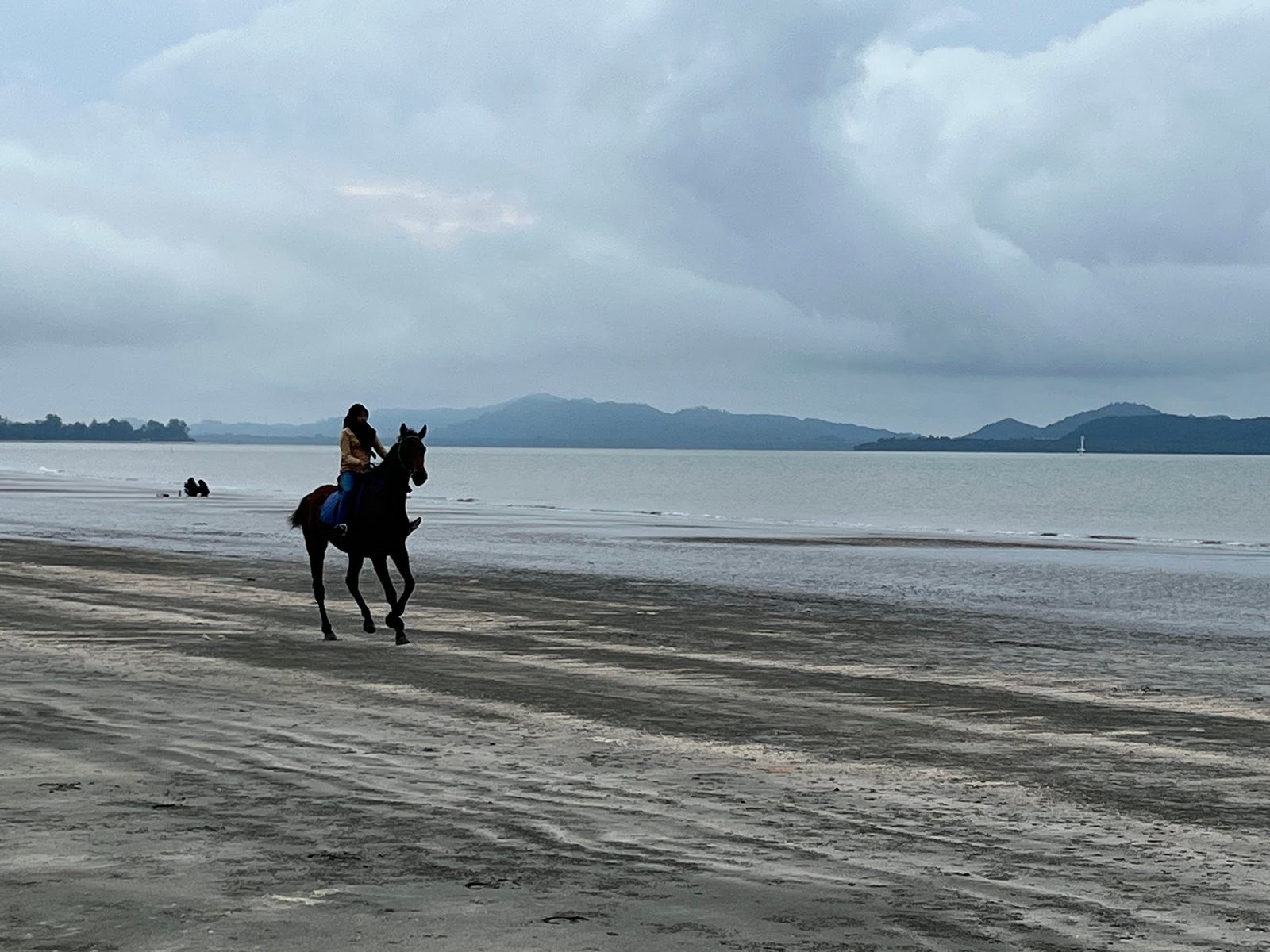
Girl galloping her horse along the mud flats at Mersing. The ladies in the water behind her were casting nets for small fish. In hijab of course – one can never be too careful.
A Bit About Mersing
Getting There
Bus is really the only option, unless you have a private car. There are frequent services from Kuala Lumpur (TBS), Singapore (Newton Circus/Golden Mile), and Johor Bahru (Larkin Sentral). There are several sites where you can buy tickets online at a good price. This is one I have used: https://www.busonlineticket.com/
The best time to visit is between March and September. The north-eastern monsoon kicks in around November. Rain and wind can be heavy and ferry services are limited during the low season.
Things to Do
It is a quiet place, but if you are there for a day, here are some ideas:
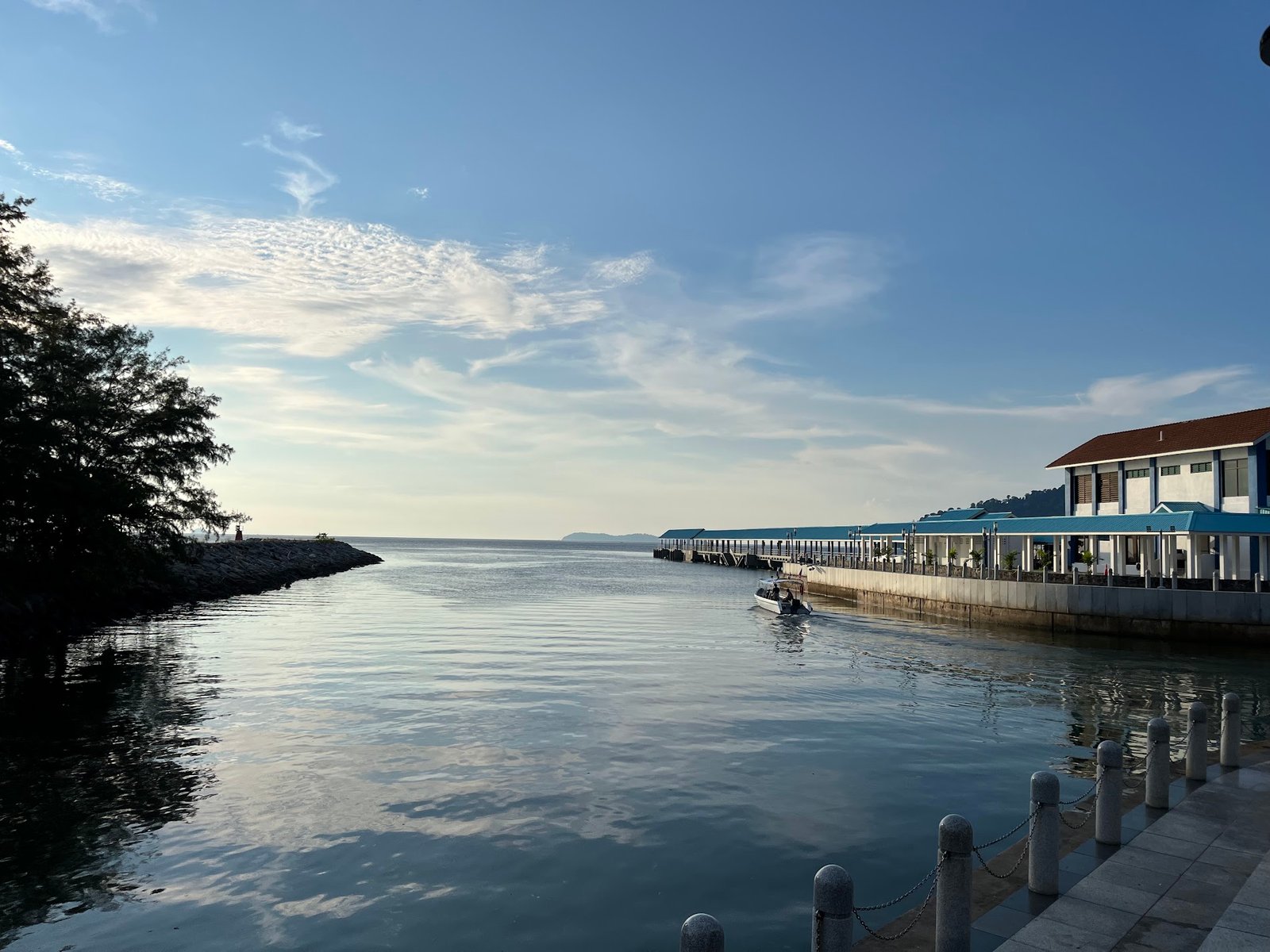
- Harbour Centre & Jetty: Even if you aren’t catching a ferry, it’s a great spot to watch the fishing boats and grab a local snack.
- Masjid Jamek Bandar Mersing: This stunning blue-and-white mosque sits on a hill overlooking the town and the river. It offers a peaceful atmosphere and great views.
- Air Papan Beach: Located about 15 minutes north of town, this is a popular local beach. It’s perfect for a quiet walk, a picnic, or a quick dip in the South China Sea.
- Visit the evening markets and try the food. As well as the Malay staples, there are local seafood dishes such as Ikan Bakar – grilled fish with spicy sambal sauce.
Quick Guide to Tioman
Getting There and Back
You don’t need to book ahead. Go to the visitors centre near the Mersing ferry terminal and buy your ticket over the counter. There are two ferry companies – Bluewater and Cataferry. Bluewater is a bit cheaper (RM120 – about AUD45 for a return ticket) and has more frequent services. Cataferry boats are newer and a little faster and fares a little more expensive. When you buy your ticket you have to nominate which stop on Tioman you want to go to, so have this planned. You will also have to pay a RM30 park fee at a separate counter in the terminal. So get there at least an hour before your planned departure.
Accommodation
Book ahead via any of the major booking sites. There are various options including small resorts, homestays and cabins right on the beach. If you go for the latter, be prepared for sandflies – they got me.
Things to Do
Depends on how much time you have. Some ideas include:
- Diving & Snorkeling: You can snorkel right off the beach in most places, or take a boat to Pulau Tulai (Coral Island).
- Jungle Trek: For those who prefer dirt to sand on their boots, hike the trail from Tekek to Juara. It’s a 7km trek through dense rainforest where you’re likely to see monitor lizards and monkeys.
- Asah Waterfall: Accessible by boat or a long trek from Genting, this is a stunning freshwater fall deep in the greenery.
- Turtle Conservation: At certain times of the year you can visit the Juara Turtle Project to learn about their work protecting sea turtle nests and, if you’re lucky, witness a hatchling release.

Steve is a former Army officer and technology manager, now semi-retired and living in Melbourne. He enjoys adventurous travel and believes that good stories should be shared. He founded the Dusty Boots Journal as a means to connect those with similar interests.