When you embrace slow travel, you realize that you aren’t just moving through a landscape; you are living in it. In a region where 30°C is the baseline, your wardrobe should be a rotation, not a collection. You only need three or four outfits of breathable, quick-dry fabrics.
Why so few? Because slow travel implies lingering. If you’re staying in a village or neighborhood for more than two days, you’ve hit the laundry sweet spot. Laundry services in SE Asia are ubiquitous, incredibly cheap, and usually return your clothes smelling like sunshine within 24 hours. If you need something quicker, a bar of laundry soap and a bathroom sink will do the job in five minutes.
What to Leave at Home
We often pack for the person we think we might be—the one who goes to a 5-star gala or hikes a glacier. In reality, you’ll spend 90% of your time in the same pair of reliable sandals. Here are some things you don’t need:
- Heavy denim: Jeans are a disaster in the tropics. They take forever to dry, they’re heavy and restrictive.
- Most of your shoes: They are space-consuming and dead weight.
- The pharmacy bag: You don’t need a six-month supply of basic toiletries. Most towns have a pharmacy or a 7-Eleven with everything from ibuprofen to sunscreen. Carry the essentials, but trust the local infrastructure.
The Essential Dusty Boots Packing List
So here is what you should take. Its not an exhaustive packing list so don’t blame me if you forget something important (like your passport):
- In general, enough clothes for three to four days. You can easily pick up another t shirt or pair of shorts if you find you need them.
- Lightweight trousers, preferably with zip-off legs. Wear these on flights.
- Ladies, pack a light scarf and sarong for when culture obliges it.
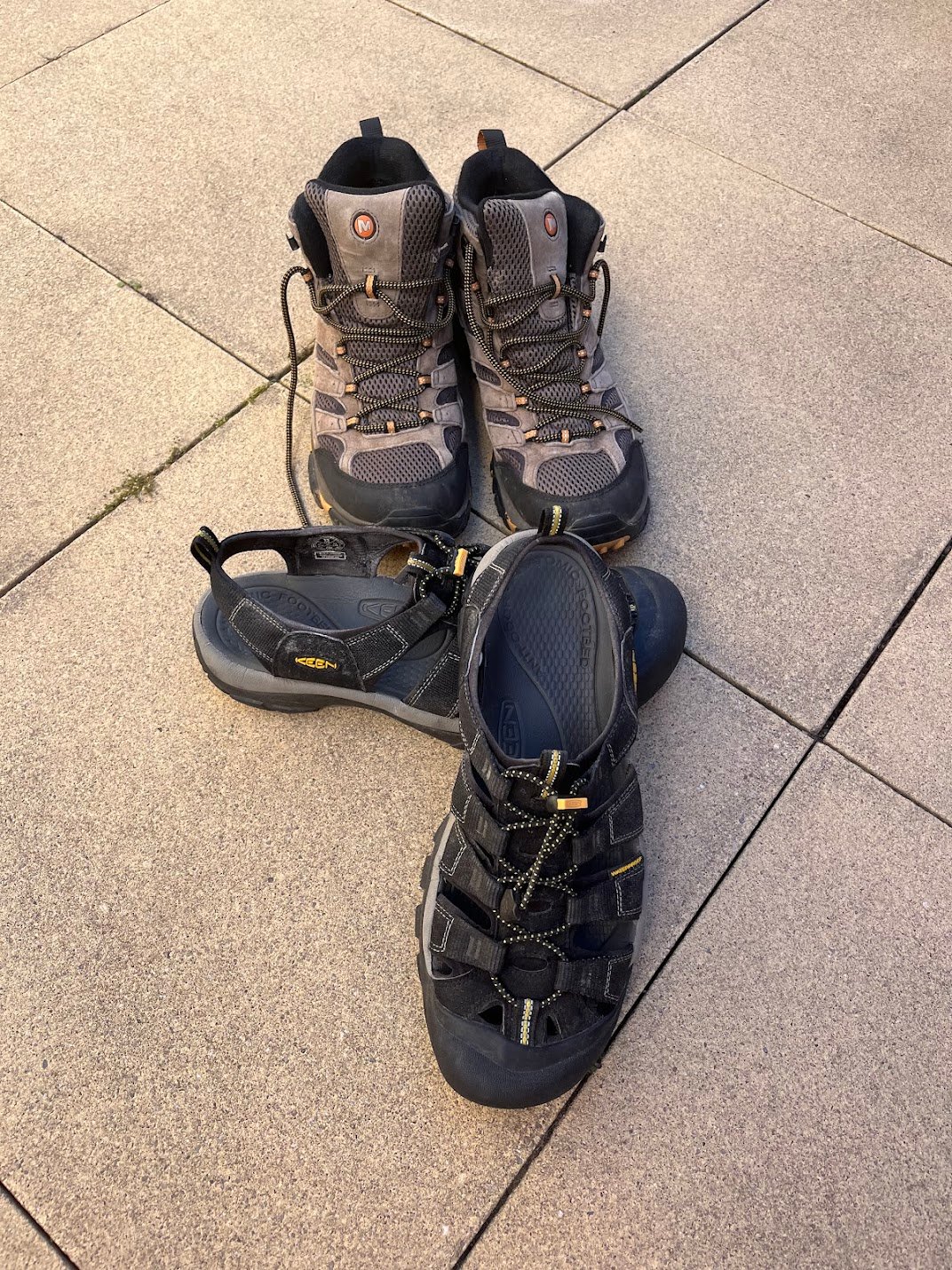
- Your dusty boots and one pair of high-quality sandals (like Keens, Chacos or Tevas). Its all you need.
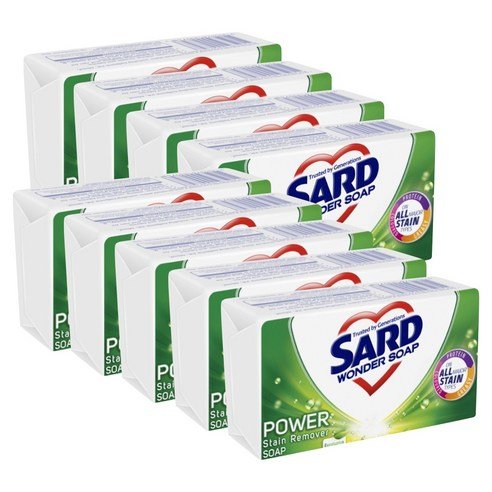
- A bar of all-purpose soap (Sard Wonder Soap is perfect). For washing yourself, cleaning grubby surfaces in hotel rooms, and those DIY laundry occasions.
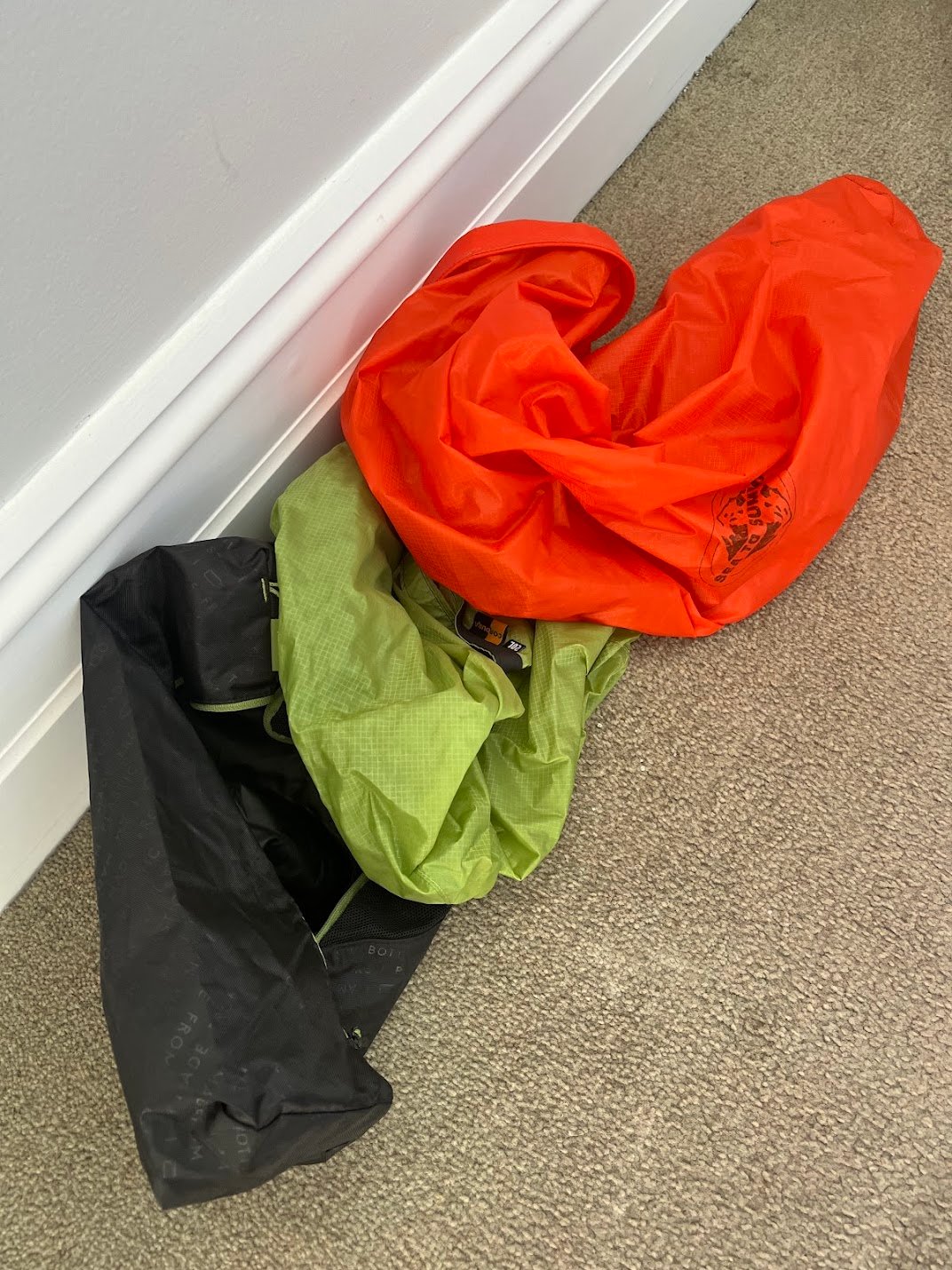
- At least one dry bag for sudden monsoons or boat trips.
- Sun protection – hat, sunglasses, sunscreen, scarf for soaking and tying around head or neck if you get hot.
- An ultra-lightweight spray jacket for cool/damp evenings, or to wear on the plane.
- A reusable water bottle: Do your bit to reduce plastic waste, which is a real problem in the region.
Some Other Tips
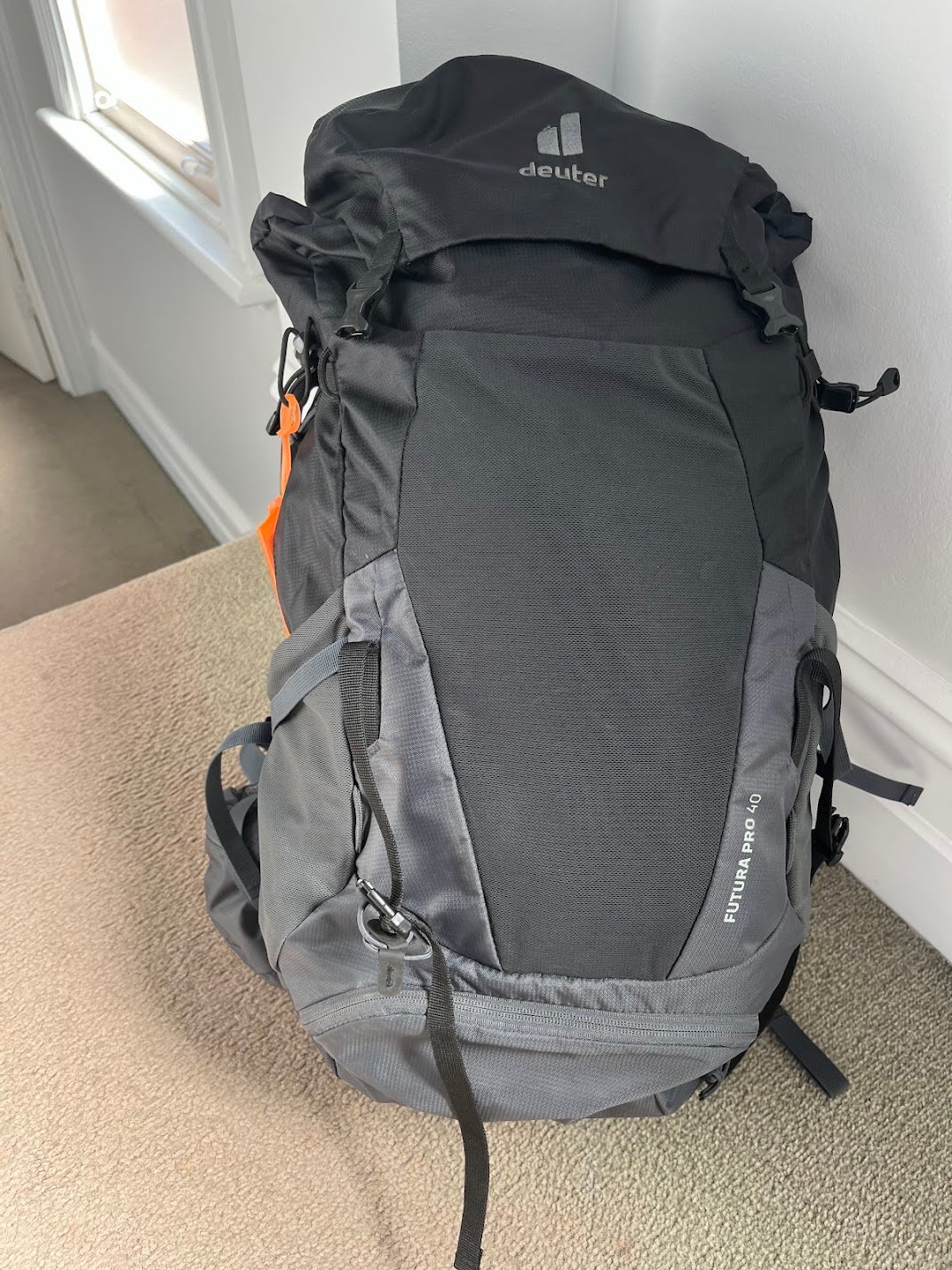
- Try to pack one bag only and keep it under 7 kilograms. You will save money on checked bags on budget airlines, and it makes it so much easier to keep your eye and a firm grip on things in tuk-tuks and buses. I have a good quality 40 litre backpack with plenty of external and hidden pockets.
- Pack bags within a bag. Get a few waterproof Sea-to-Summit type bags. They keep stuff compressed yet easy to access. And they last a lifetime.
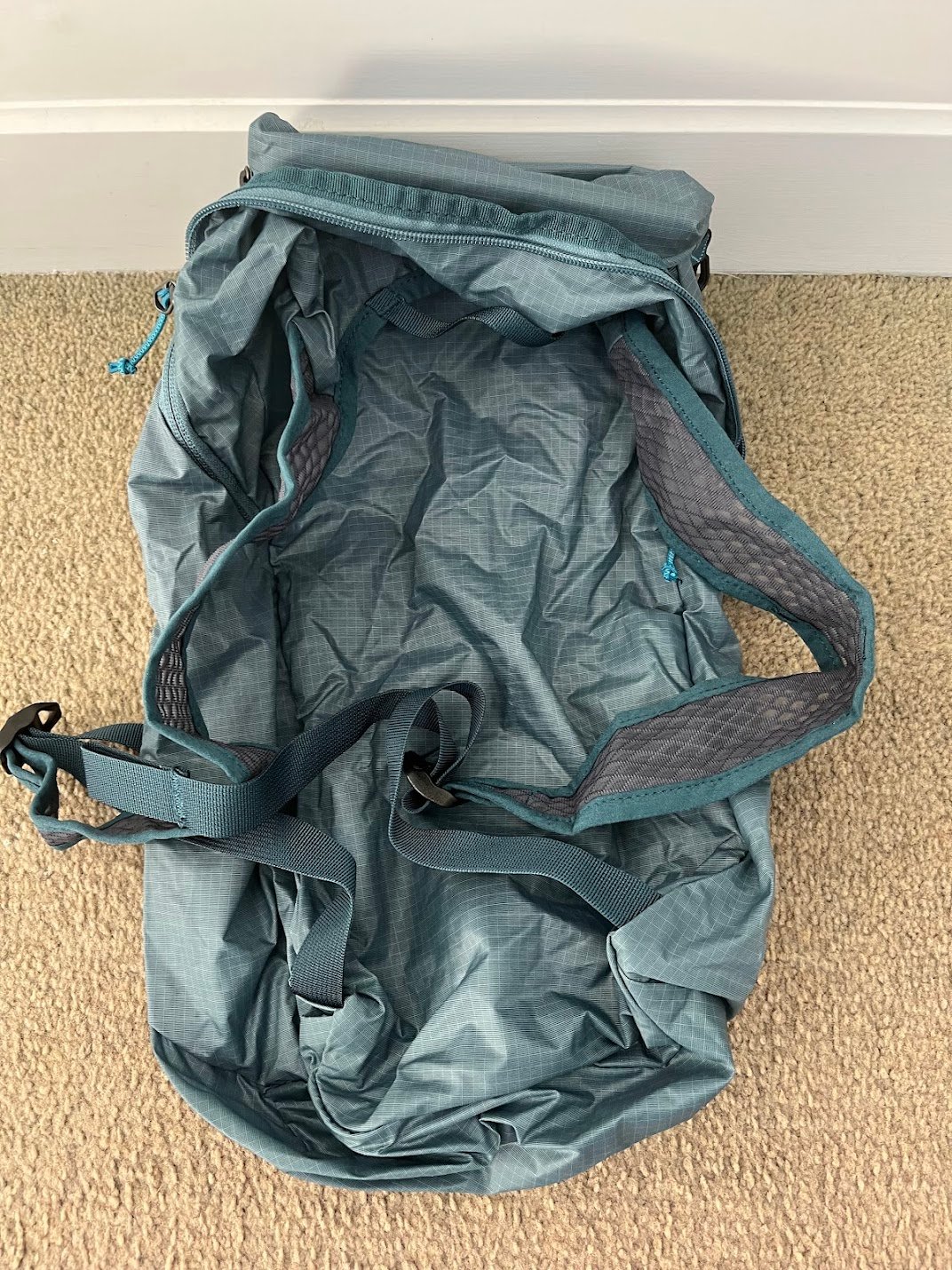
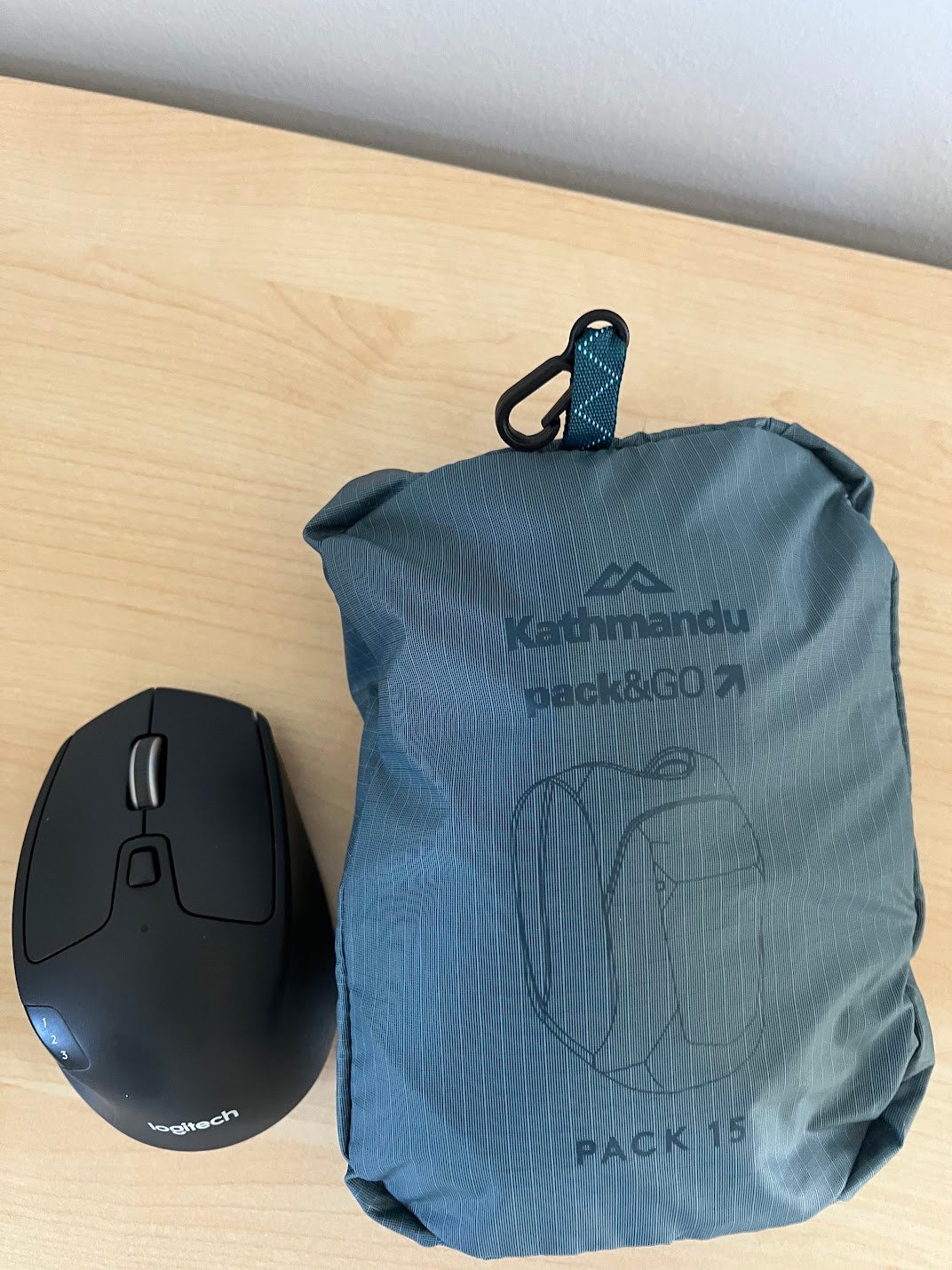
- Invest in a collapsible backpack. It weighs nothing and you can pull it out for the day’s essentials on those hikes and urban safaris.
- Bury an electronic luggage tag in your bag.
- I’m not a big fan of power banks….they often get confiscated. Charge your phone whenever you can, or even better, minimise your use of it.
- Carry a novel. I prefer to read a book than stare at a small screen. And many hotels and bars in Asia have a give one/take one book exchange.
- A pack of cards or set of poker dice is a good way to spark a conversation and meet people.
By stripping back your gear, you stop being a mule for your belongings and start being a participant in the journey. In the end, the best things you’ll bring home from SE Asia are memories and friendships; these won’t fit in a suitcase anyway. If you do accumulate stuff while you are away, try to do it just before you come home. You can pick up a cheap suitcase or duffle bag to put it in, and pay for the checked bag.
Now you have packed for fun and freedom, you might be thinking about getting on a scooter for a day or two. Check out the Dusty Boots guide to scooter rental.
See some places you might go with your light pack on our Slow Travel in South East Asia page.

Steve is a former Army officer and technology manager, now semi-retired and living in Melbourne. He enjoys adventurous travel and believes that good stories should be shared. He founded the Dusty Boots Journal as a means to connect those with similar interests.