
2025 – An Important Year for Vietnam
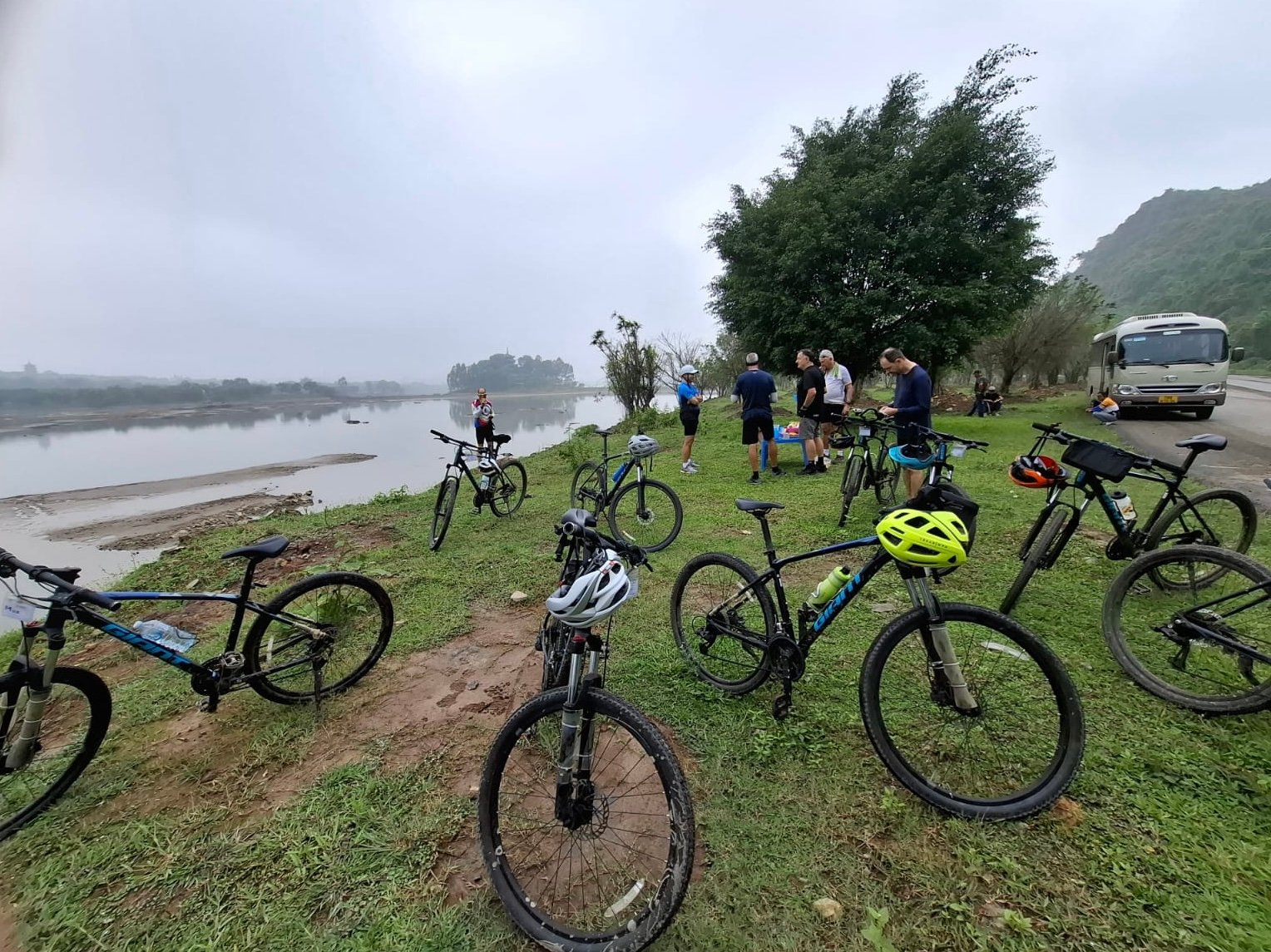
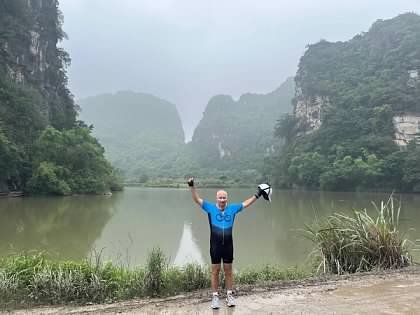
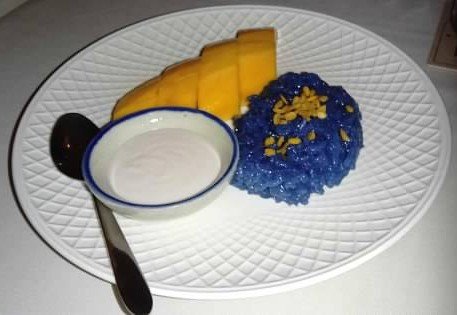
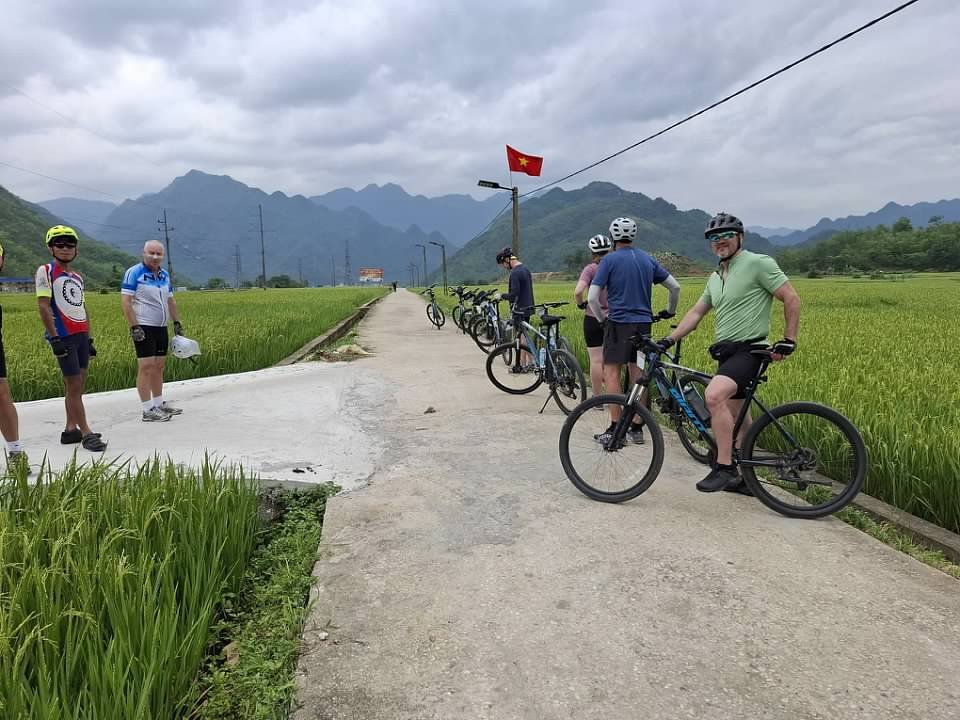
In 2025, I spent two weeks cycling between Hanoi and Ho Chi Minh City. I saw loads of fascinating sights. I visited pagodas, temples and museums. I marvelled at giant limestone mountains towering over rice paddies. I ate colourful and tasty dishes.
2025 was a significant anniversary. It was 50 years since the end of the war and even the smallest villages were decorated with bunting and Vietnamese and Communist flags celebrating victory. And there were posters of patriots. They were unknown to me yet venerated heroes in Vietnam. I was fascinated and wanted to know more about them.
Unlikely Heroes of the People
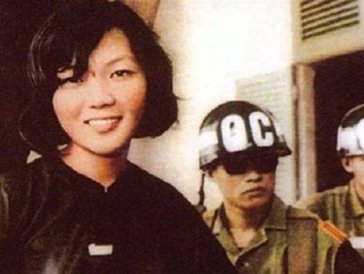
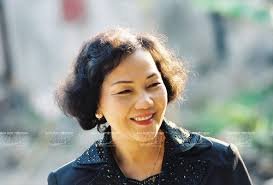
One poster was Vo Thi Thang, commonly called the Smile of Victory. Vo became a pin up girl for Vietnamese troops. At 16 in 1961 she began courier runs for the Vietcong and hid VC soldiers in a tunnel in her parents’ yard. In 1968 she was sent to the South to assassinate an enemy spy for which she was caught and sentenced to 20 years imprisonment. To the judge she said, ‘How long can your government survive to sentence me to 20 years in prison?’ A prophetic statement as the South Vietnam government fell in 1975.
As Vo was led from court a photographer snapped a powerful image. Vo, young, beautiful and unrepentant, smiled. As it did then, the image of her poise continues to captivate the nation.
Vo went on to become a successful government servant in various areas including tourism. She has inspired a number of works of literature.
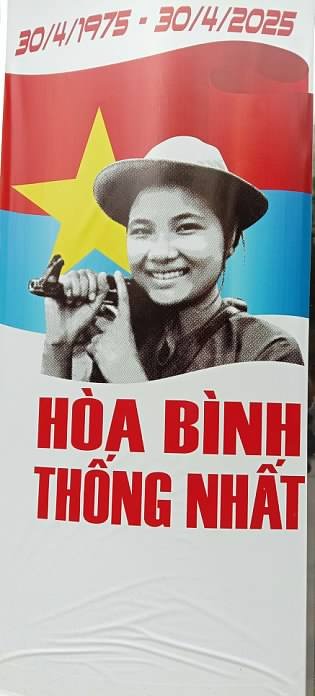
A common poster I saw displayed in Saigon was titled ‘Hoa Binh [peace] Thong Nhat [unification].’ It shows a pretty young girl with the National Liberation Front (also known as Vietcong) flag of South Vietnam as a backdrop. I took a snap of this poster.
During a walk in the park some students approached me to practise English. I asked if they knew the girl in the poster. All four nodded immediately. During the war most young men became soldiers. The task of producing food to feed the army fell to older people, women and children. This girl became a hero of the people by producing the biggest bounty of rice from her assigned plot than anyone else. It cheered me to think of this young farm girl receiving honours more commonly reserved for those who attacked hills or destroyed tanks.
Life Among the Rice Paddies
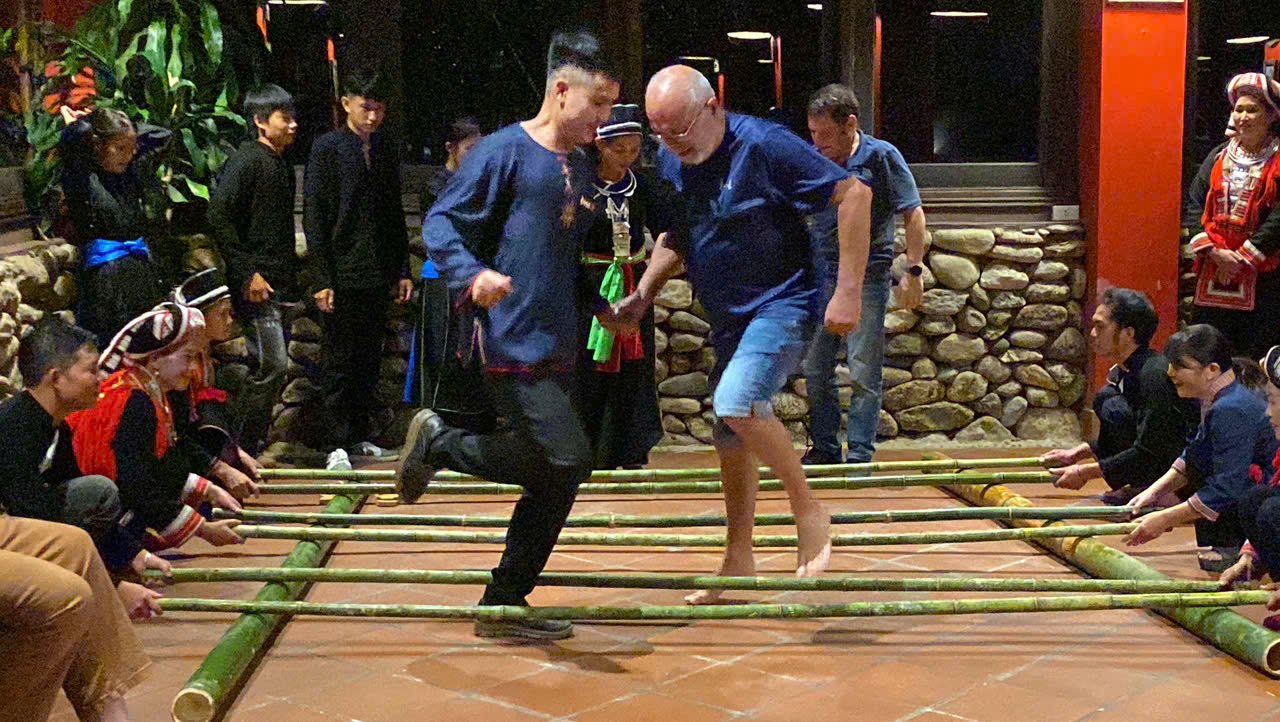
During the trip I visited Mai Chau, north west of Hanoi. I had stayed in a White Thai stilt house homestay previously, and expected the usual night of family entertainment consisting of a traditional folk dance during which participants step between long horizontal bamboo sticks being clapped together.
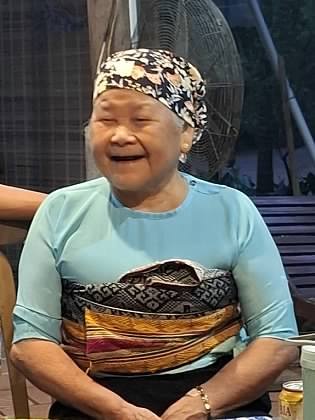
But this night it was not to be. Instead, our guide introduced an elder. This woman had also spent the war growing food. Her area of Mai Chau was not as heavily bombed as other places, but it was still a period of arduous labour and deprivation. Everyone had tasks. Those not farming were part of maintaining infrastructure, minding children or continuing the education of the next generation. She was proud and forthcoming in answering our questions. We acknowledged the hard labour of the time but suggested that at least they must have had ample food. Her answer was a blunt no. All the rice went to the war effort. Those at home fought their own war of subsistence. They survived on bush plants, grain normally reserved for livestock and any protein from wild animals or fish.
This story is part of our Travel Writing & Reflection series.
In faltering Vietnamese I had the privilege of thanking this woman for her hospitality and providing us a deeper insight into the life of her people. She returned her appreciation with a beautiful smile, likely enhanced by the fun of hearing a Westerner speaking her language with less fluency than a child.
Knowledge is a Wonderful Souvenir
I like to think I have a reasonable knowledge of the modern history of Vietnam. Yet travel gifts first hand observations that uncover deeper knowledge that can seldom be appreciated from home.
So when travelling, rather than wandering to the nearest souvenir stall for a trinket, take a moment to look around. History and culture are staring you in the face. It could be street names, advertisements or a ubiquitous clothing colour. There are stories behind these things. They are the best souvenirs – providing enrichment that won’t add weight to either your carry on or check in bags.
For some other cultural insights, you might also like to read Muz’s observations of remembrance rituals in China, or Neale’s encounters with cultural oddities in South Korea.
Muz lives in Sydney. When not conducting investigations he divides his time between travel adventures, backgammon, family and luring dumb fish to their demise.