
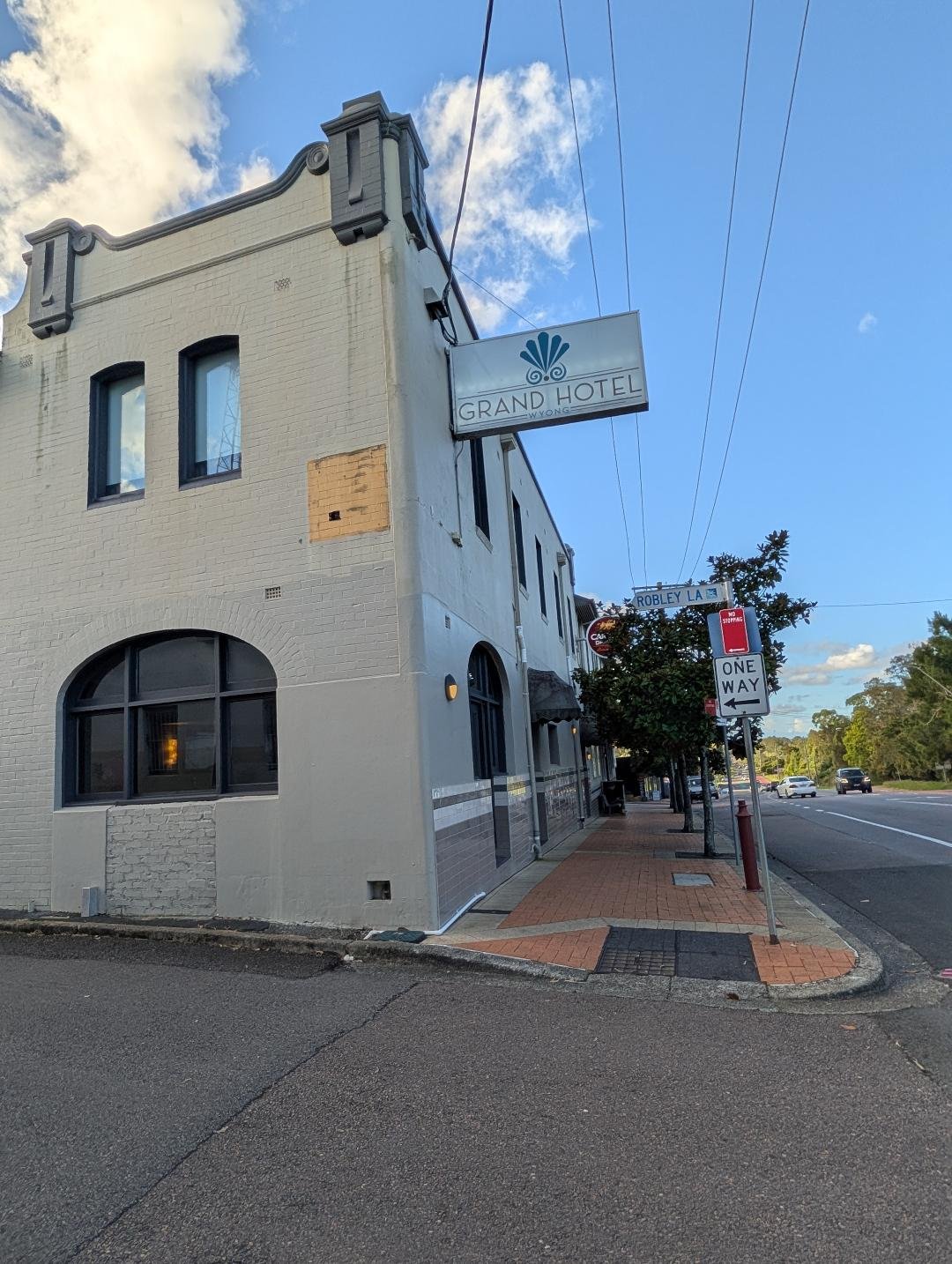
Over some months I have been clocking legs of the Great North Walk from Sydney to Newcastle. Yarramalong to Teralba Station needed an early start so I decided to overnight near the start point in Wyong. Wyong was traditionally a traffic choke point on the Pacific Highway as multiple lanes converged to a single blocked artery through the town. I was curious to see how the freeway bypass had affected the place.
Pub Trivia
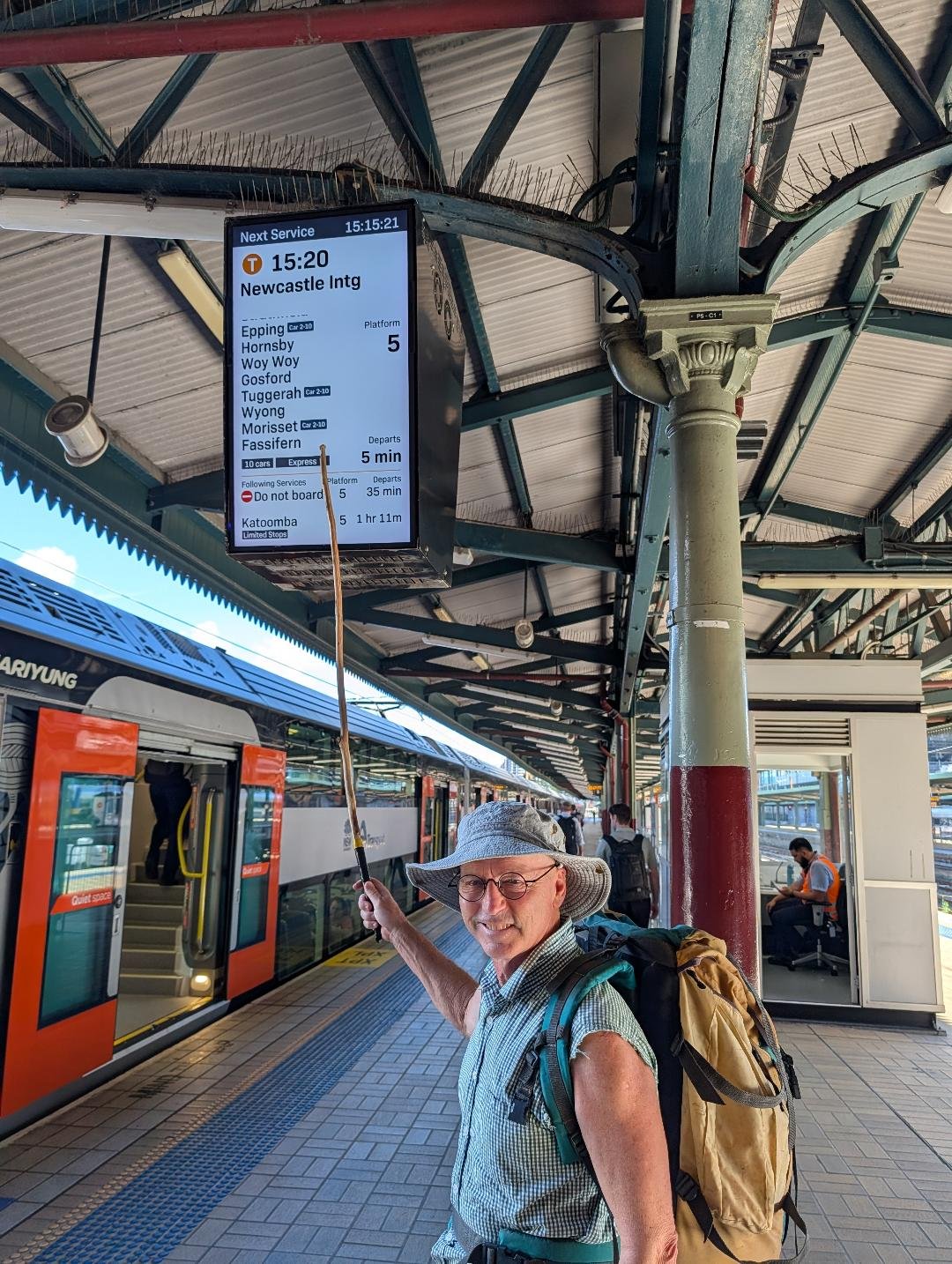
From Central Station Sydney it’s a 90-minute train up to Wyong where I had booked into a pub.
Wyong has two pubs near the station. One is the Royal. There are over 240 Royal Hotels in Australia, making it the most common name for a pub in the country. I stayed at the Grand. There are only 81 Grand Hotels, making it the 4th most popular name.
Absorbing the Atmosphere
I wandered to the Royal Hotel for dinner and met local chap Bernie. Rather than being blunt and asking what Wyong was like, I sought the same information by stating that I had a friend thinking of moving into Wyong and asked if that seemed a good move. The response was ‘Really depends on how much your friend likes hard drugs’.
So I snuck a peek at the suburb profile. It said, ‘Wyong, located on the NSW Central Coast, is often described by residents as having significant issues with crime, drugs, and anti-social behaviour, leading to a negative reputation in some areas. While it has some quiet pockets, reports highlight petty crime, meth use, and declining community safety.’
Surely it cannot be that bad? I checked some independent Reddit reviews. Comments included:
‘… lovely homes in some pretty streets, but I also found that the majority of the teens and some of their parents were people that I would call less than desirable…’
‘…only one school would have my recommendation – Lakes Grammar, an Anglican School…We tried sending our children to Wadalba Community School, what a disaster that was…’
‘Wyong is a junkie haven. There is even a unit complex known as the ice palace.’
Famous Coasties
There appears not to be a demonym for Wyong residents. Bernie told me they call themselves ‘Coasties’.
Seeking a brighter note, I asked Bernie about famous Coasties.
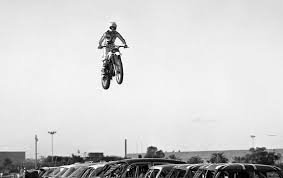
A brighter note was Wyong local Dale Buggins, a stunt motorcyclist who rode with American stuntman Evel Knievel. Aged 17, Dale’s 1978 jump broke Evel Knievel’s world record by flying over 25 cars on a Yamaha dirt bike at the Newcastle International Motordrome. Not so bright a note, Dale committed suicide in 1981 aged only 20.
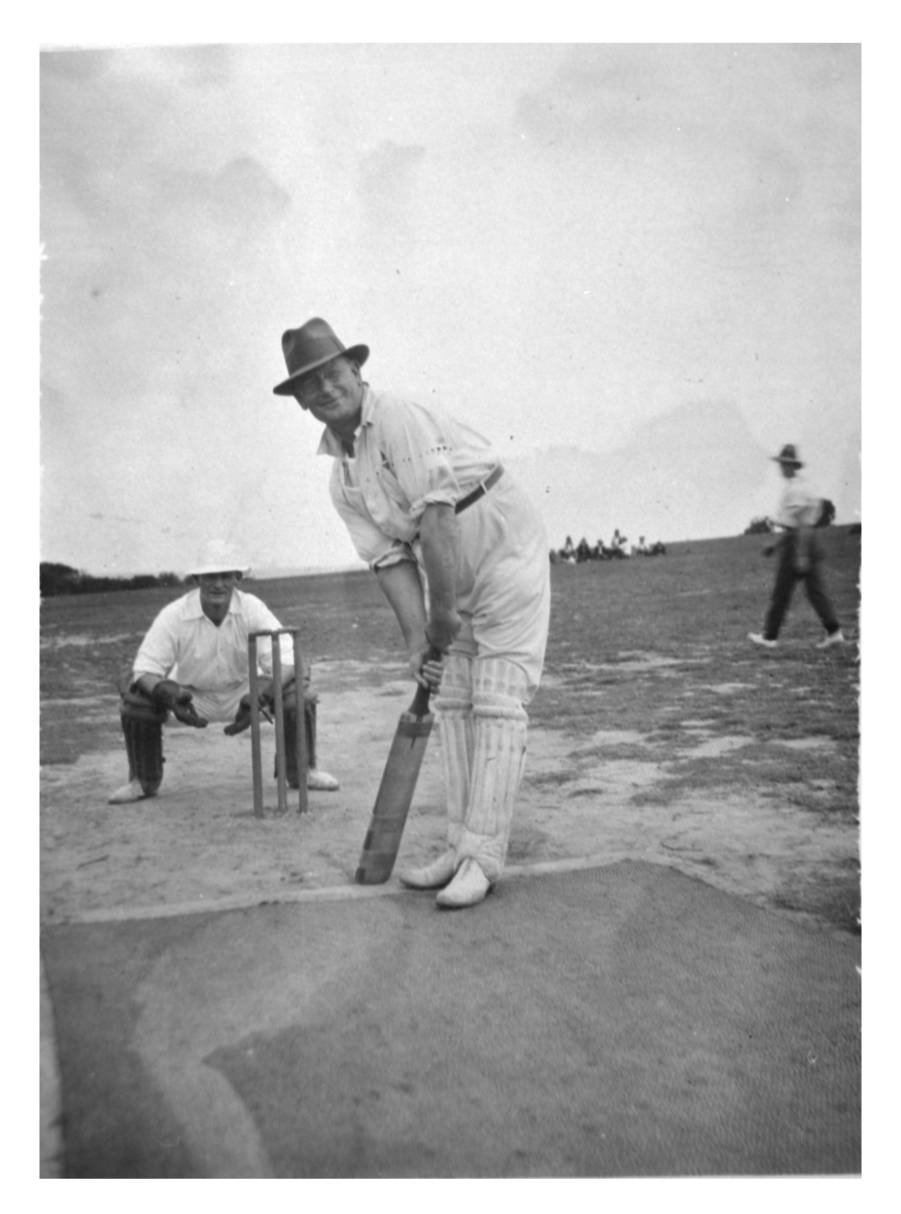
Still seeking a happy story, I pressed Bernie who recalled Gersh Baker. Gersh came up from Sydney in 1906 and opened a dentist surgery right where we were sitting in the Royal Hotel. He played football and cricket at a standard high enough to represent Newcastle and helped found local golf, rowing and bowling clubs. In addition, he was the ringmaster of the Wyong Show for over 30 years.
Wanting to leave on this positive note I farewelled Bernie and returned to the Grand. On the way a young girl screamed at me imploring if the voices in her head were annoying me. I let her know the volume was acceptable and informed her the ‘ice palace’ was over near the tennis courts and swimming pool. She thanked me, but said she quite aware of that location.

Adieu Wyong – And More Cultural Insights
Pre-dawn, the Uber driver was waiting in the pub car park and we set off for 28 km to Cedar Brush Farm – I decided to skip a few kilometres along the road from Yarramalong. I quizzed Mr Uber why the Grand Hotel, a pub in a very small town, was open till 3am. He said it was for those who enjoy gaming AKA gambling. He said he used to spend a lot on poker machines but now only spends about $200… a week! My quick calculation totalled that at $10k a year. As he bemoaned the cost of fuel and rents in the area, I was tempted to provide some advice such as the most likely place in the casino to get a straight flush is in the bathroom but thought better of it. Rather I asked him if he had heard of Gersh Baker. He hadn’t. What about the ‘ice palace’. ‘Oh yeah, everyone has heard of that place!’
There are 98,500 poker machines and 8.15 million people in NSW. I will save you the math. One machine for every 82 people. Only Nevada (with Las Vegas) can beat that record!
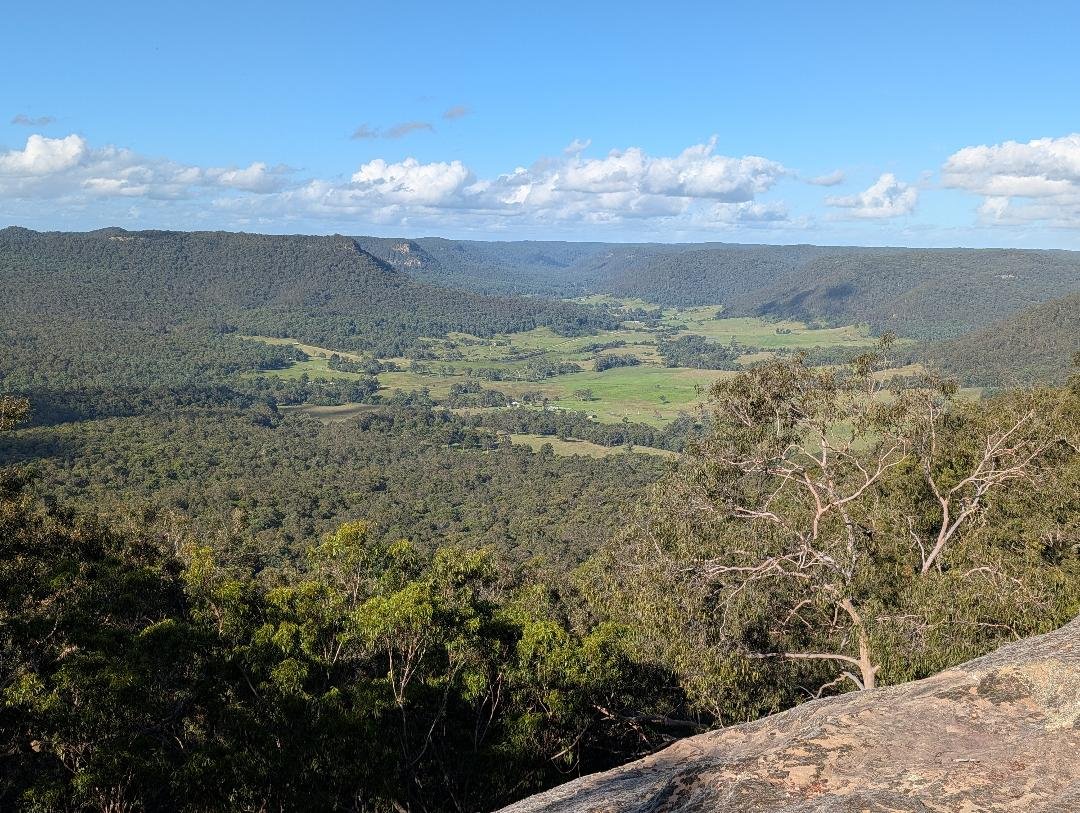
It was dark and Mr Uber offered to take me beyond Cedar Brush Farm to the GNW start point. I declined. Unlike him, I am not a gambler and knew it would be easy to overshoot the start point especially in the dark. This proved wise. I did a careful navigation check on alighting and after a slow 500 metres saw the GNW marker and I was on my way, thankful for the scent of eucalyptus and tranquillity broken only by morning birds and the thumps of unseen wallabies startled by my approach. Over next few days, the GNW was completed ending at Teralba station. Highlights included encounters with lyrebirds, bush turkeys, echidnas, pademelons, and camping alone under the stars.
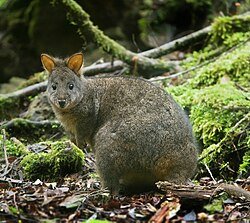
The Pademelon
Pademelons are small marsupials found in Australia and New Guinea, and surrounding islands. They are closely related to rock wallabies and tree kangaroos.
Pademelons are among the smallest members of the macropod family. Mature male pademelons are larger than females, with an average weight of about 7 kg and height of 60 cm. Mature females weigh around 3.8 kg.
This is part of our Australian Back Roads and Remote Travel series.
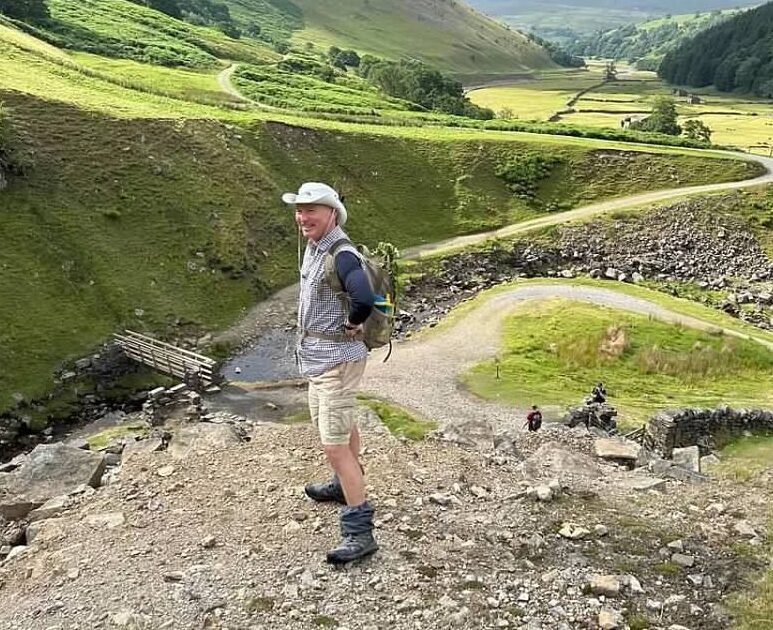
Muz lives in Sydney. When not conducting investigations he divides his time between travel adventures, backgammon, family and luring dumb fish to their demise.