
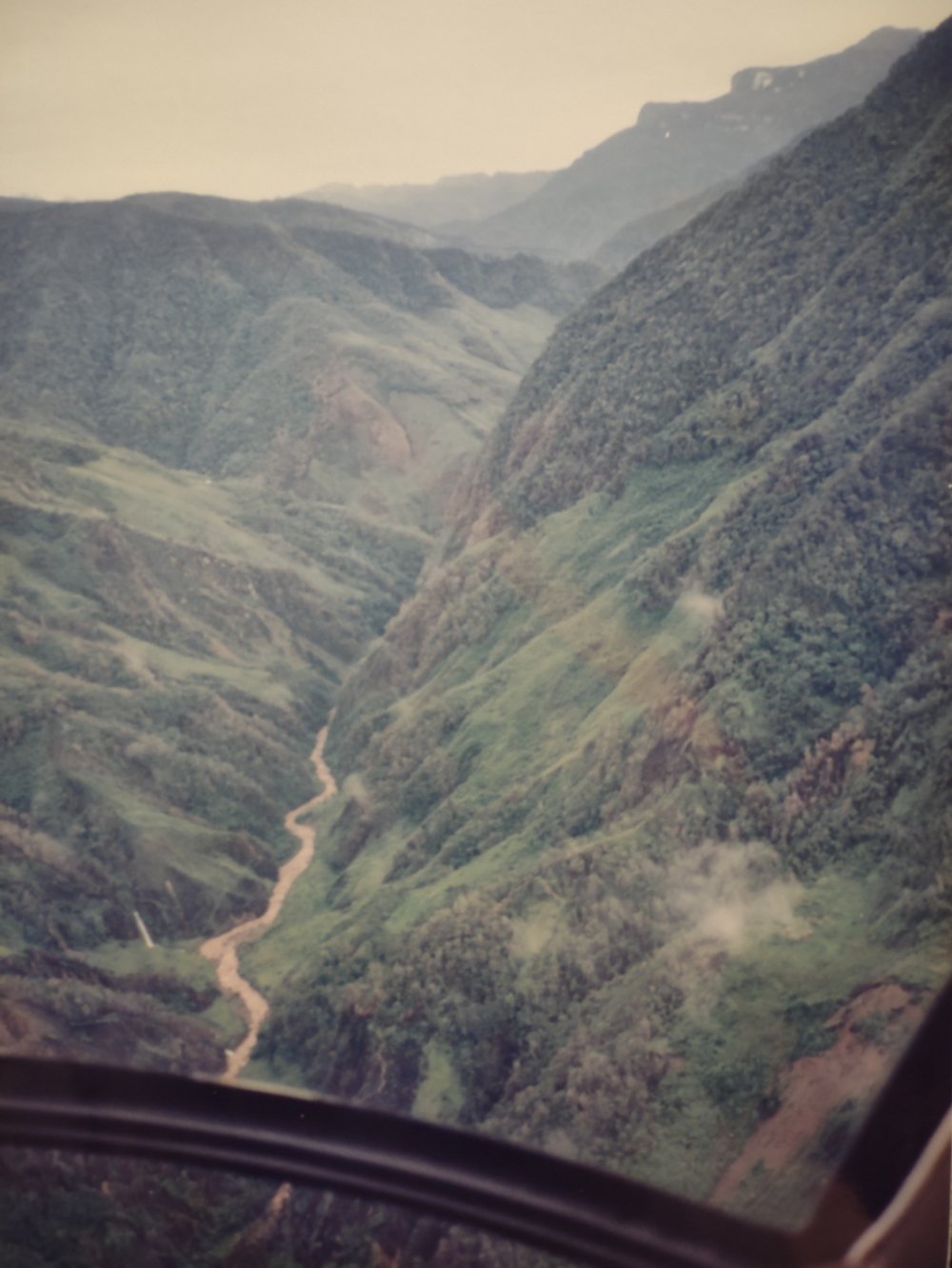
This story is part of our Remote Landscapes series.
In 1998 I had a couple of trips to Wamena, which is the largest town in the province of Highland Papua, in the middle of what was then called Irian Jaya (the Indonesian-administered western half of New Guinea island). More recently the area has been broken into several provinces, each with a variant of ‘Papua’ in its name. Facilities were pretty basic back then – in theory there was a road from the north coast, in practice it was a dirt track and was usually washed-out and impassable, making air the only way in or out.
The region suffered a severe drought in 1997, resulting in widespread famine. I joined a small military scoping team to assist planning for famine relief. This was a precursor to the Indonesian and Australian militaries, government aid organisations, civilian aid and humanitarian agencies, and church groups subsequently working to distribute food from Wamena.
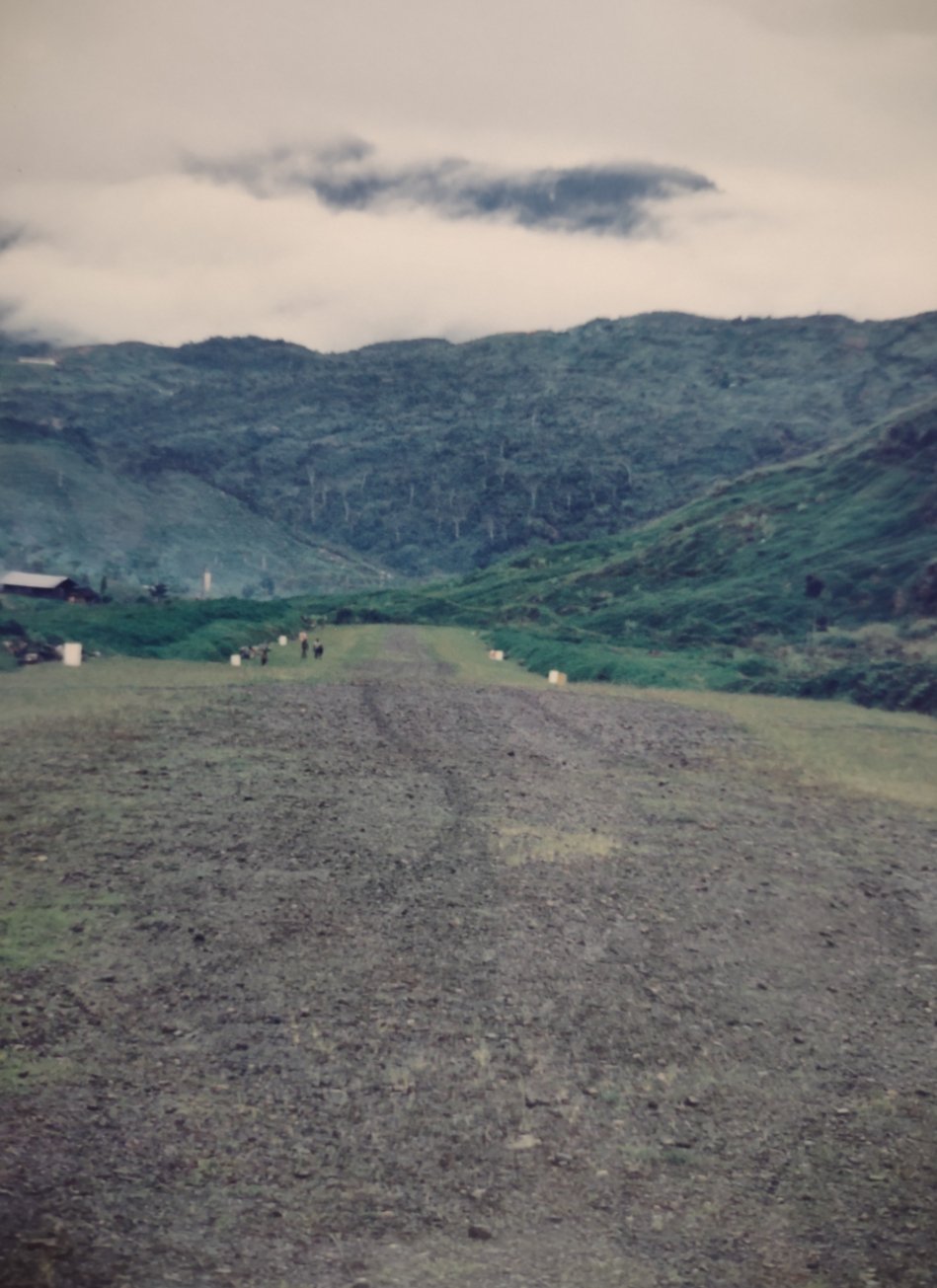
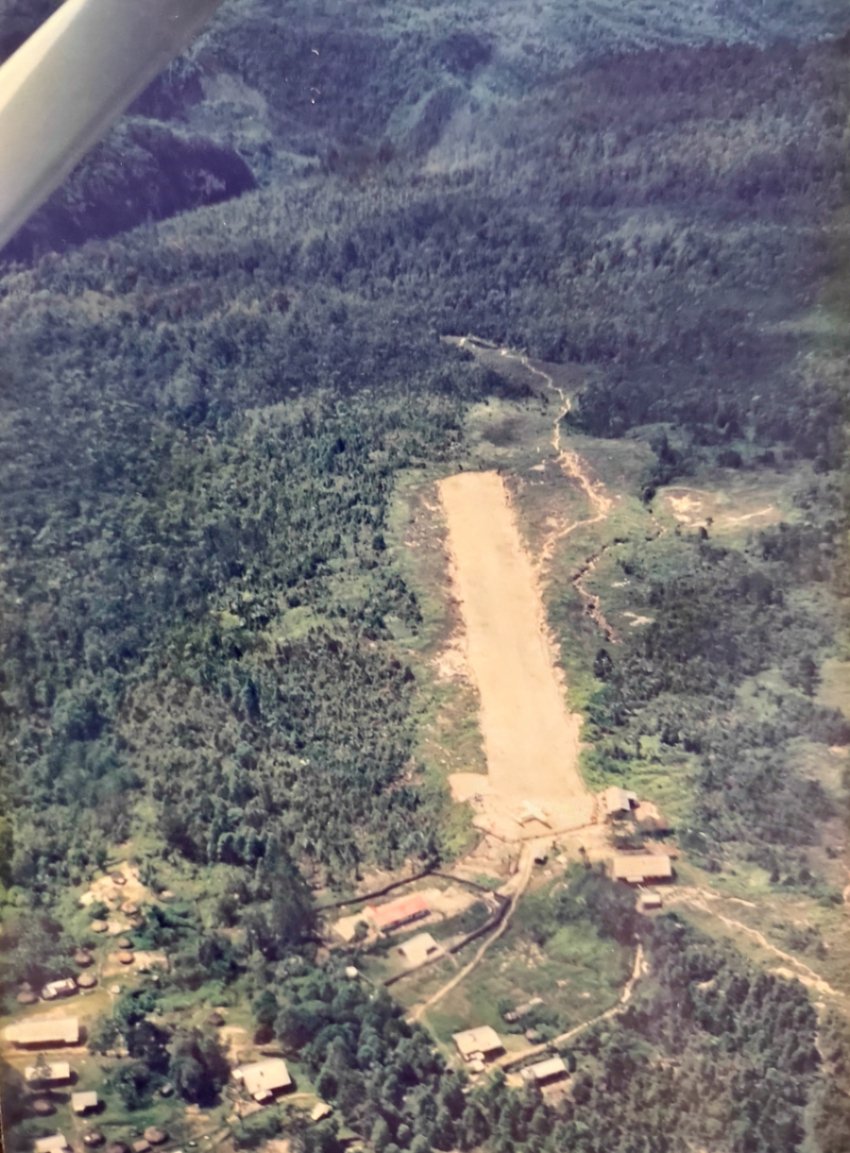
The team flew into Wamena in a C130 Hercules aircraft, in which you sit facing inwards on bench-type seats running along the sides of the aircraft. As we landed and decelerated as per normal for a plane landing, the pilot stomped on the brakes and did whatever else that wasn’t normal to decelerate a lot more, ensuring that my upper body tried to detach and slide forward into the cockpit while I was pinned by my seatbelt. It was later revealed that a dog had been on the runway in front of us and our pilot was pet friendly. I thought it a little strange, but soon learned that what passed for fencing around the airport was ignored by the locals and their pets, who regularly strolled across the runway, dodging planes while going about their business.
We settled into a hotel and commenced a series of meetings with various agencies. As famine relief wasn’t my forte, I decided that I needed to familiarise itself with the area to see if there was anything that I should be looking at. So I commenced a pleasant day of flying around the region in Mission Aviation Fellowship (MAF) planes and a helicopter, piloted by American missionaries. The Wamena MAF base comprised about eight aircraft, a number of American missionary families and a bunch of local workers supporting their good Christian activities.
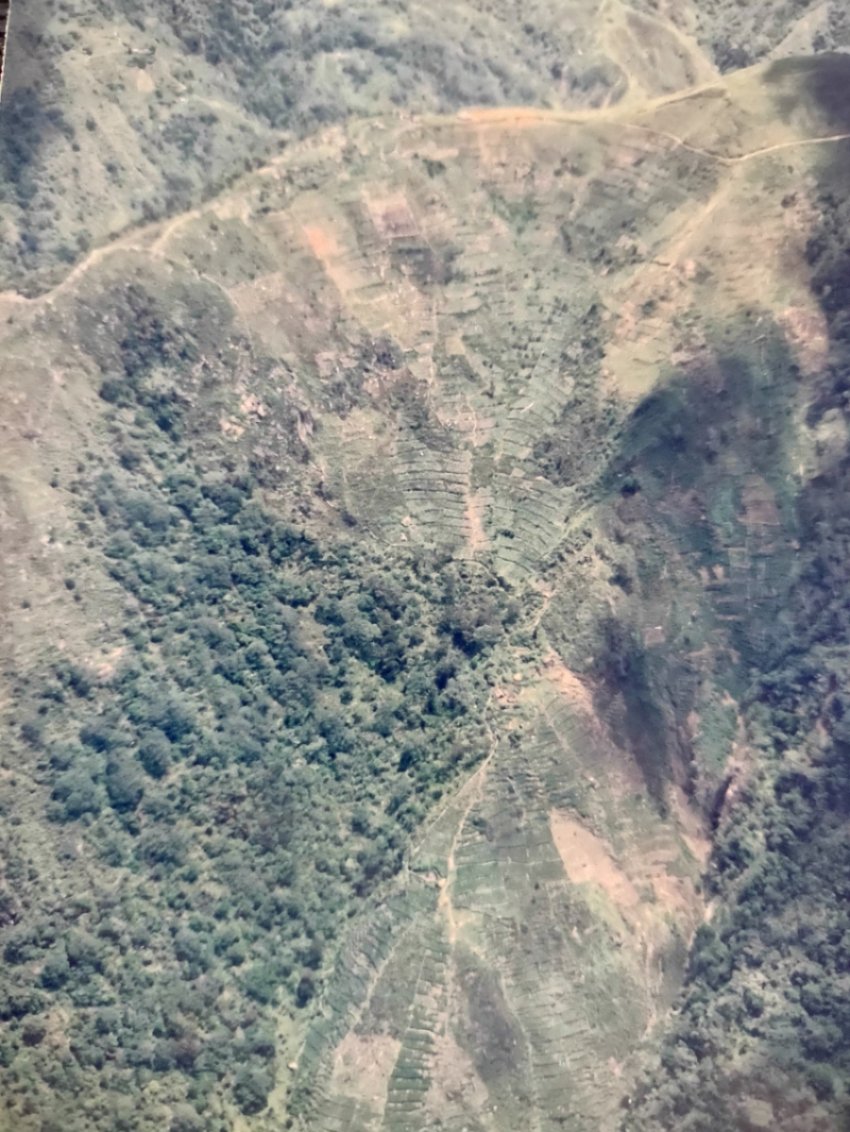
The countryside was very steep – often pretty much just cliffs covered by jungle – or with terraces hacked into the slopes for crops. The landing strips were very rudimentary – the aircraft wheels had mudflaps to tame the rocks and mud. One strip undulated so much I thought the tail would hit the top of each mound as I watched a plane take off. On one steep strip, as we taxied a large Cessna up the hill to the turn around point, another smaller plane was parked there, stopping our turn in the confined space. The pilot just dropped it down a gear and chucked a U turn with a quarter of our wing going over the top of the wing of the other plane, with easily a foot or two to spare as we bumped around on the rough dirt. It was very rough country, very skilled pilots (as evidenced by them still being alive) and very scenic.
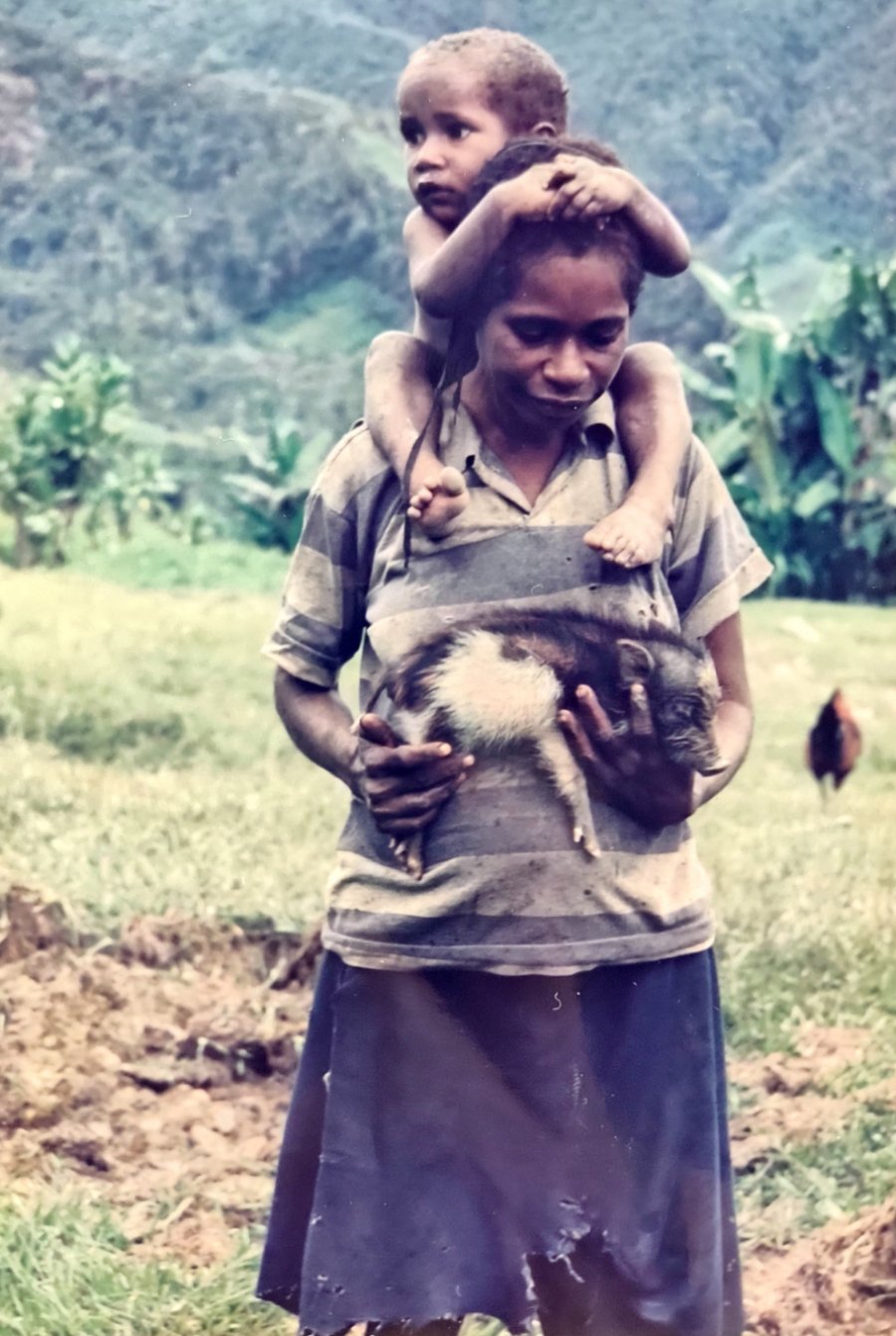
I was choppered into a typical small subsistance tribal village which dot the countryside and are connected only by walking trails. In the village, the only manufactured items I saw were an aluminium cooking pot discarded in the bush, a key tied around a girl’s neck, and some items of western clothing. The huts, tools, utensils and everything else was made from jungle materials. They were also very fond of pigs.
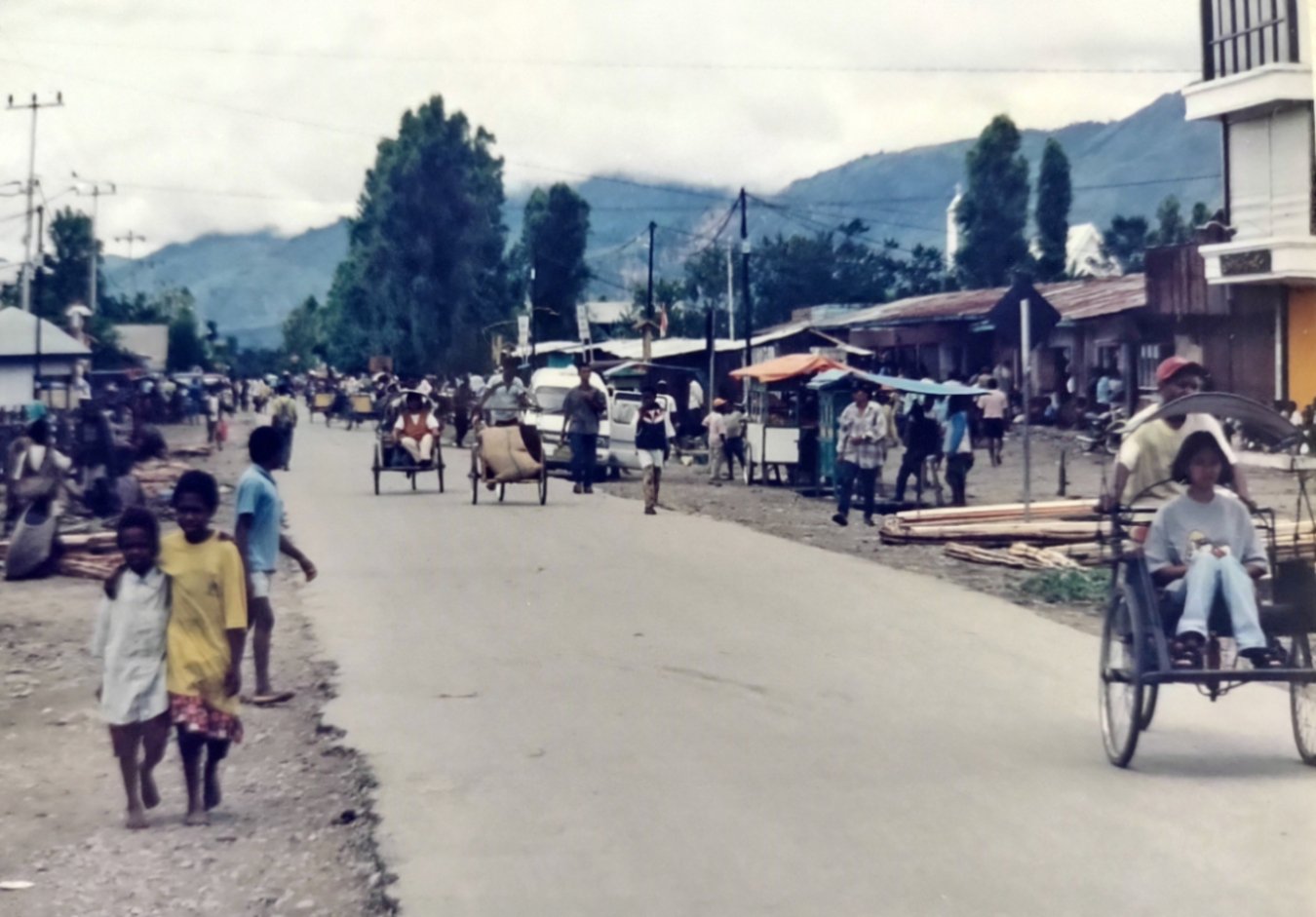
Alcohol was (and still is) banned in the province, but beer was quietly supplied by the Indonesian military – we just needed to stay in the hotel while drinking it. Illicit home-brewed alcohol, known as minuman local, was to be avoided. For the military, Wamena was a ‘wet’ posting, meaning that money could be made on the side. There were also indications that the military flew in half a dozen prostitutes for the famine relievers, I guess to provide comfort after a hard day handing out rice.
While walking around town and its surrounds, the tropical rainforest climate was very pleasant. Less pleasant was that I would commonly attract up to 20 locals following me, holding my arms, trying to sell souvenirs and not wanting to take no for an answer. I surmised there must be a training course for tribesmen as they all had exactly the same spiel and hand gestures to extract some rupiah from foreigners. This included tales of travelling a long way over many high mountains, being hungry and sleeping on the ground. Taking a photo of such entrepreneurs cost 1,000 rupiah (about 20 cents AUD at the time).
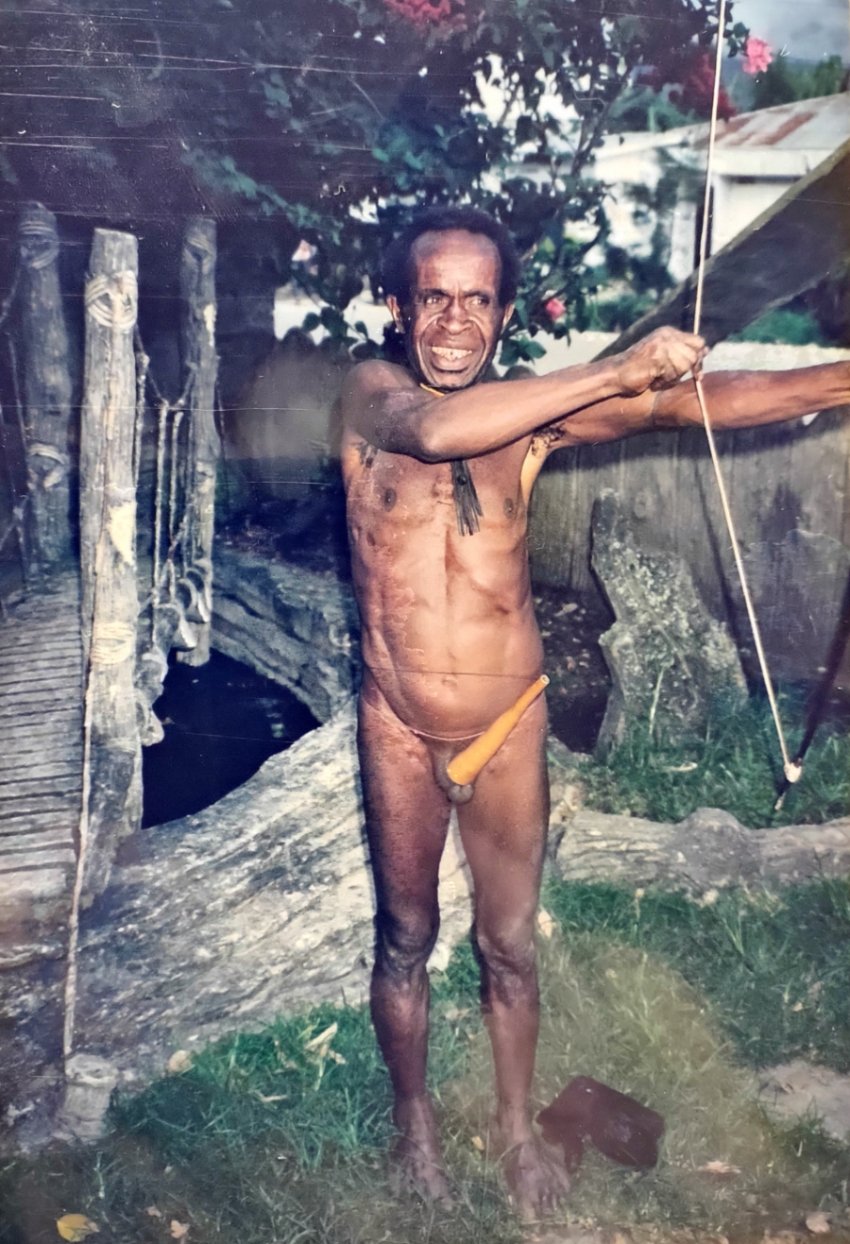
A custom of note was tribesmen wearing only a koteka – a traditional penis sheath made from a dried, hollowed-out gourd, tied with a piece of string around the waist. Some men preferred long, thin, curved ones, while others liked something shorter, fatter and straighter (in which they could fit more tobacco and other valuables).
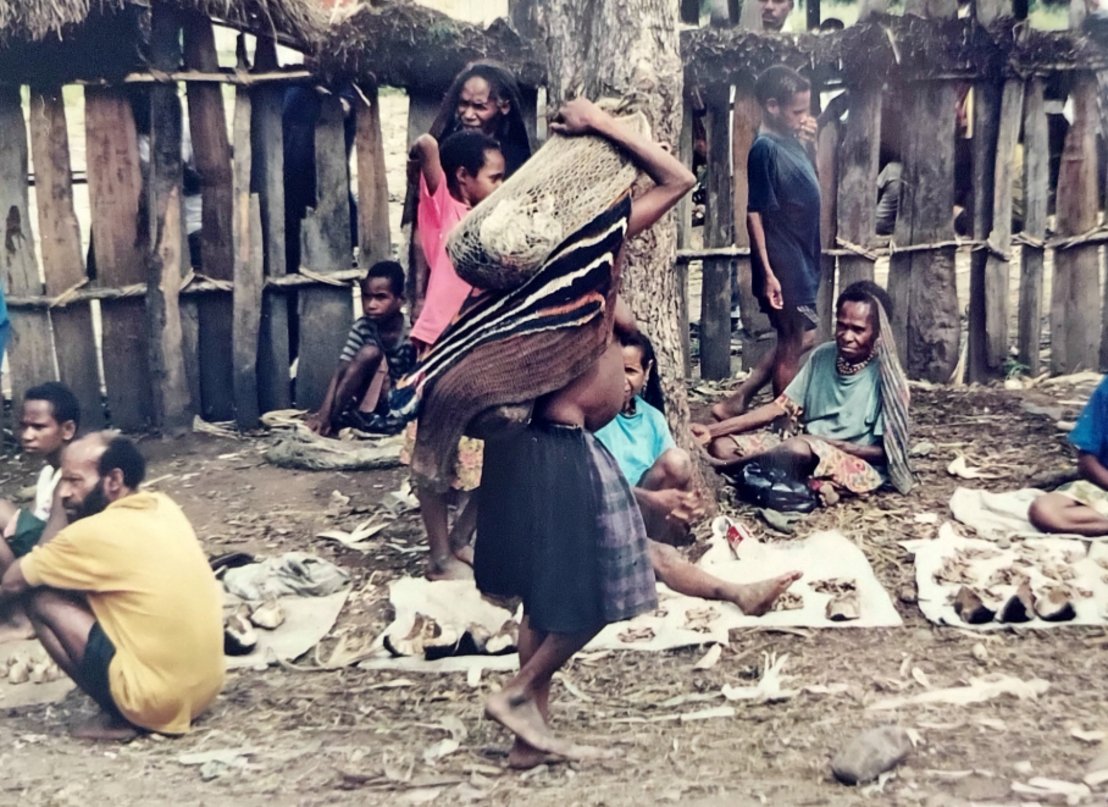
The local markets, with obligatory wooden fence and imposing gateway, were a filthy and fascinating collection of mud, veggies, fish and randomly chopped meat. An old woman washed her stock of carrots in the manky roadside monny drain to make them nice and bright orange to sell. Whole cow’s heads were available but you’d need a very big pot for cow’s head soup. And speaking of pot, that was openly available too.
These days, Google tells me that Wamena has grown and modernised considerably and the tourism industry has developed, but is still limited. A number of small airlines fly there, and the road from the north coast is due to be finished in 2026. Currently the 565km to Wamena takes 15 hours in a 4WD, with no guarantee of making it all the way. The surrounding Baliem Valley also has trekking, mummified ancestors, traditional villages and lots more for the adventurous traveller. There’s a very high HIV rate, if that’s a holiday concern for you. Civil unrest and rioting, due to a variety of issues, periodically leads to clashes with the police and military resulting in double-digit death counts, so check local conditions before you go.
Neale is a former defender of the nation with a natural inclination to avoid most people. He enjoys travel to random, hopefully sparsely populated, locations with interesting architecture, old trains and cemeteries. He is retired and lives near Newcastle in a large patch of vegetation.
Colleagues informed me Wamena is to be avoided at all costs. Yet from your descriptions it seems a paradise. I am surprised tourism is yet to take off in Wamena. Are there any negative issues to consider?
I think your colleagues have given you very sage advice. But, for an experienced trekker like yourself there’s probably nothing there that you haven’t experienced before – like don’t drink the water, and don’t poke the bears.