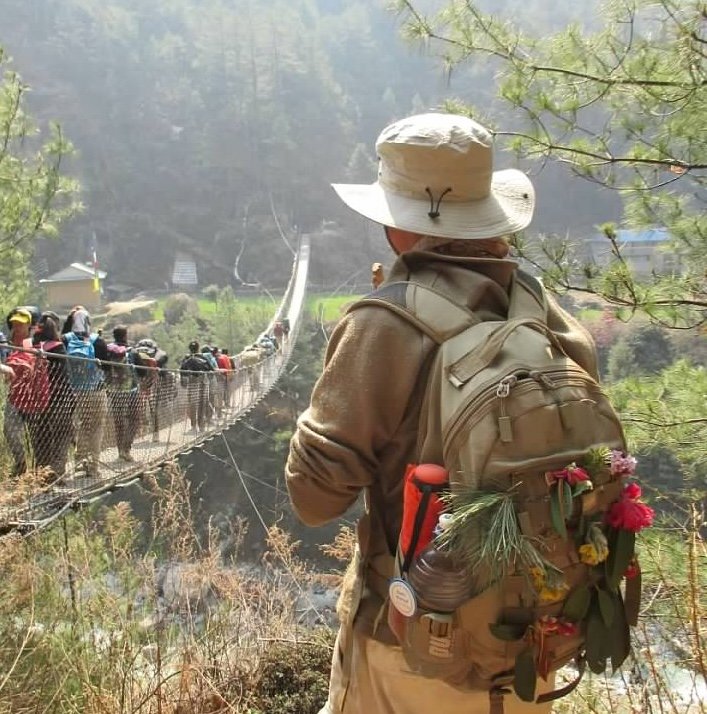
In 1988, I completed the Everest Base Camp trek. Nearly thirty years later I was back. Join me as I reflect on how the passage of time has affected this rite of passage. The trek has changed. I have changed. Mostly for the better. Yet much seems eternal – Shangri La.
This story is part of our Walking, Hiking and Meaningful Routes series. Read more here.
Kathmandu
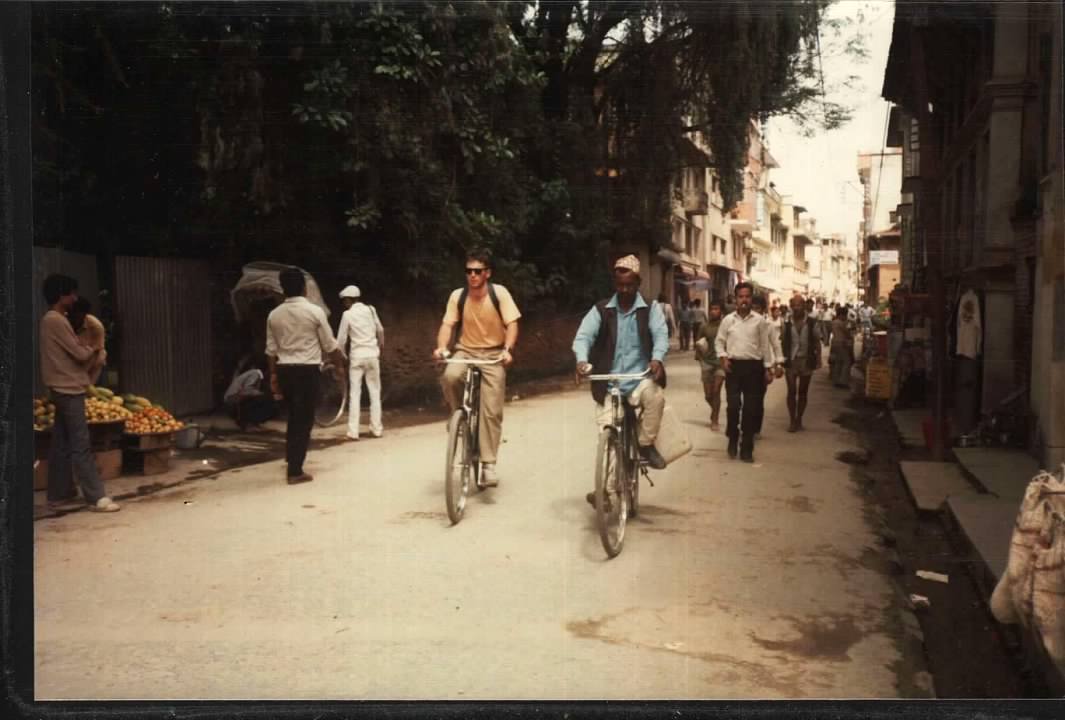
Most Himalayan journeys begin in Kathmandu. It was and remains a bustling hub – especially Thamel, the most touristy area of the city. Before the narrow streets were unpaved and lined by street sellers. There was foot traffic, bicycles, animals hauling carts and pedestrians. The occasional motorbike or car. For a few rupees I traversed the city on a rental bike.
Now the streets are crammed. Pedestrians weave around parked and crawling cars. It is no longer a place I would cycle.
In 1988 Nepal was the second poorest country in the world. Most foreign currency came from the pensions of Ghurka soldiers. Living standards and infrastructure in Kathmandu have improved.
Thamel remains the area to purchase any items needed for the trek. Climbing gear, cold weather sleeping bags. Much of this was and remains used equipment from climbing expeditions donated to Sherpas then sold to trek shops. But there are bargains. If you have time wait until you get to Kathmandu for anything related to trekking. Quality boots, balaclavas, sleeping bags both new and used are all available.
In the past the pervasive aroma of hash was ubiquitous. It was legal. I met travellers who went to Nepal and never left Kathmandu. I suppose they travelled in the mind. It was common on the trail to see locals rubbing marijuana leaves before scraping a blade edge over their hands to remove the brown sticky sap that was to become hash.
Onward to Lukla
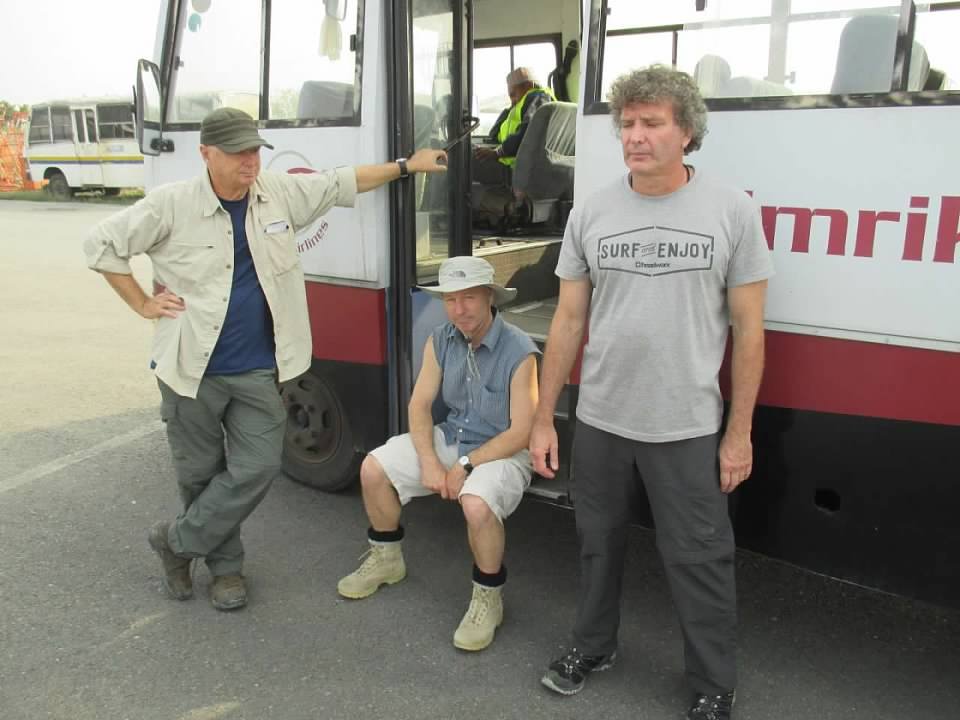
The flight to Lukla remains an adventure. The white knuckle flight by twin engine Otter through thin air below the peaks finishes at Lukla’s airstrip carved into the mountain. Avoid viewing on YouTube the many unusual landings here. The flights are frequently delayed or cancelled due to mountain weather. In 2017 we endured boarding and disembarking numerous times over a two day delay.
Namche Bazaar
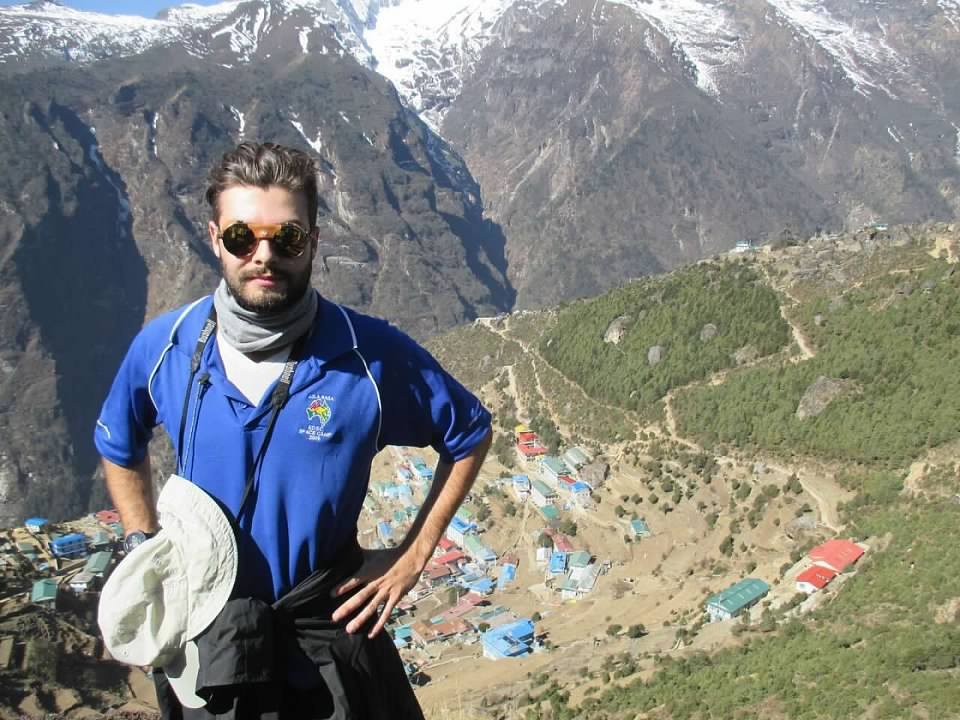
The so called ‘Sherpa capital’ Namche Bazaar is a hub and the usual first stop en route to base camp. It historically provides additional support staff, provisions and altitude acclimatisation. Like Kathmandu it has become paved and now offers additional services such as karaoke, nightclubs overpriced drinks as well as designer items. No McDonalds – yet.
Sherpa Support
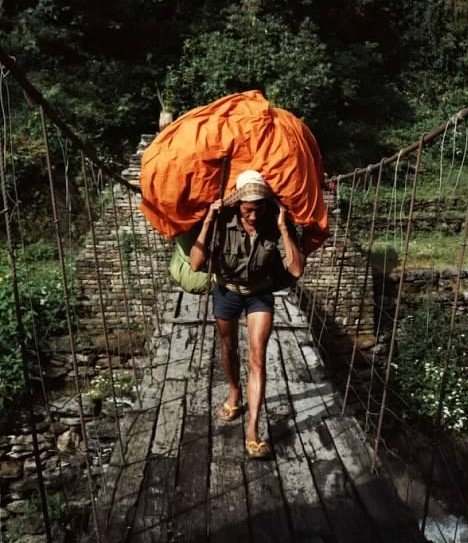
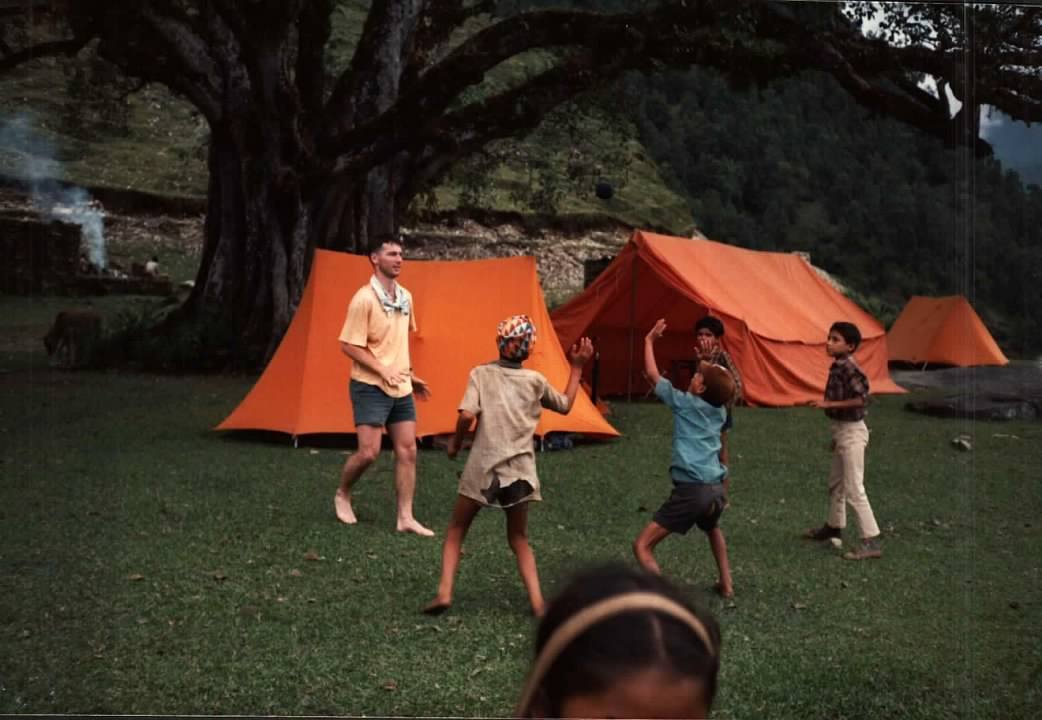
In 1988 the trek was an expedition supported on the backs of Sherpas. They carried everything. All the tents, the mess tents, stools, cooking equipment, food and of course trekkers’ additional items. Thankfully, the working conditions for Sherpas have benefitted from legislation. There is now a limit of weight a Sherpa can be asked to carry and a limit on how much weight each trekker can bring. I shudder at the extraneous gear some trekkers would take, such as large tripods. As the days went by some Sherpas would be paid off as consumables diminished.
The Sherpas used to evacuate sick and injured using an A-frame on their back. Now helicopters with stretchers attached are a frequent sight in the skies over the valleys.
The Sherpas now are better clothed. In the past it was common to see porters walking across snow in wet tennis shoes or even sandals! It was encouraged to donate footwear and clothing at the end of the trek. I think the Sherpas sell these to trek shops in Thamel.
Today the expeditions rely on the free-standing inns that have been constructed on the route. Although generally flimsy, they provide spartan rooms with a bed and a mattress and not much more. Trekkers use their own sleeping bags. Meals are also provided.
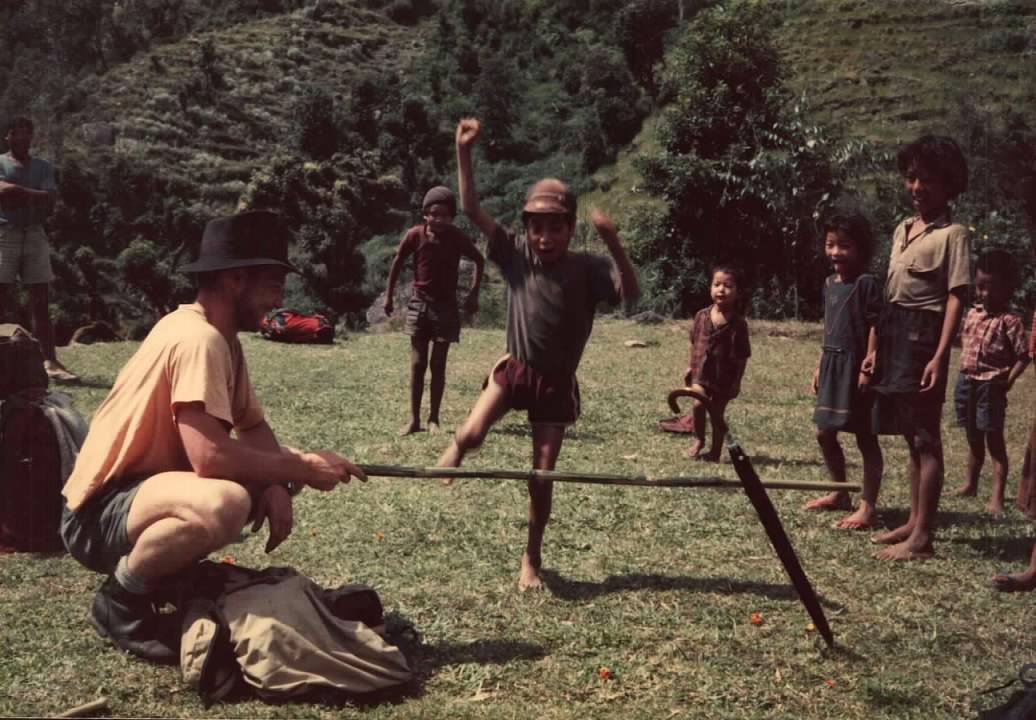
The Sherpas remain open and cheerful people. They are proud, many with generations of relatives who have been climbers, guides and porters. They happily share their vast knowledge and incredible tales of courage, sacrifice and endurance. Those who ignore their advice do so at peril.
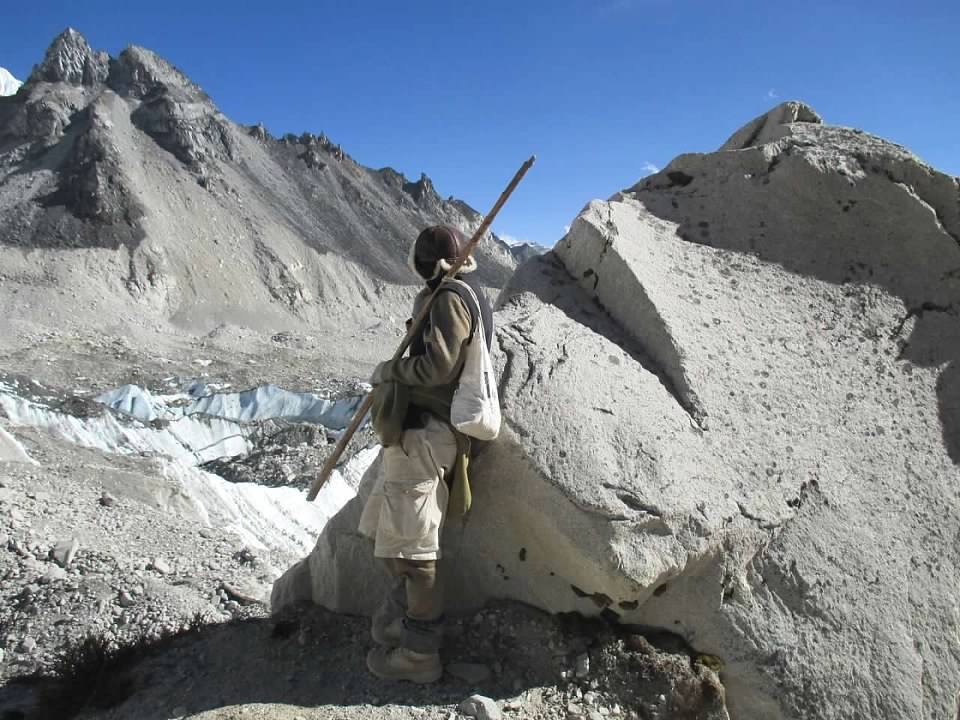
Rubbish on the trail
Sadly, thirty years ago, litter was a characteristic on the Everest base camp trek. There was no incentive to carry it away. Thankfully an aid organisation now pays Sherpas to backload rubbish. Sometimes the good old days were not so good.
Crowds
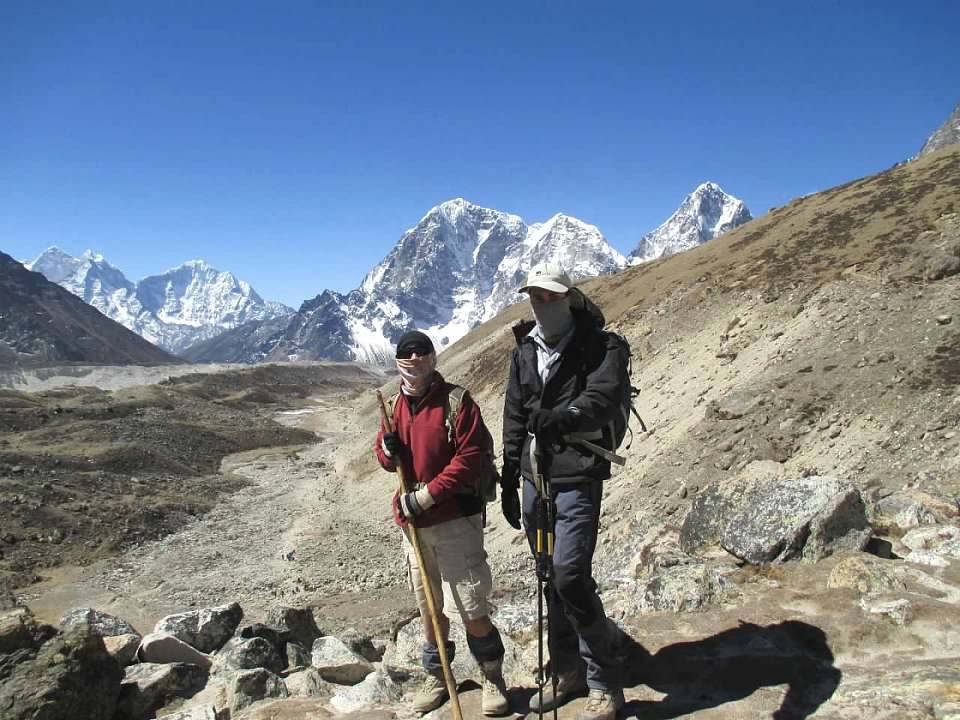
The trek is more accessible now but entrance to the National Park is monitored to control numbers. True, at times the line of trekkers up a long hill resembles a colourful ant trail. But the further you progress there are hours when you will hardly see another soul. The solitude makes it more worthwhile, along with not being overtaken by Japanese octogenarians.

Costs
The base cost of a trek is comparatively significantly less now. This is partly because the infrastructure en route dispenses the need for your own logistical support.
Purchasing items has always been expensive. The of price of a bottle of coke would increase each day as a porter would have to carry it another day. Prices now are more stable as most items are transported by helicopter and the distances while significant by foot are miniscule by air. But air transport means items are more expensive. At Gorek Shep (the original base camp) I baulked at paying over $US5 for a pack of pocket tissues. The shop owner told me I was over 5000 metres but fear not this week the $US15 beers were discounted at two for $US25. That was a deal I could accept.
Understanding Change
Nepal is a spiritual destination. The Buddhist culture goes beyond the colourful prayer flags, the piles of stacked stones and prayer wheels. The stones fall signifying impermanence, but are rebuilt and fall again in a cycle.
My understanding of this wonderful walk is that much has fallen away to be rebuilt. Yet much of the foundation remains. This place too has mental distractions (crowds and minor annoyances). This is only transient ‘white noise’. At any time you can look up and see the might and stature of the Himalayas. Look around and breathe the scent of the Rhododendron forests. Listen to echoes of unseen avalanches and the constant water crashing in rivers gorged by melting snow. These have always been there and always will be there to lift you to a better place as they did for me thirty years ago, today and for others in another thirty years.
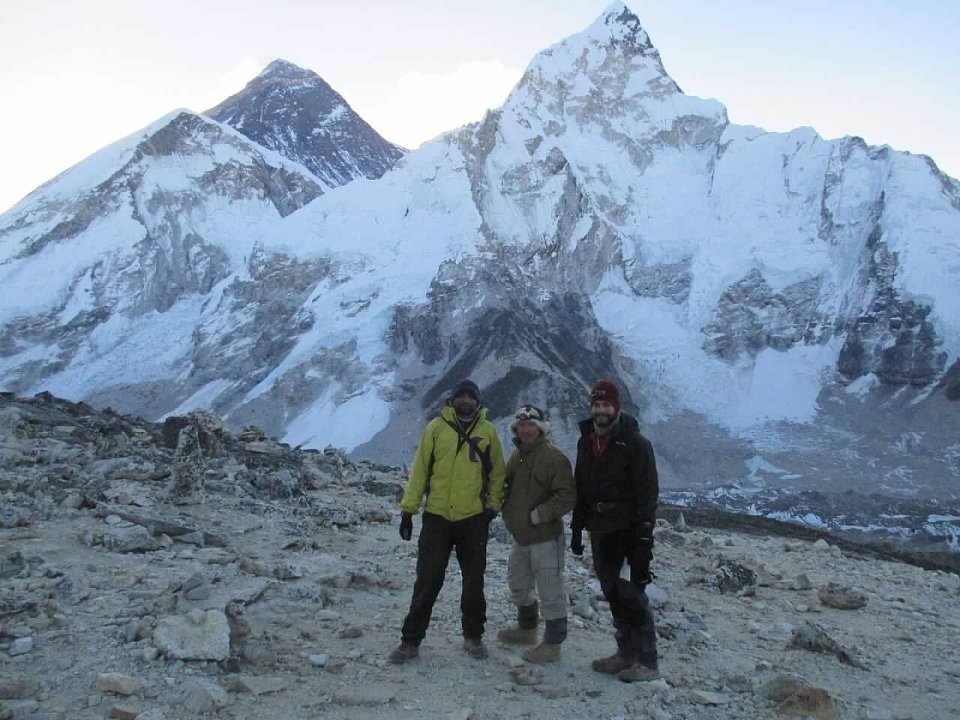
Muz lives in Sydney. When not conducting investigations he divides his time between travel adventures, backgammon, family and luring dumb fish to their demise.