

Up in the mountains of Gran Canaria, one of the main islands of the Canary archipelago, are cave houses. In pre- Hispanic times, the Guanches lived in them, grew and stored food and also buried their dead in these caves.
Today local Canarians still live in them or use them to for shops and restaurants. Other caves are protected as sacred sites.
I visited one of these houses in the Barranco de Guayadeque, (‘a place where the water flows’). They are small but have great insulation from the heat of summer and the cold of winter.
The ravine itself is very fertile and home to more than 80 native species of flora and fauna, including lizards and tabaiba plants which were used to extract a sap similar to latex.


Who were the Guanches?
Over a thousand years before Spanish colonizers arrived in the 15th century, the Canary Islands were inhabited by the Guanches, an indigenous people of North African Berber origin. Lacking metal tools to forge stone structures, they became masters of volcanic rock, carving out elaborate natural and artificial cave networks for homes, grain silos and sacred burial sites. Today, Barranco de Guayadeque stands as one of the archipelago’s most significant cultural sanctuaries.
The thick basalt walls of the caves absorb the intense midday heat of the Canaries, preventing it from penetrating the interior. At night, as temperatures drop in the high mountains, the stored heat slowly radiates inward, maintaining a natural indoor climate of 18°C to 20°C year-round.
If you are interested in things made of rock, interesting rock arrangements, rocks for spirituality or rocky places you can get stranded, you can browse the Journal. Have a look at Hadrian’s Wall, the Mingun Pyramid, the Rock of Doon, rock circles in the Orkneys, being stranded in the New Zealand Alps and the Knopfler Rock. Rock on.
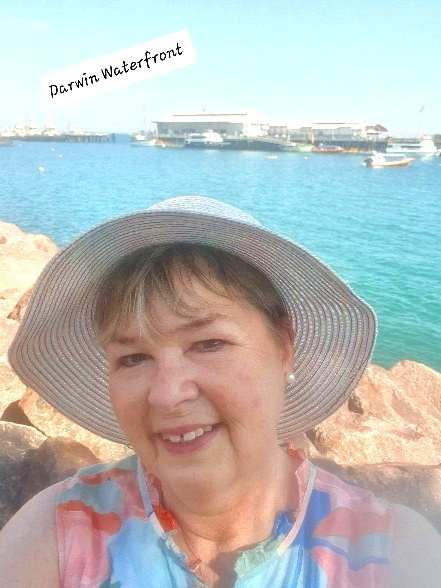
I love where I live but I also enjoy a change of scene. I love thinking of places to go and now I am retired, I am excited to explore further afield. I am a ‘gourmet traveller’ requiring some level of comfort in my accommodation and food. I also relish chance encounters with other travellers and locals. Hearing their stories and experiences adds to the flavour and perspective of the trip. I am a fan of walking in the footsteps of history and finding out about the origins of place names and buildings. Examples of local culture such as music, dance and art also always add to my travel experience.
I’m not a natural writer but it is satisfying to put my experiences down on paper as a record for others to share, along with photos of where I have been.
Great photos, Louise. I enjoyed the history. Imagine raising a family in a cave house!