Most people buy a travel or adventure bag the way they buy a snack: quickly, on looks, and hoping for the best. After two decades of building these things and carrying them across deserts, fjords and high passes, I can tell you the purchase is savvier than that — and the good news is, durability isn’t a mystery. You can judge it in sixty seconds, with your own hands.
1. Pull the zipper like you’re late
A cheap zipper is the first thing to fail, and the hardest to fix on the road. Run the tab the full length a few times, fast. It should glide smoothly with no snagging, no catching, no grit. If it sticks when new, it’ll be worse after a hundred trips.
2. Look at the seams where the load sits
Stress concentrates at the seams — the bottom, the straps, the handles, the joins. Flip the bag inside out if you can, and look at how the load-bearing seams are finished. Reinforced, double-stitched seams with taped or bound edges should last a long time. Single neat stitches through thin fabric won’t hold a full pack for long.
3. Bend the fabric and listen
High-density fabrics (420D and up) feel firmer and resist abrasion better. Crimp a corner between your fingers – cheap coated fabric cracks or feels plasticky; quality material has body and a clean finish. Matte, tightly-woven exteriors shrug off scrapes better than glossy looks-first ones.
4. Check the buckles and hardware
Tug the buckles. They should snap shut cleanly and release without fighting. Metal is usually stronger than plastic on critical points, but well-made reinforced plastic holds fine. Loose, rattly hardware is a red flag.
5. Weigh the empty bag in your hand
Unnecessarily heavy fabric adds grams you’ll carry every single day. A durable bag doesn’t have to feel like a tank. Good engineering makes strength without the weight – and that’s the craft that’s hard to fake.
The thirty-second handshake rule
If a bag passes all five checks, it’s probably going to outlast the cheap alternative by a factor of several; and it’ll be the one you reach for trip after trip. Buy the good one once. That’s the cheapest lesson the road ever taught me.
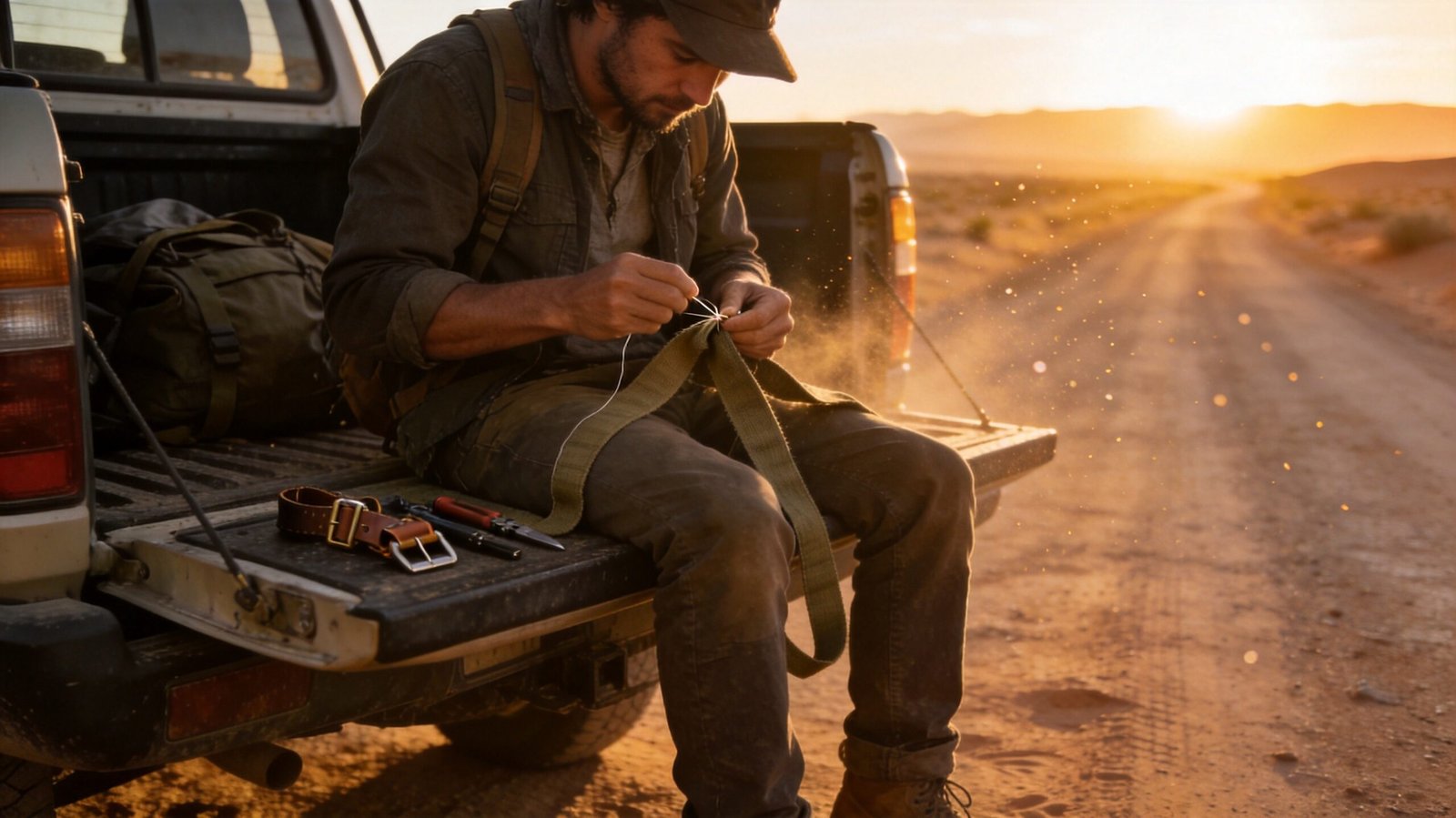
Below the article are some images from Marvin’s catalogues, demonstrating some of the equipment he manufactures. He has dedicated his working life to producing equipment to support us in our adventures, and he wholesales it throughout the world. Have a look at his website.
What you probably don’t know about zippers
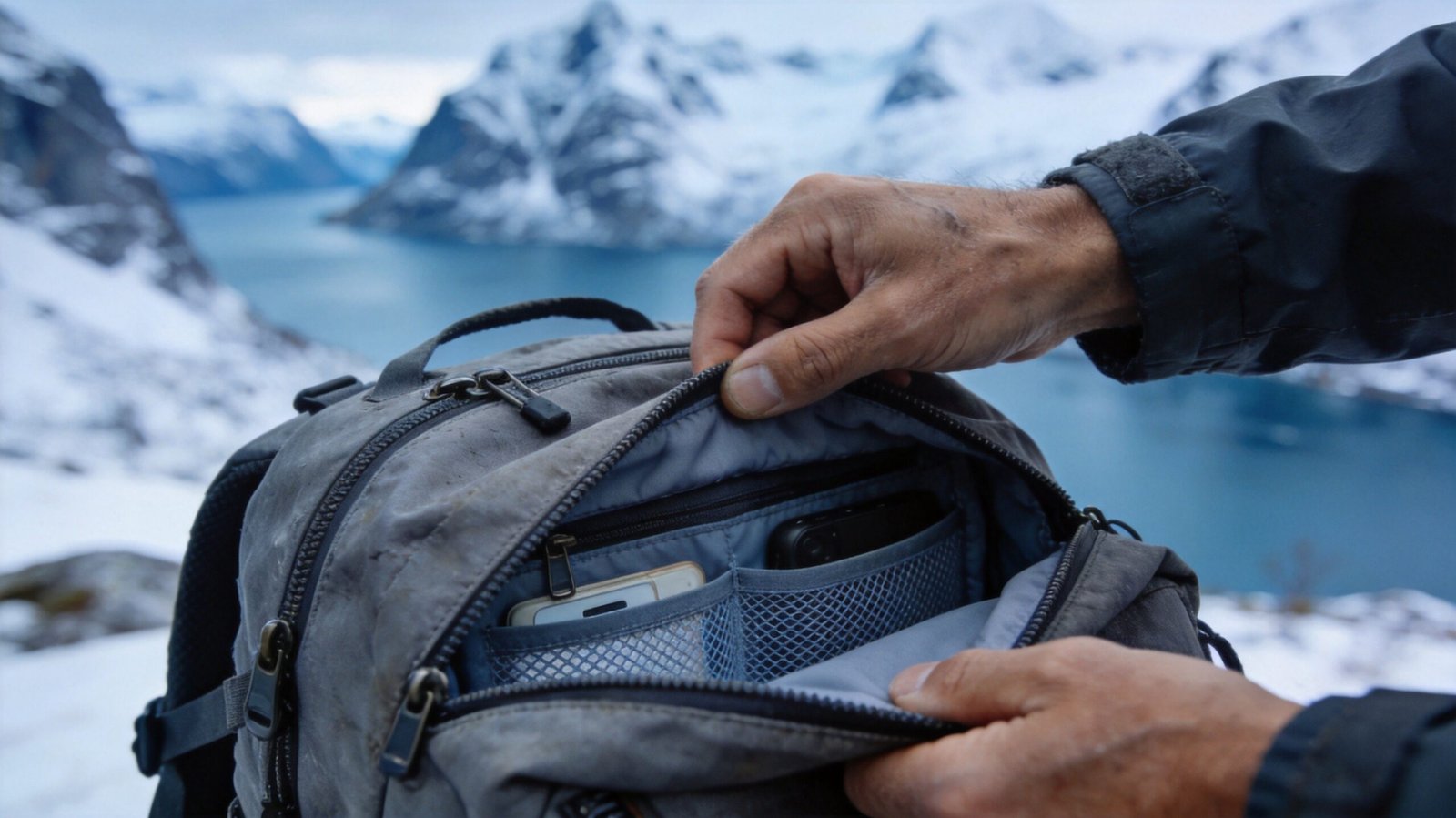
You don’t think about your pack’s zippers—until one explodes three days into a wilderness trek, leaving your stuff scattered along the trail.
Zippers are the unsung, overworked heroes of hiking gear. What makes a tough one? First, size matters: look for heavy-duty #8 or #10 gauges on main compartments. Second, the teeth need serious muscle, usually made from high-strength Nylon 6,6 or POM resin to handle frozen mornings and scorching afternoons without buckling.
The tech has come a long way since the friction-plagued zips of old. Modern trail packs feature woven-in coils, where the spiral teeth are woven directly into the backing tape rather than sewn on top. The result? They won’t snag or strip off when jammed with mountain grit. Throw in polyurethane water-resistant coatings like YKK’s AquaGuard, and your pack stays bone-dry without needing clunky storm flaps.
So next time you zip up, give those tiny metal teeth a little respect!
At the journal we welcome ideas on equipment, packing and how to get the most out of the journey. For some other posts, see Marvin’s article on what he has learned about equipment over the years, how Muz took the absolute minimalist approach to packing for a trek, and our tips on packing light for travel in Southeast Asia.

Marvin is a travel enthusiast and the founder of a Quanzhou-based backpack manufacturer in Fujian, China. His journeys across Europe, North America and Asia inspire how he designs luggage that survives real-world travel—from alpine treks to cross-border rail trips. A firm believer that good gear should disappear into the adventure, he tests every bag he makes on his own routes, chasing the story that starts where the guidebook ends.
[…] how to get the most out of the journey. For some other posts, see Marvin’s article on what to look for when buying a bag, how Muz took the absolute minimalist approach to packing for a trek, and our tips on packing light […]