Below the article are some images from Marvin’s catalogues, demonstrating some of the equipment he manufactures. He has dedicated his working life to producing equipment to support us in our adventures, and he wholesales it throughout the world. Very happy to have Marvin as a contributor; have a look at his website.
I’ve spent twenty years building bags
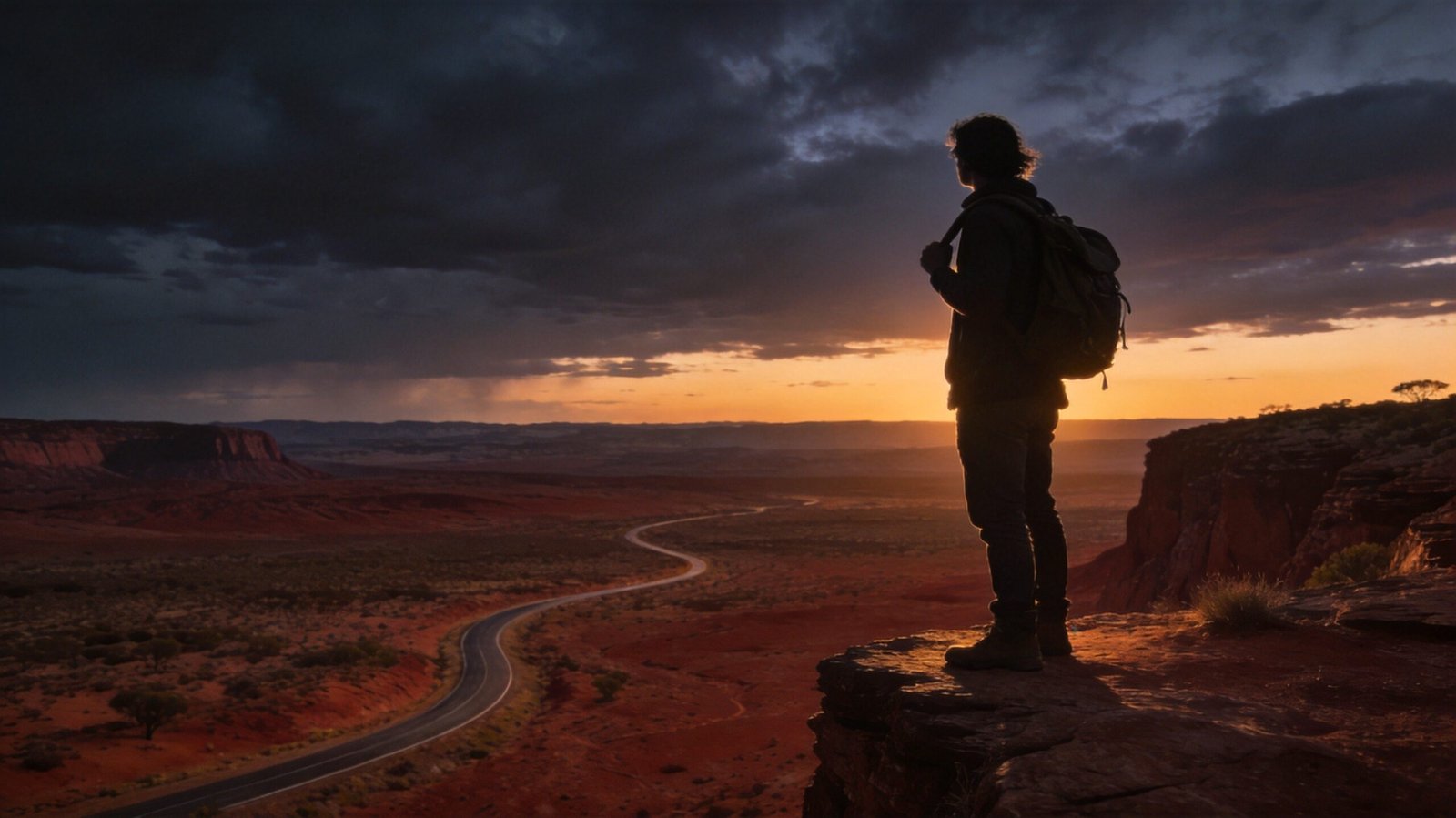
That part, people expect – it’s what I do. What they don’t expect is that half of those years I’ve spent testing them in the places they’re built for: the red dirt of the Australian outback, the wet cold of Norwegian fjords, monsoon season in the tropics, and high passes where the air thins and the temperature drops hard.
This isn’t a story about product specs. It’s about what a bag actually does to you – and for you – when the plan falls apart and you have to trust the gear you’re carrying.
The outback taught me about dust
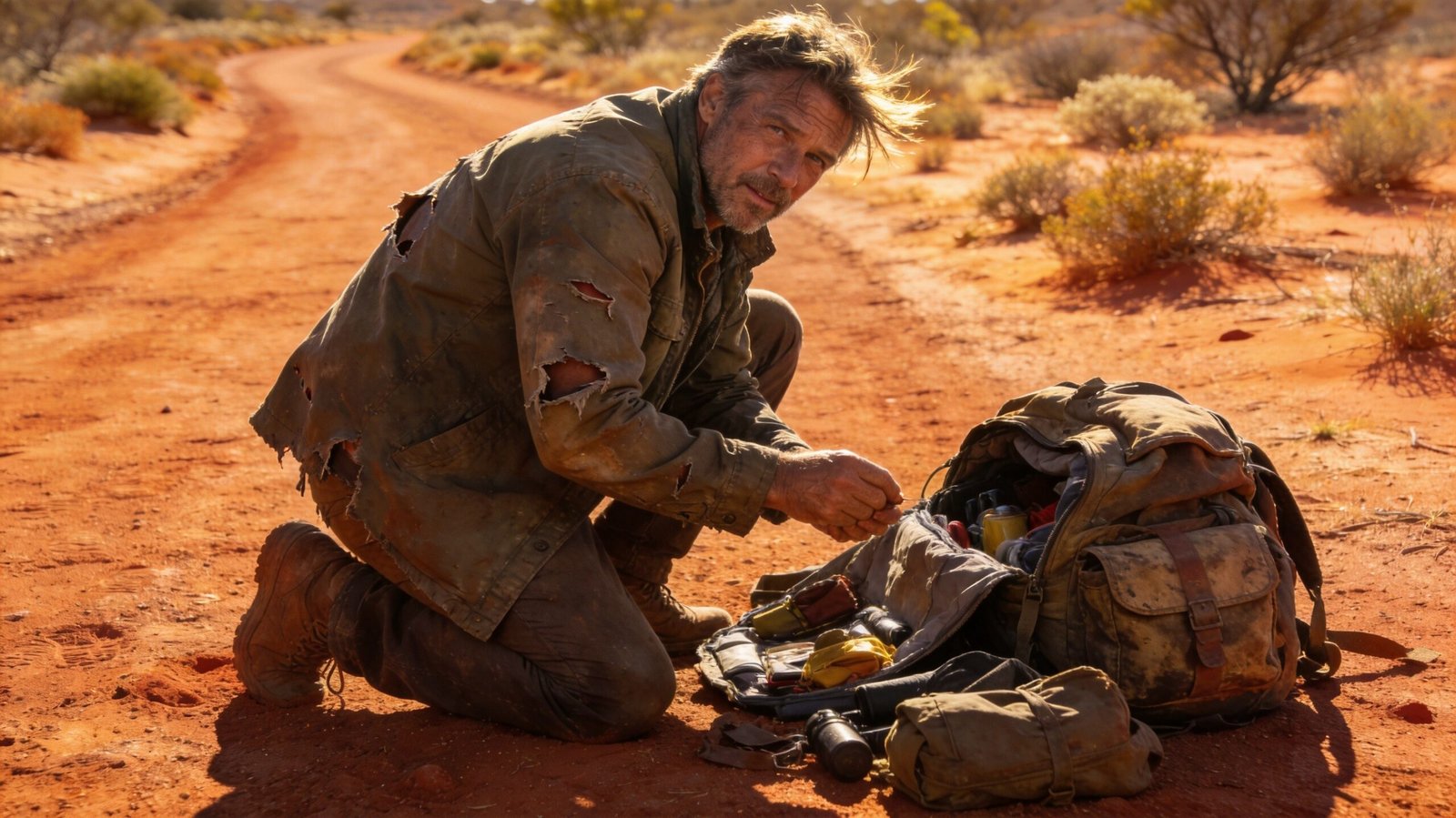
The first time I carried one of our packs through the Australian outback, I learned something no lab test ever tells you: dust gets into everything. It doesn’t matter how tightly you zip the main compartment. Red dust finds the seams, the pockets, the zipper teeth. After three days of corrugated gravel roads, my clothes were rust-coloured and my phone was in a ziplock bag I wish I’d packed sooner.
Back at the factory, we redesigned our zipper guards for dusty environments. Not because a customer asked. Because I saw what the road did.
The fjords taught me about damp
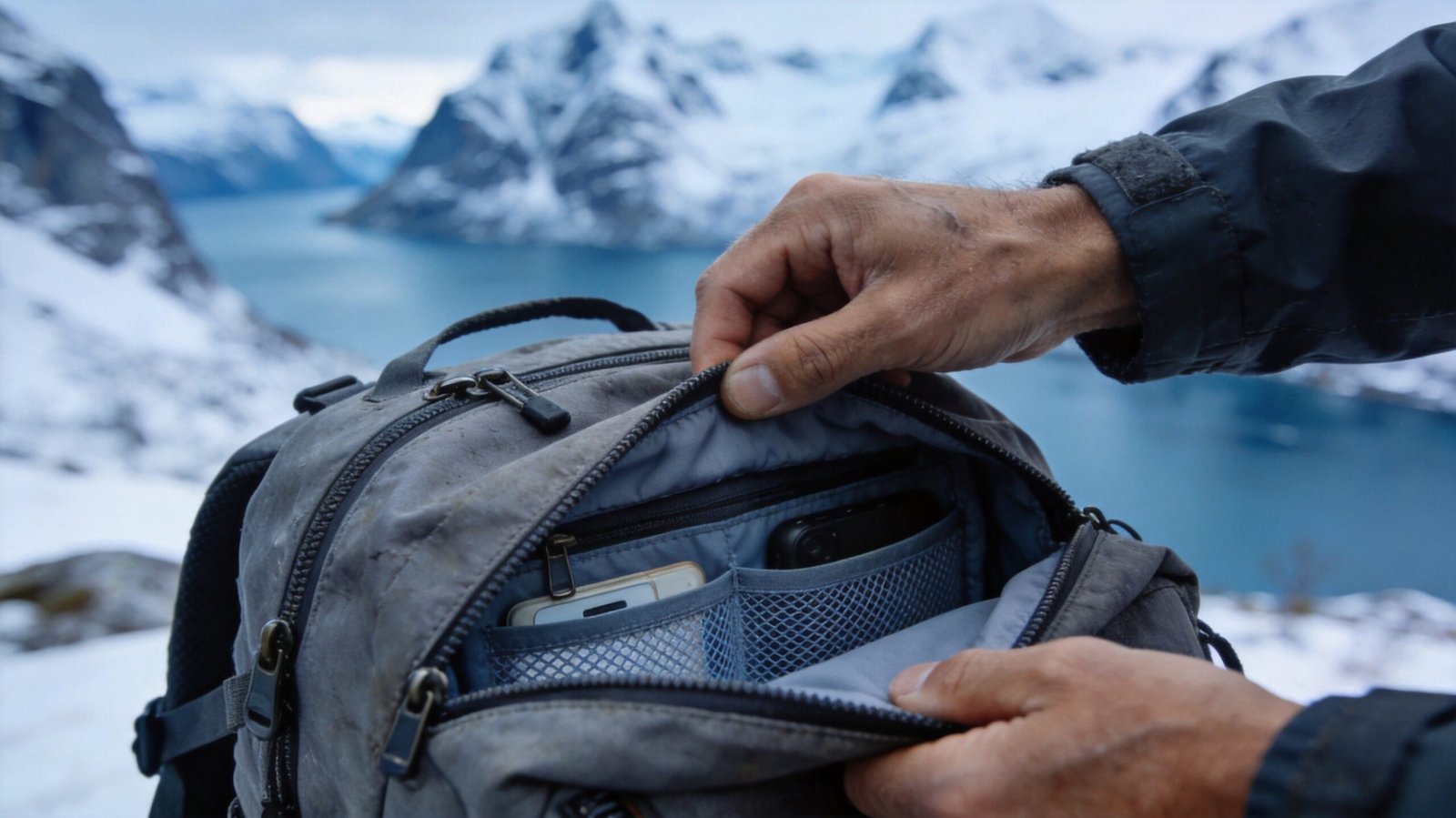
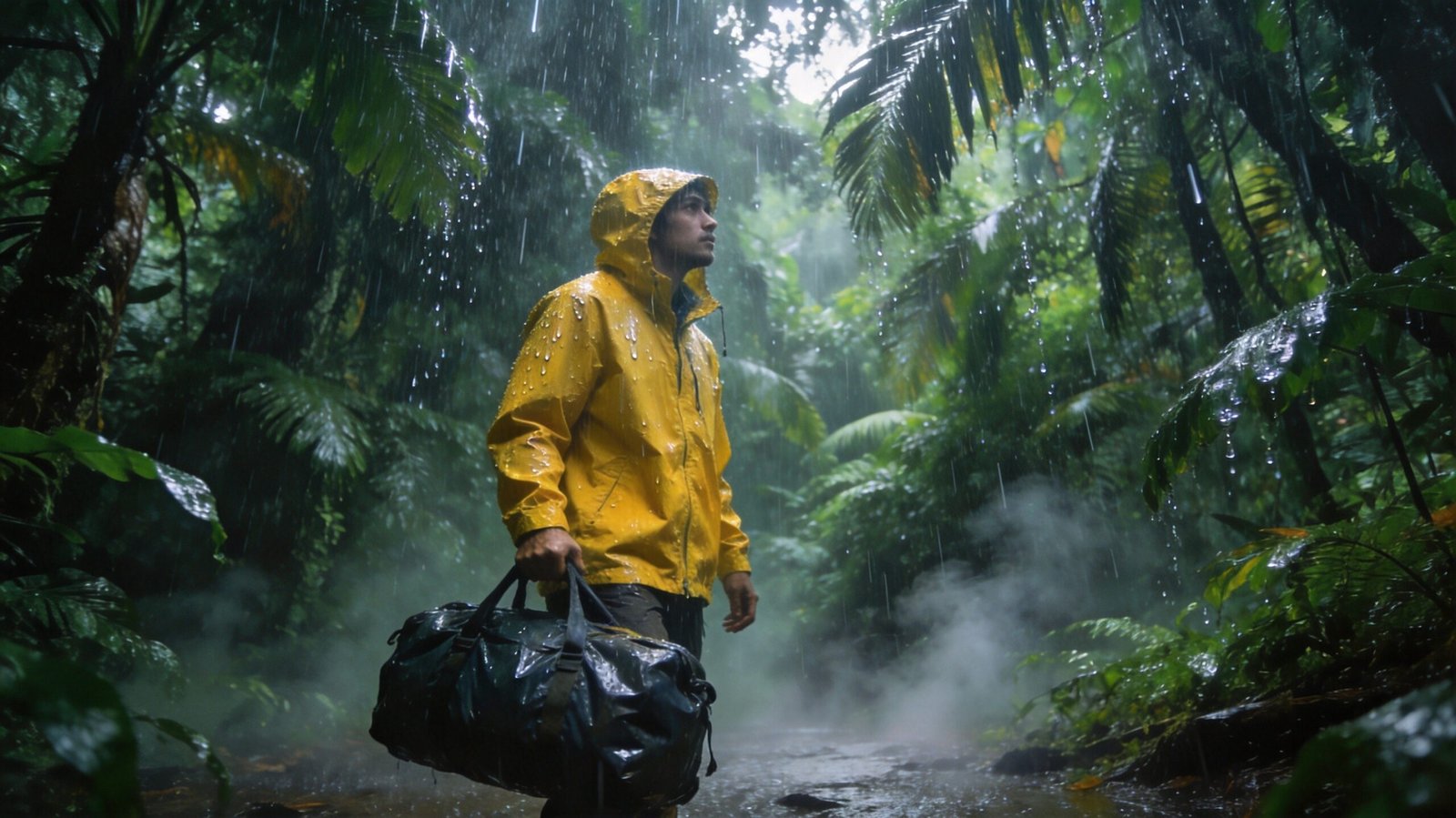
Somewhere in Norway, I spent a week hiking with a pack that couldn’t seem to dry out. Every morning it was a little heavier, a little colder against my back. The rain had found its way into everything except my waterproof liner – so the liner, at least, was doing its job.
That trip shaped how I think about storage: separate the wet from the dry, vent what needs to breathe, and never let a damp towel sit against your sleeping bag. These are the problems you only understand when you’ve carried the weight yourself.
The high pass taught me about weight
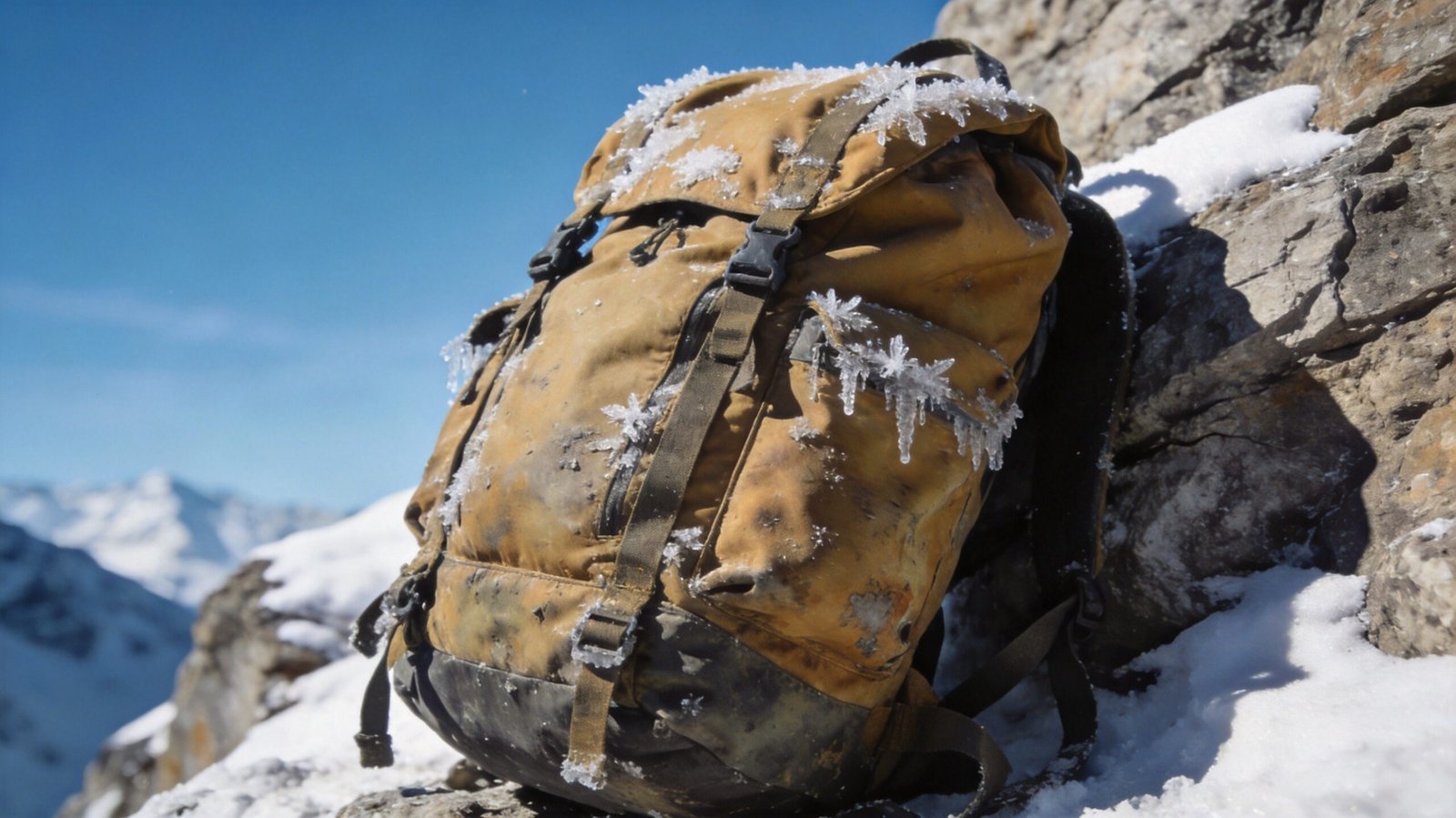
Up around 4,000 metres, every gram multiplies. You feel it in your shoulders by hour three, in your hips by hour six. The bag that felt light in the shop becomes a different animal in thin air.
I started paying attention to weight distribution the way engineers do – because I am one, and because I’d walked the miles that proved it. A well-designed harness makes a heavy load feel ordinary. A bad one makes a light load unbearable.
What I came back with
Twenty years on, I keep a simple rule: I don’t build anything I wouldn’t carry myself. The best gear recommendations I ever make aren’t from a catalogue — they’re from the miles where my own packs either held up or let me down.
At the journal we welcome ideas on equipment, packing and how to get the most out of the journey. For some other posts, see how Muz took the absolute minimalist approach to packing for a trek, and our tips on packing light for travel in Southeast Asia.

Marvin is a travel enthusiast and the founder of a Quanzhou-based backpack manufacturer in Fujian, China. His journeys across Europe, North America and Asia inspire how he designs luggage that survives real-world travel—from alpine treks to cross-border rail trips. A firm believer that good gear should disappear into the adventure, he tests every bag he makes on his own routes, chasing the story that starts where the guidebook ends.