In the wonderful musical comedy Paint Your Wagon, Lee Marvin sings a song ‘The First Thing You Know’, about the magnificence of nature and how people, their creations and habits ruin it all.
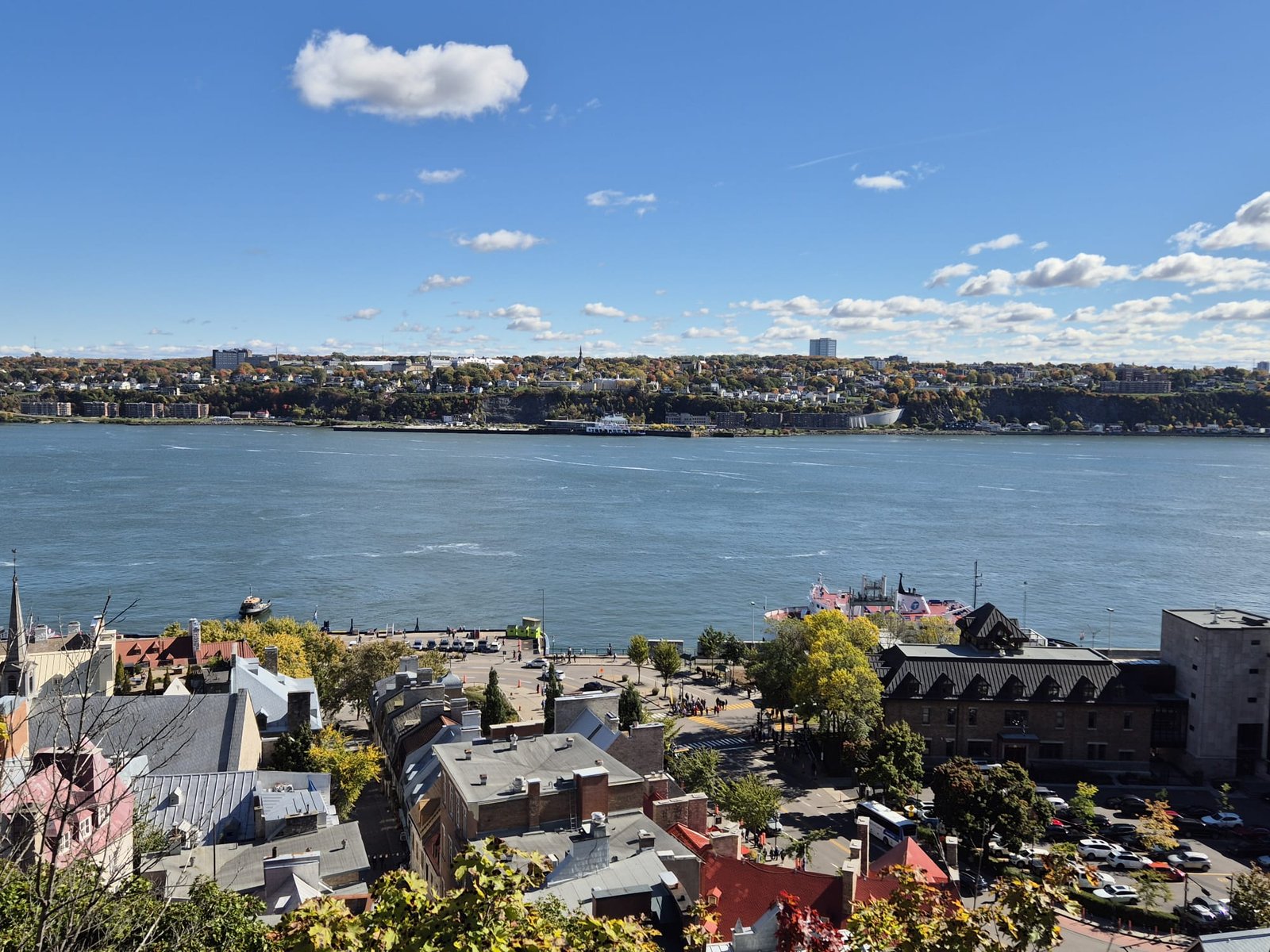
I found myself humming this tune during a recent visit to Old Quebec. Before I start, Quebec province is magnificent – mountains, farmland, forests and rivers. Particularly the St Lawrence River and the drive along the northern side from Montreal. Coming from a flat, dry place like Australia, the big rivers of North America are a sight to see. We did the trip in October as the autumn colours were approaching their best.
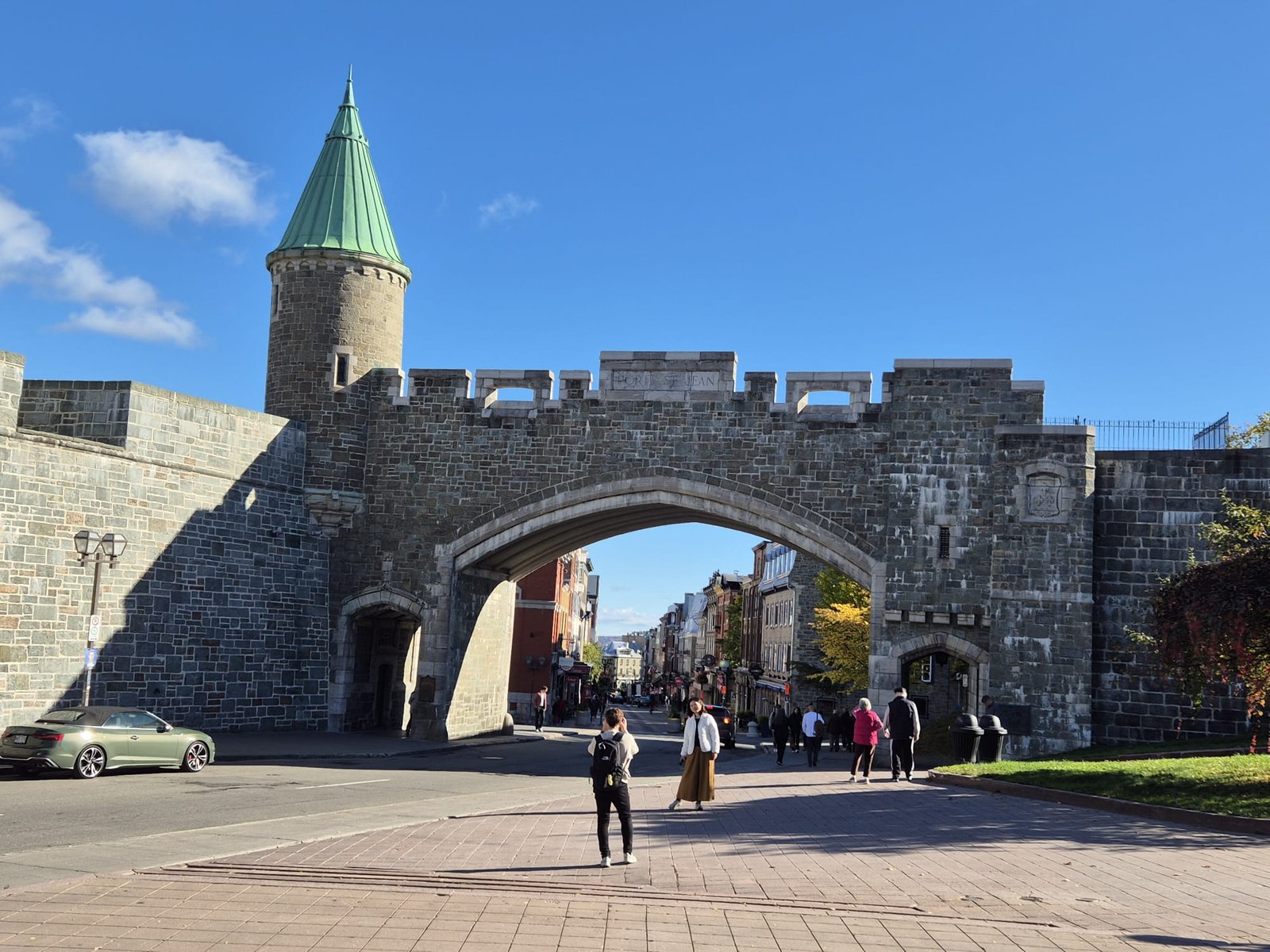
I had been wanting to visit Old Quebec for years. As a keen reader of history, I wanted to tread the paths of the early timber and fur traders and marvel at how they settled a place with such brutal winters and a complex and sometimes unpredictable native population. And to see the sites of the Seven Years War and the American Revolution… climbing the cliffs to the Plains of Abraham, General Wolfe’s body repatriated to England pickled in a barrel of rum, General Montgomery and Benedict Arnold attacking the ramparts in a blizzard on New Year’s Eve. Fires and sieges, piracy and swashbuckling.
There is a lot of good stuff there and you can wind your way from the top of the city to the bottom and see a few original buildings and interesting statues. It is truly charming. A local guide/Guru walker will take you to the less-obvious spots. And there is a tour of the fortifications which due to time available I missed.
However…beware the crush of humanity and choose your timing. We picked a Saturday; put that down to our error. But we also picked the day when there were seven cruise liners in the port, including the floating cities that are the Queen Mary 2, the Sapphire Princess and the Celebrity Silhouette (the name of the last one is enough to put me off). These three ships between them carry over 11,000 passengers, and they disgorged their loads on the day we showed up, filling the city with jostling hordes eager to hand over their Yuan and Euros.
The Chateau is a landmark that dominates the skyline…it features in all the photos. I don’t know what I thought it was, but naively attributed to it some historical significance. Nope. It’s a hotel and that is all it has ever been. It dates back to 1893 and was the site of the D-Day planning in World War 2. The latest wing was built in the 1990s to add a pool and spa and thus retain its 5-star rating. You can’t go in there unless you are a paying guest, and a cheap room will set you back $1000 or so for a night. Presumably this includes all-you-can-eat waffles the next morning.
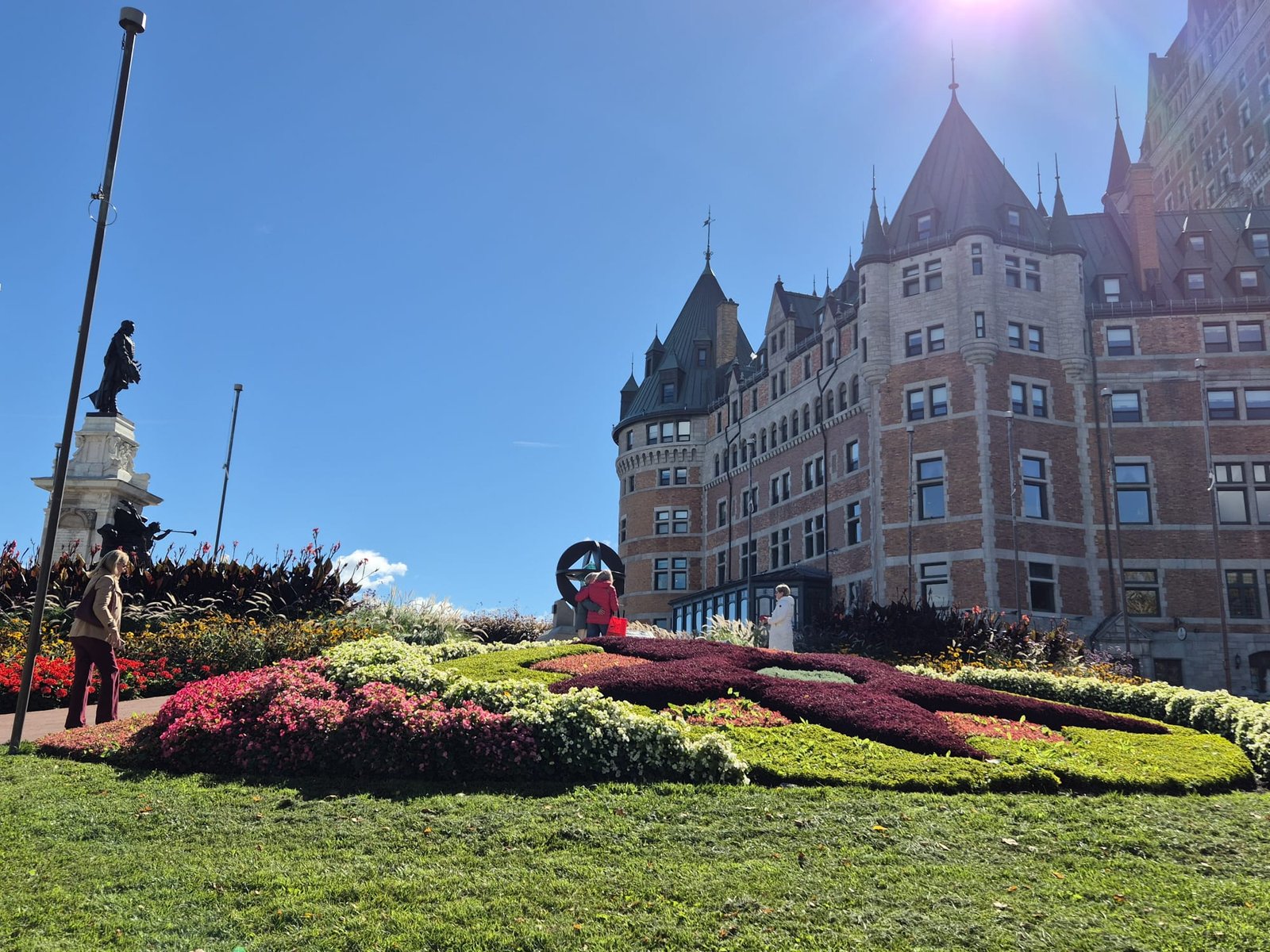
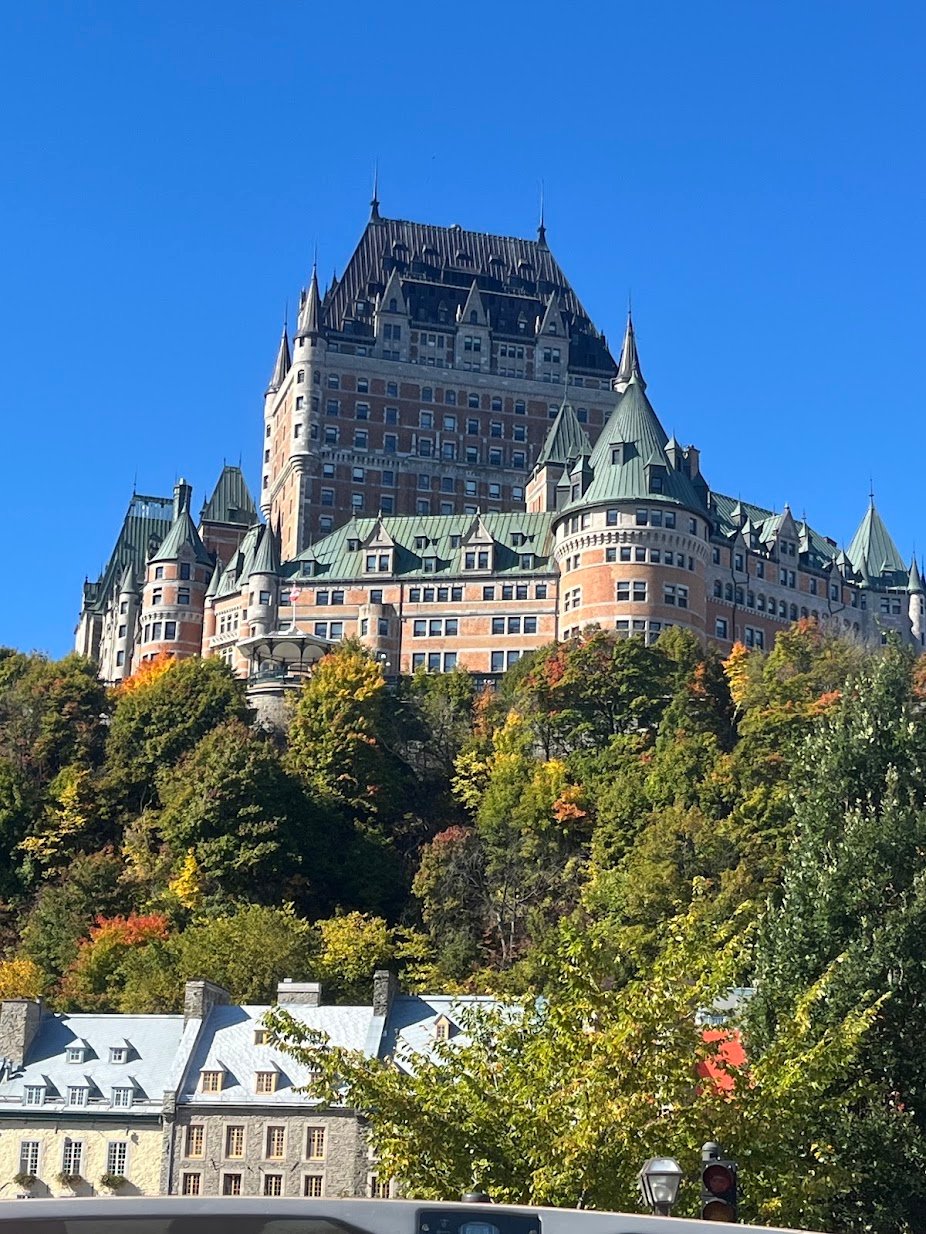
Fairmont Le Château Frontenac: Built for Rail, Famous for War
Though styled like a medieval French chateau, Quebec’s iconic skyline landmark was actually built by the Canadian Pacific Railway in 1893 as a grand luxury stopover for train travellers. Its truest claim to history came in August 1943 during the First Quebec Conference. Winston Churchill, Franklin D. Roosevelt, and Canadian Prime Minister William Lyon Mackenzie King took over the hotel to finalize plans for the D-Day invasion of Normandy. There are busts of Churchill and Roosevelt in the upper city.
The brochures will tell you that you absolutely must ride the funicular which runs from the lower streets up to the terrace of the chateau. Believe me, you really don’t have to do this. It costs $7 per person one way, lasts for 30 seconds and they squish people into the car like pickles in a jar. We rode the empty car down just for the hell of it and at the bottom we saw the line of people snaking towards it like ants to a dead grasshopper. And the height it climbs? I’d say the equivalent of five storeys.
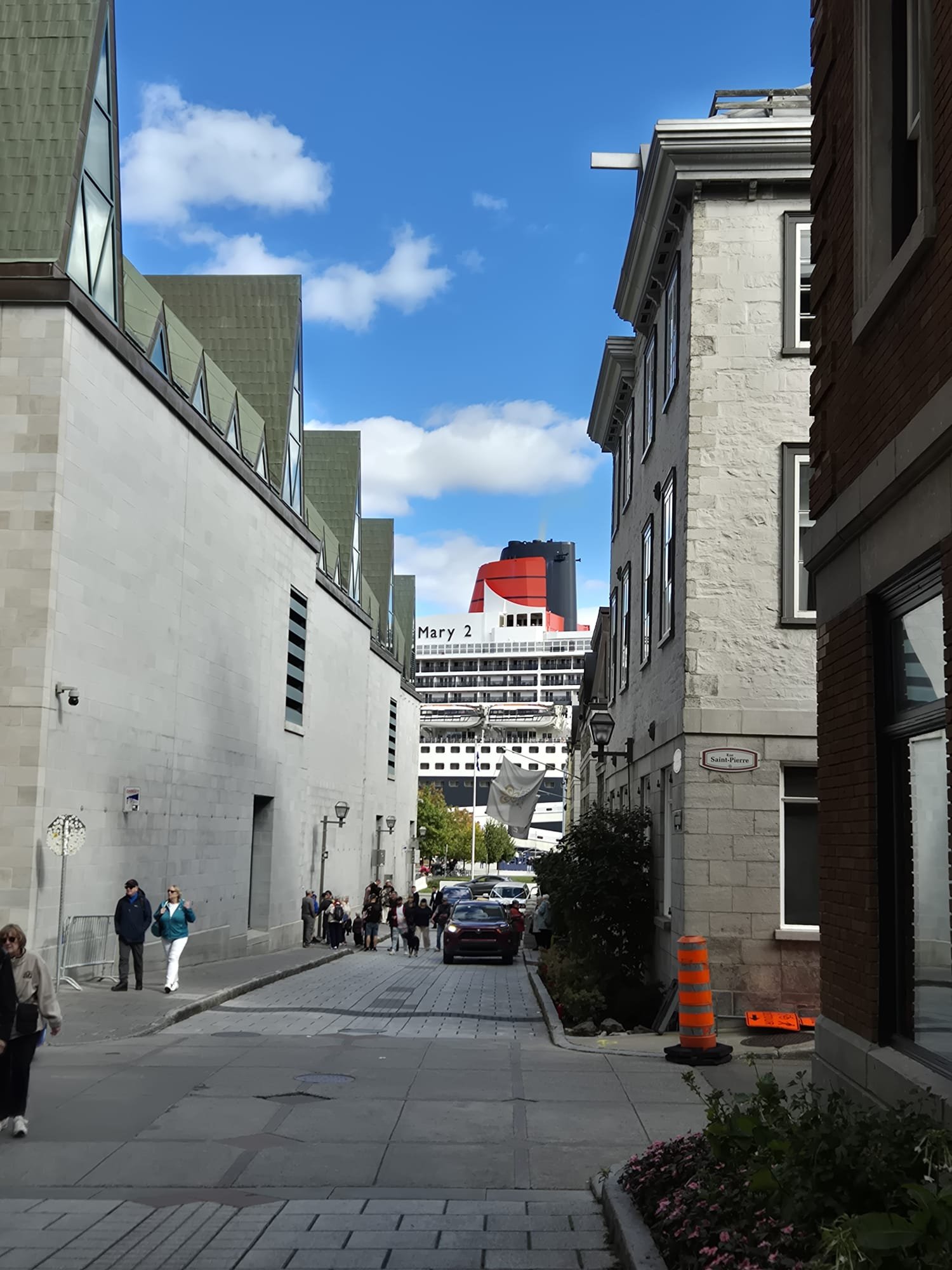
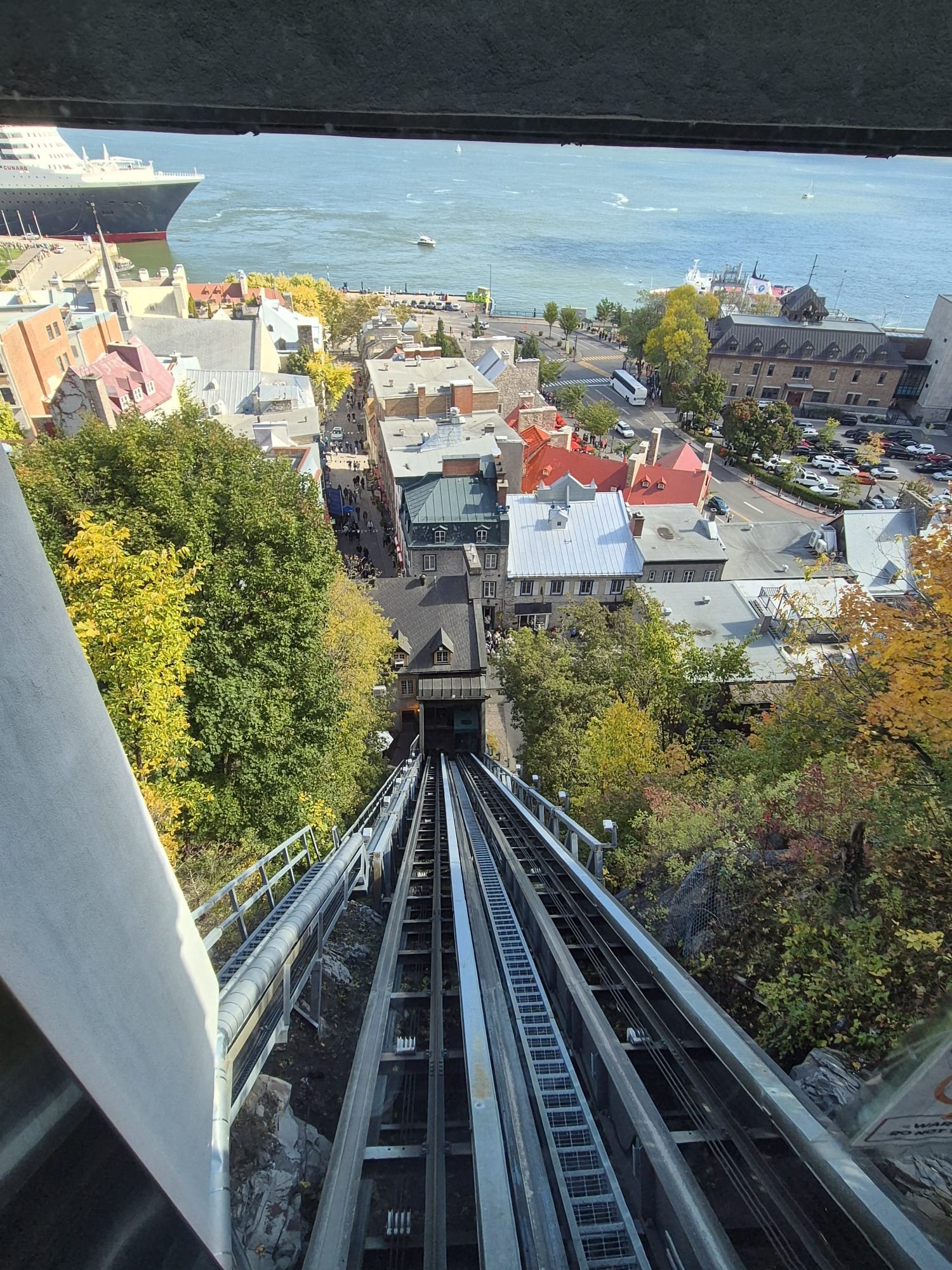
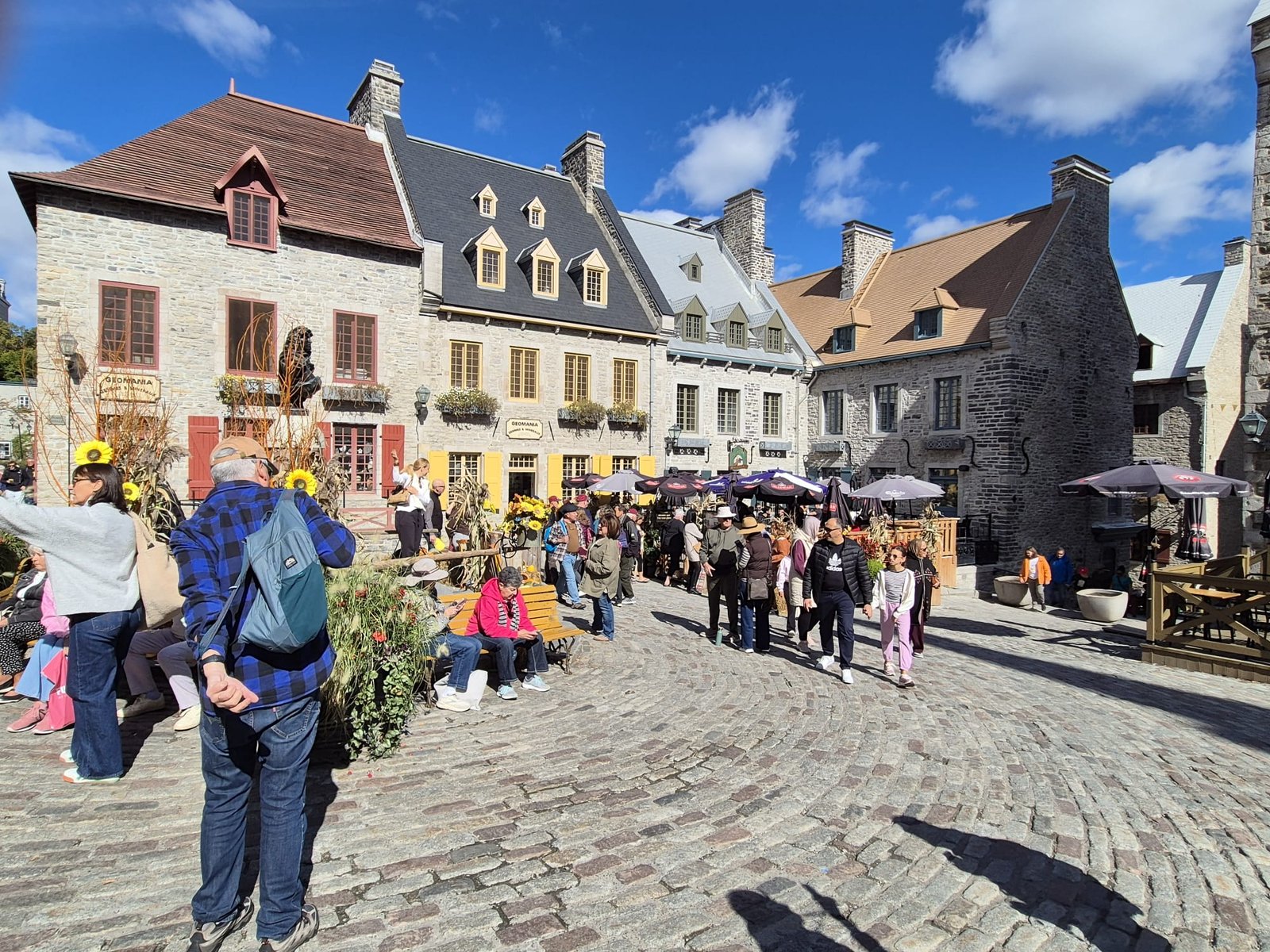
Also understand that most of what you see is new or fake, cleverly disguised as colonial – though done very well. The place was a mess until the 1970s when some clever developers took over. It is very expensive – a sandwich and a couple of coffees will set you back $30 or so.
So in summary…I loved the trip getting there and it is a site of genuine historical value. But for most of the day I felt like I was in the Canada pavilion at Disney World.
Benedict Arnold’s March to Quebec
In September 1775, Colonel Benedict Arnold led 1,100 Continental soldiers on a gruelling 350-mile wilderness expedition from Maine to Quebec. Intended as a swift surprise assault against the British, the march quickly descended into one of the worst logistical disasters in early American military history.
Arnold relied on inaccurate maps that severely understated the distance and terrain. His men navigated treacherous, uncharted rivers up the Kennebec and across the height of land toward the Chaudière River, forcing them to haul heavy, wooden ‘batteaux’ boats, hastily built from green timber, upstream against raging currents. The unseasoned wood quickly rotted and leaked, destroying gunpowder, provisions, and medical supplies.
Disaster struck repeatedly. Torrential rainstorms flooded river basins, turning portages into knee-deep mud and engulfing camps. As starvation set in, men resorted to boiling leather shoes, cartridge boxes, and tree bark for nourishment, even consuming Arnold’s dog. Outbreaks of dysentery, fever, and hypothermia swept through the ranks amid sub-zero temperatures and early snowstorms.
By the time Arnold reached the St. Lawrence River in November, over 400 men had died or turned back. The remaining 650 survivors were starved, frostbitten, and virtually unclothed; yet they had completed an extraordinary feat of endurance.

Steve is a former Army officer and technology manager, now semi-retired and living in Melbourne. He enjoys adventurous travel and believes that good stories should be shared. He founded the Dusty Boots Journal as a means to connect those with similar interests.
I’ll take good old ‘Pissweak’ world in the eastern suburbs of Melbourne, any day. Remember that place! Classic and tragic at the same time.
Ah yes, Wobbies World. We were truly fortunate to have experienced it. https://en.wikipedia.org/wiki/Wobbies_World