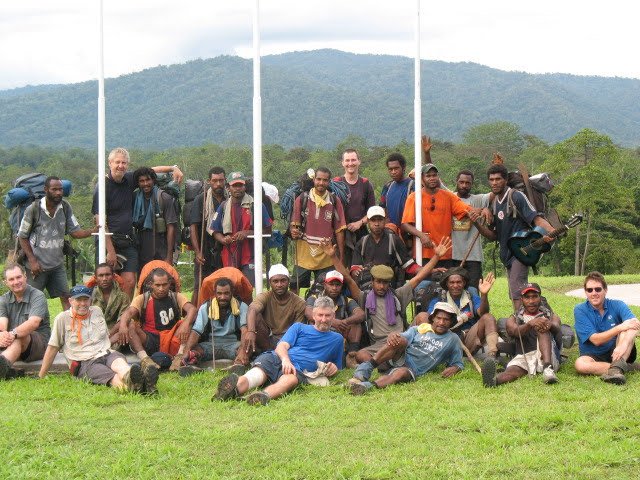
There is a quiet magic in putting on a pair of worn boots, shrugging into a lightweight pack, and setting off into the morning light. Whether we are tracing a mountain ridge in Europe, following a muddy track through the New Guinea highlands, or exploring the quiet bends of a river in Southeast Asia, our journeys are defined by freedom. We choose where to turn, when to rest, and when to go home.
It is easy to take that freedom for granted. But as November 11 approaches, it pays to pause and reflect on the footsteps that came before ours.
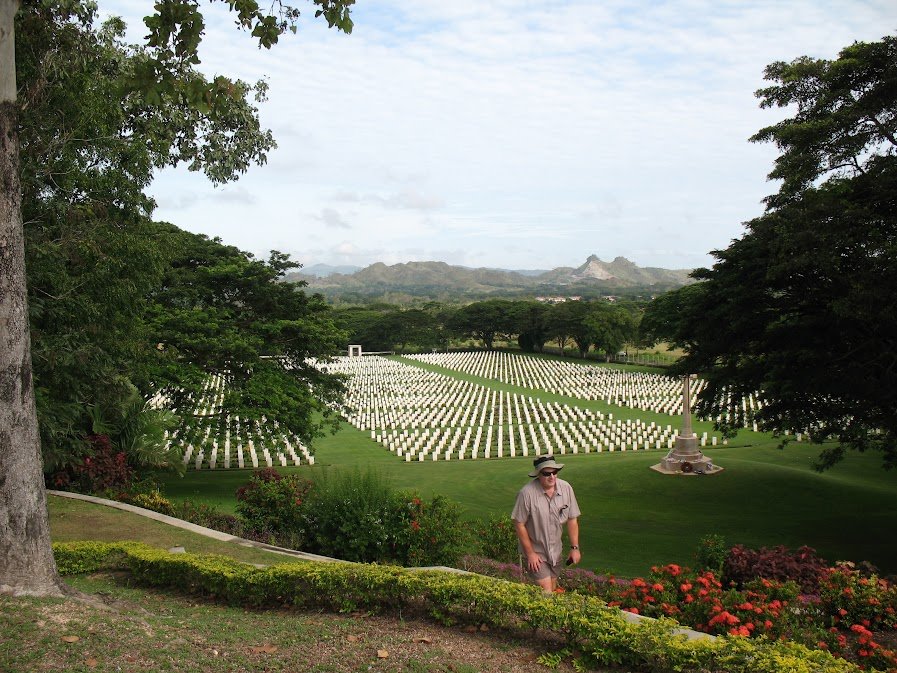
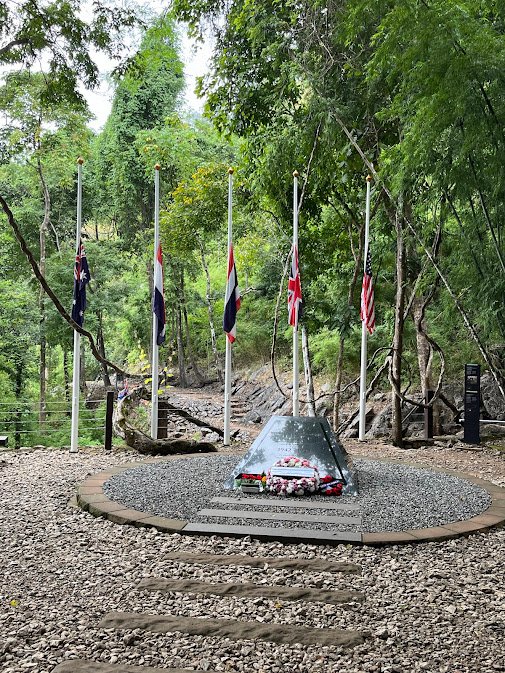
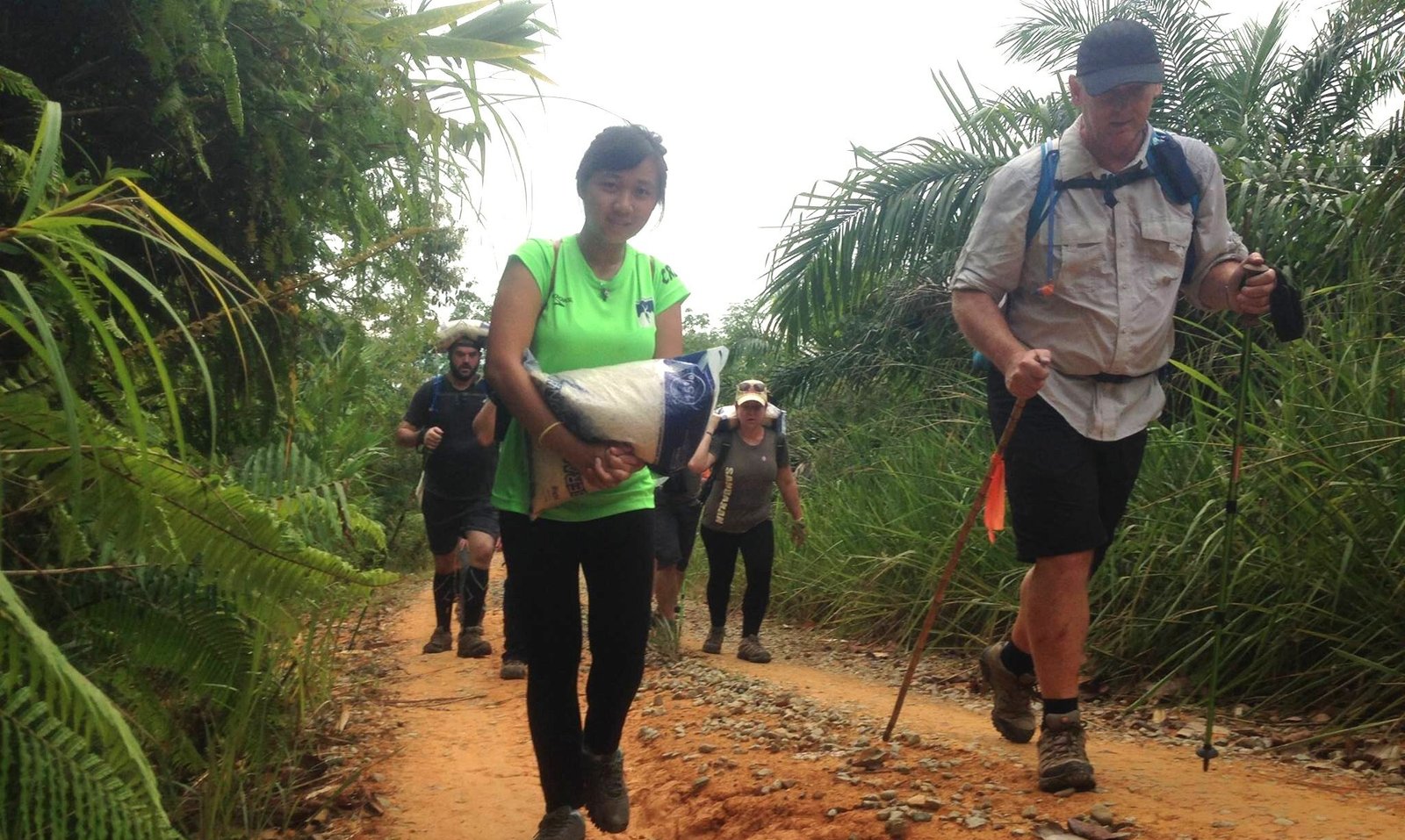
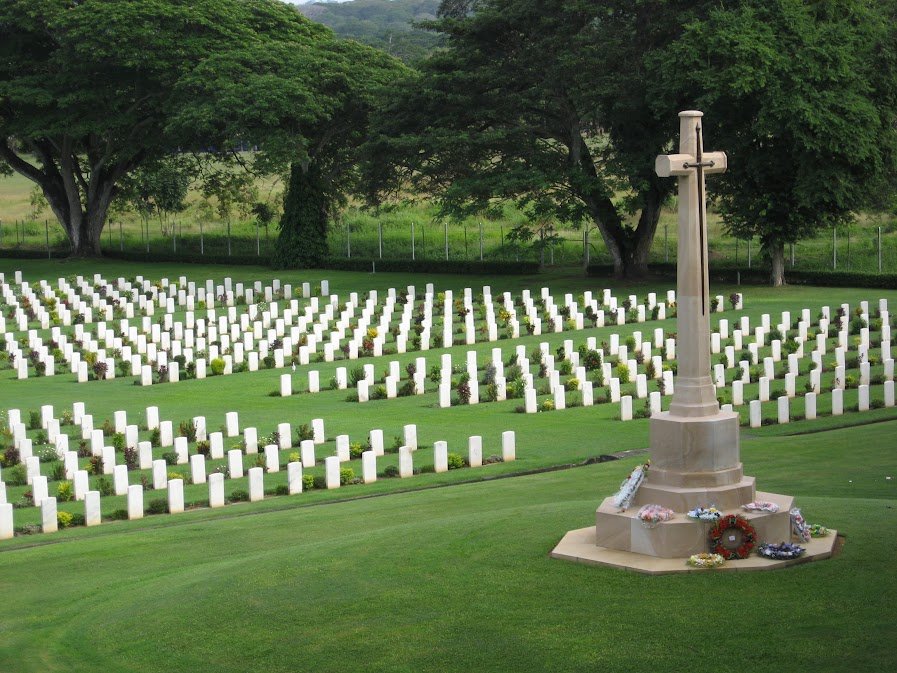
Across Dusty Boots Journal, our contributors have often followed the long shadows of history. We’ve walked along the quiet stretches of the Sandakan track in Borneo, where thousands of young men marched to their deaths in the jungle heat. We’ve stood beside the peaceful waters near Kanchanaburi, where the Thai-Burma Death Railway was carved out of solid rock by hands that knew only hunger, illness, and exhaustion. And we have stood on Monte Piana, a frozen plateau in Italy where men from neighbouring countries beat each other to a standstill. Even in the remote corners of our own backyards – from small outback intersections to rural railway platforms – bronze plaques and weathered sandstone obelisks quietly hold the names of those who left their homes and never returned.
The contrast of experiences is stark, almost overwhelming. Where we walk today with water bottles, GPS maps and the comfort of open borders, others walked under guard, in rags, through mud, snow, and unbearable heat. While we travel to discover, learn and connect, they marched to defend the very right of a free world to exist.
While we don’t travel to dwell in sadness, but as curious, unscripted wanderers, we do have a duty. When our paths cross these places of memory, our job is simple: stop, read the names, and remember.
Every quiet moment spent standing before a memorial plaque in a dusty outback town or looking across a jungle valley where soldiers once fell is an act of living gratitude. We have the extraordinary privilege of walking through a world made peaceful by their sacrifice.
This Remembrance Day, as we look ahead to our next trips, let’s carry more than just our gear in our packs. Let’s carry their memory forward, grateful for every single step we get to choose.

Steve is a former Army officer and technology manager, now semi-retired and living in Melbourne. He enjoys adventurous travel and believes that good stories should be shared. He founded the Dusty Boots Journal as a means to connect those with similar interests.
Thanks Steve, very appropriate. Lest we forget.