
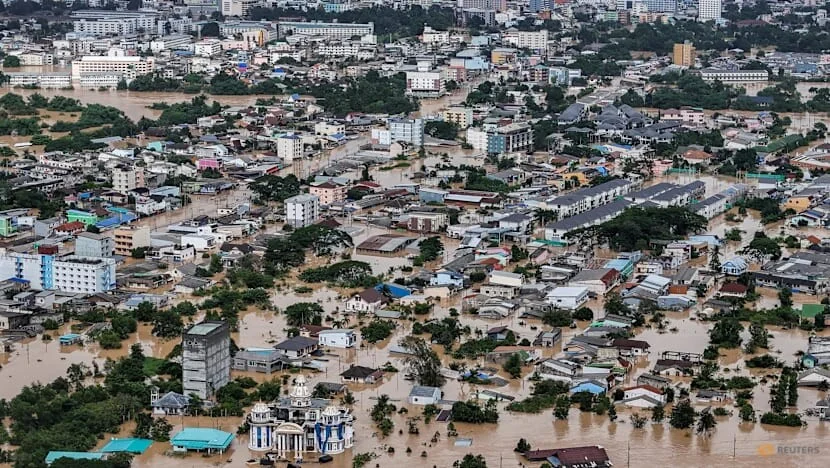
Note: Images of the floods are from open sources.
This story is part of our Slow Travel in South East Asia series.
Some things pass us by barely noticed. Unless you were paying particular attention, you would be unaware of the devastating floods in southern Thailand in November 2025, centered around the city of Hat Yai.
I visited Hat Yai recently. It is the largest city in southern Thailand, about half a million people and the southern terminus of the main rail line. It is a trading centre with Malaysia with about 30% of the population being Muslim. Most westerners don’t have a reason to go there unless travelling from Malaysia – which I did. I was curious. I only spent a night there so barely scratched the surface.
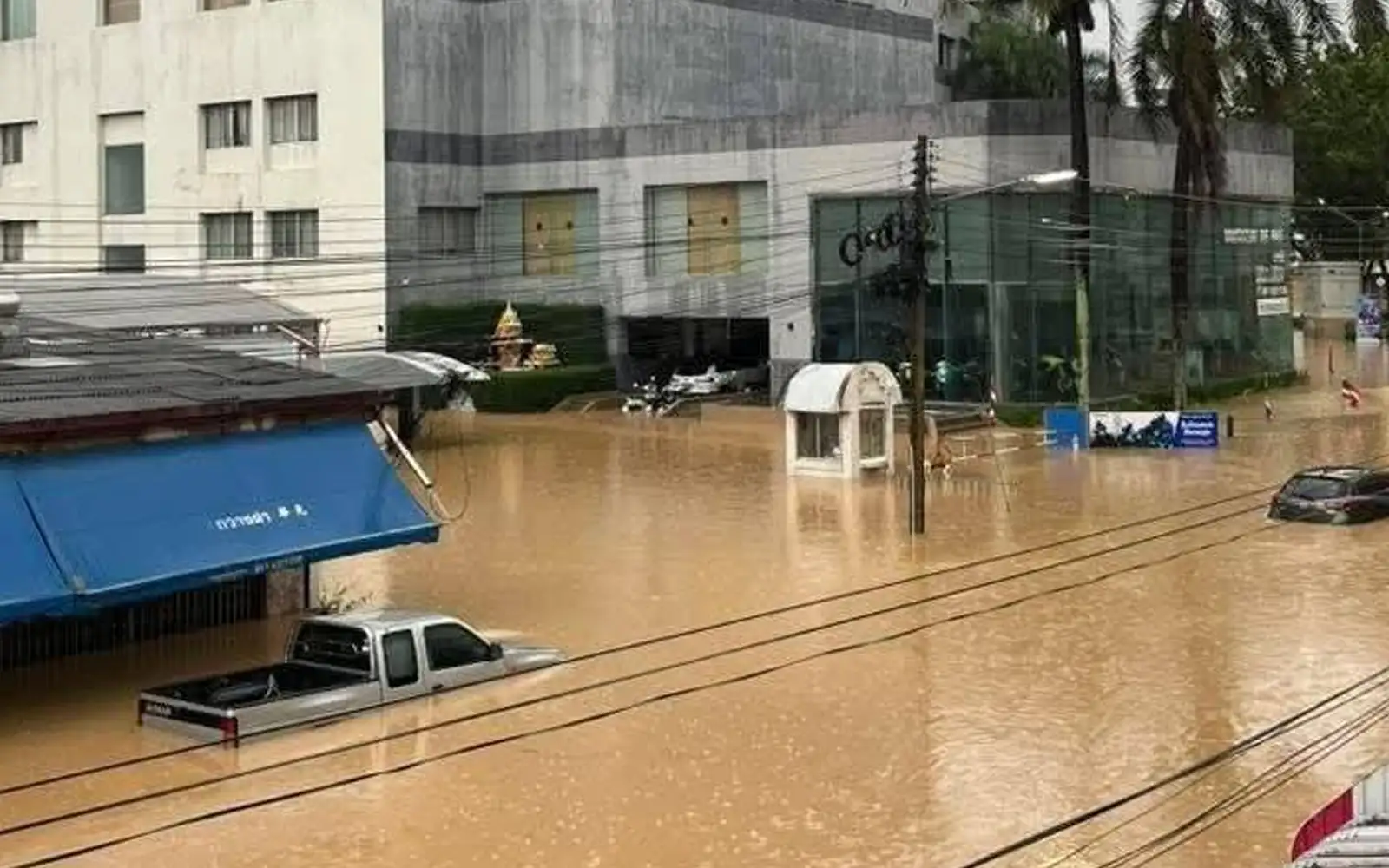
The floodwaters receded months ago and it has been a long dry season. Communities and authorities have worked hard for five months to move debris and restore infrastructure. English is not widely spoken but I spoke to a couple of people. A lady who runs a salon had five rooms and employed 20 people before the flood. Now she has one room and two employees. You can imagine the devastating effect of this on families in a country with little welfare support. She described to me how the water was up to the power lines in low lying areas.
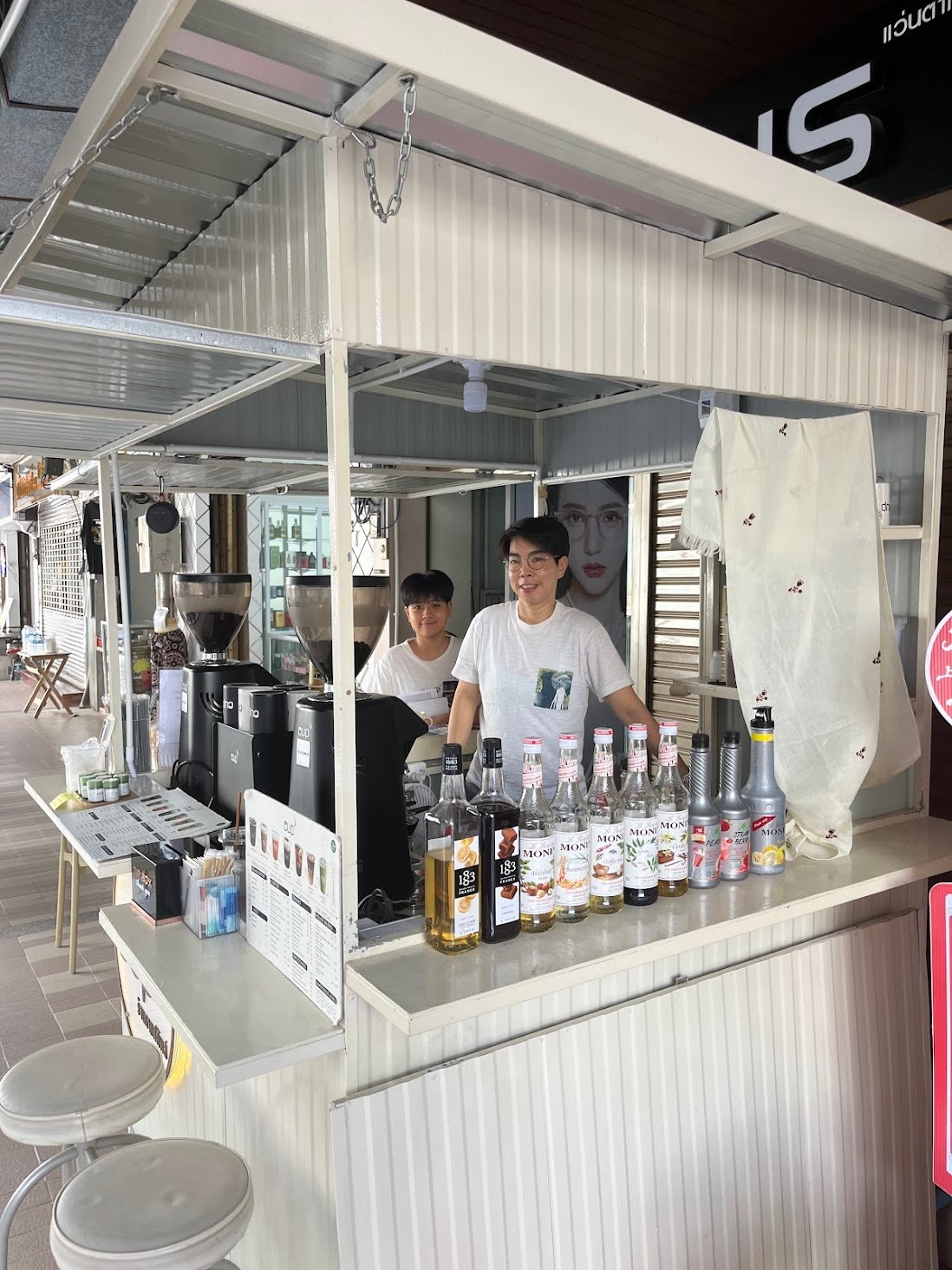
I also met Amp, proud owner of the Cupps cafe. He now has a temporary booth on the street and is thankful for whatever passing business he can get. His insurance will cover repairs to the building and an interior refit, but he lost his stock and machinery. He has bought more kit, and hopes to be back in his shop in a month.
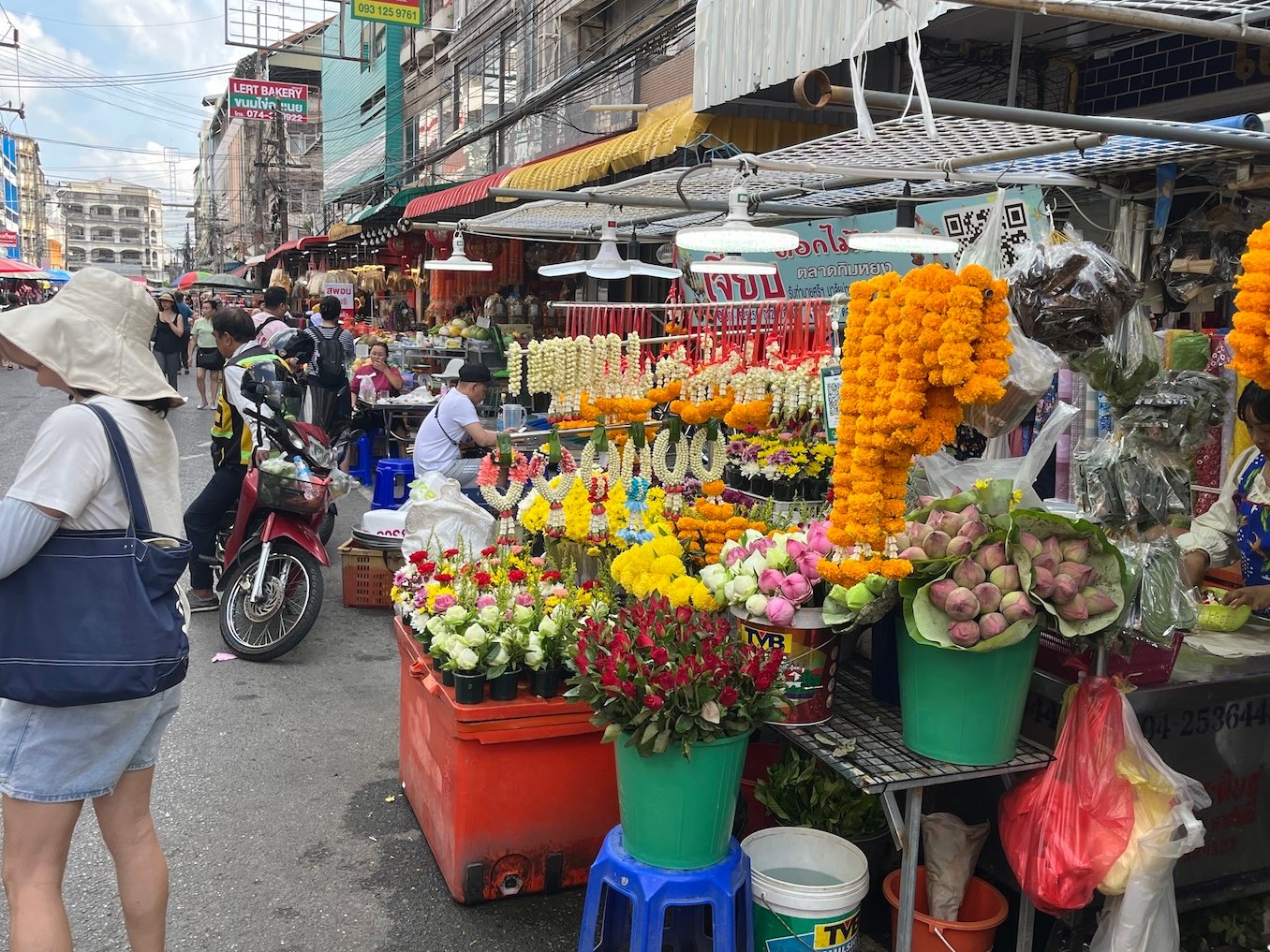
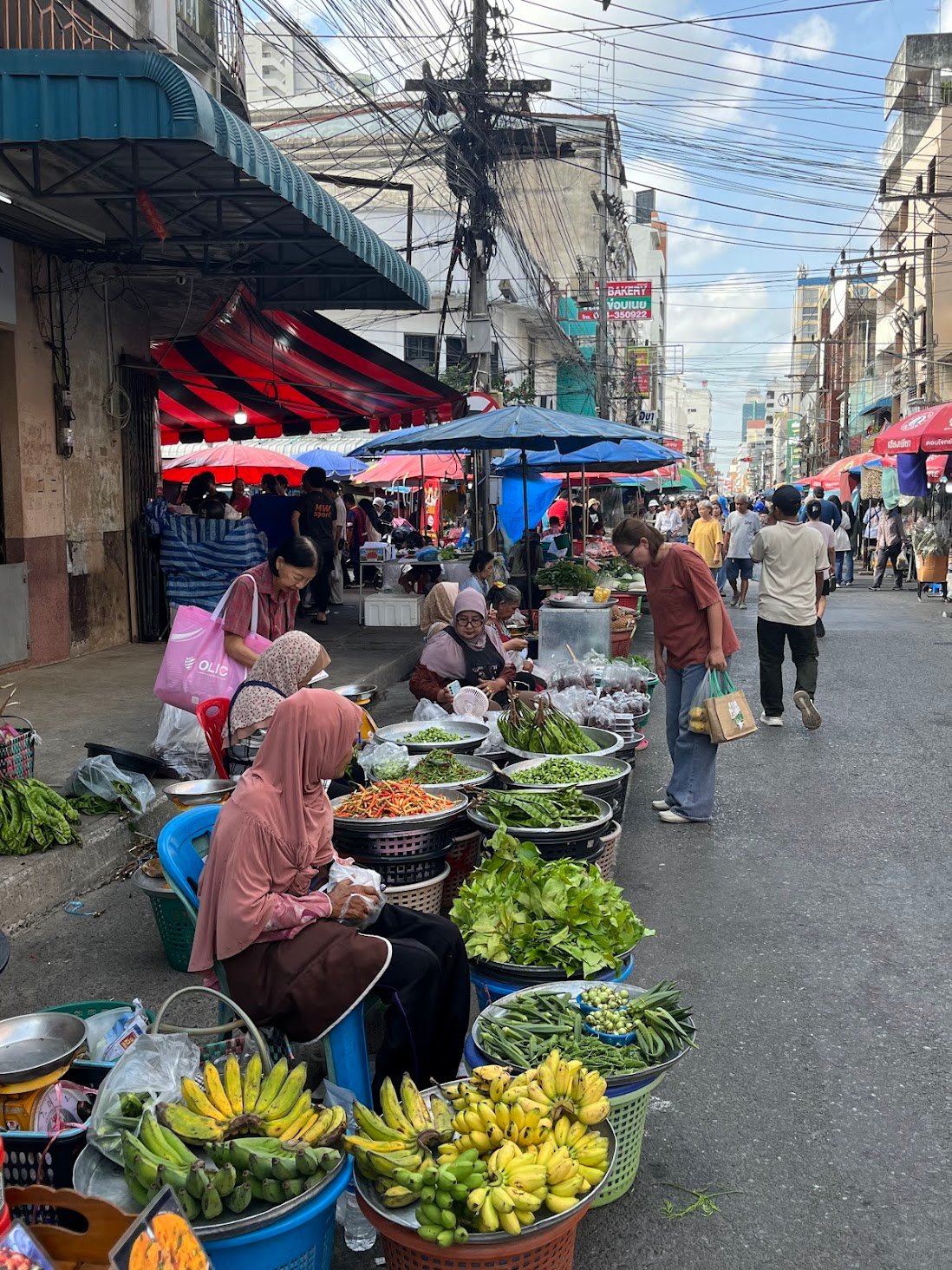
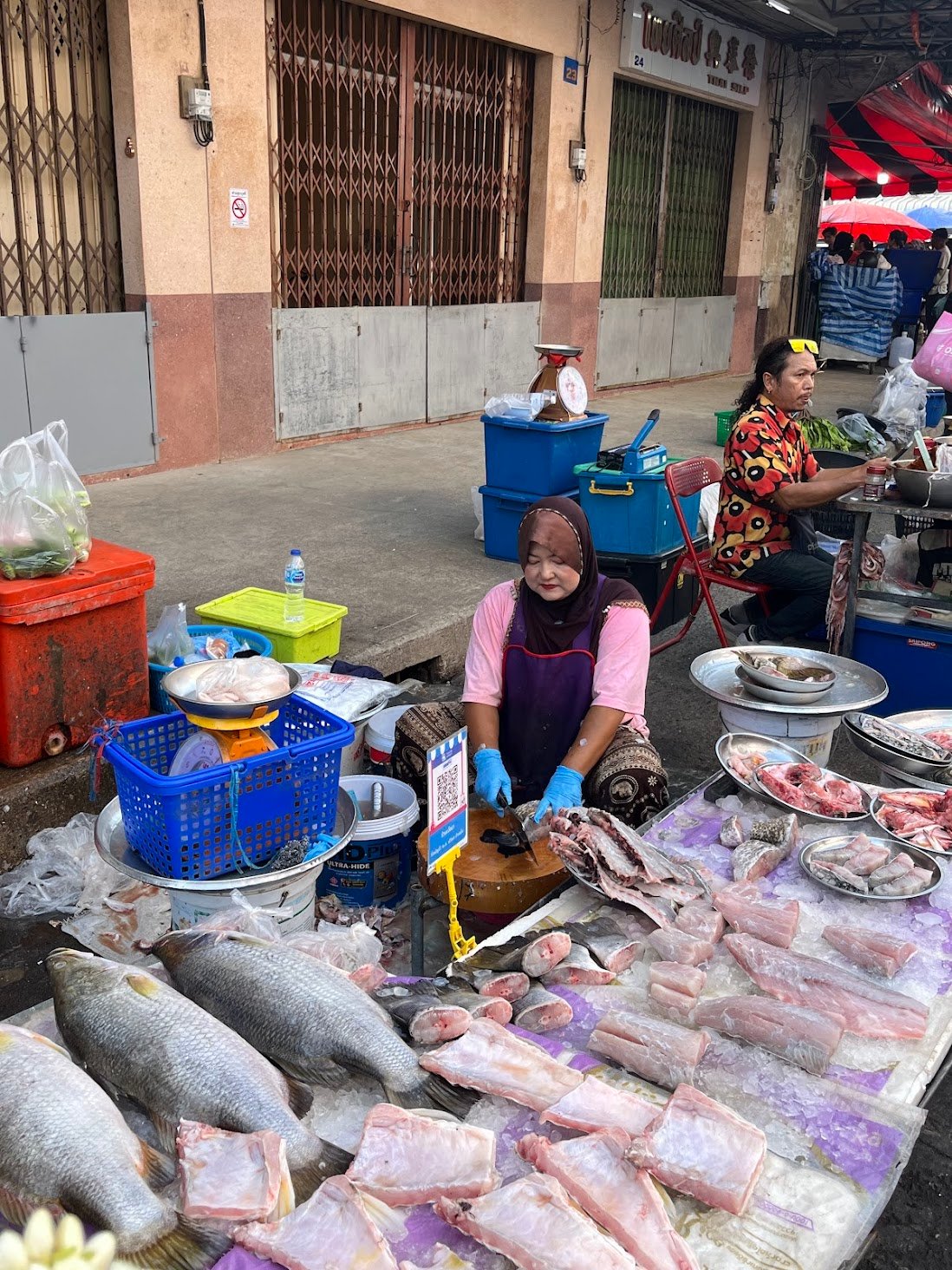
I only had a day before boarding a train north so made the most of it. The small night market has plenty of barbecued and steamed goodies, and young musicians playing Bob Dylan tunes in that uniquely discordant Asian style. The morning markets were buzzing with people but not flies – I really don’t know how they keep them away. I’ve added some nice pictures of the morning market below.
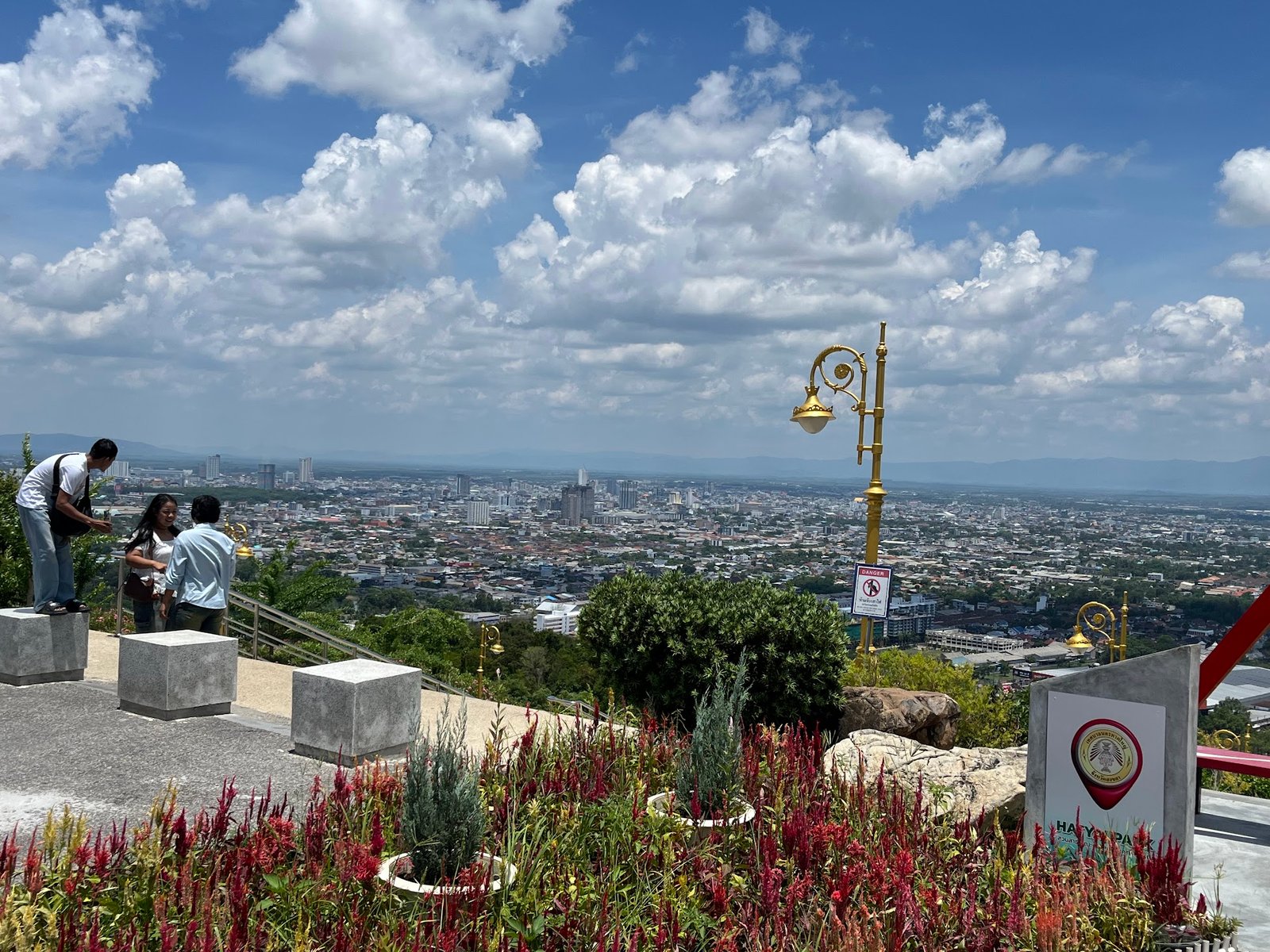
Time prohibited me from wandering too far, but I did take a car to the municipal gardens and up the hill to the Kho Hong mountain viewpoint, there to see the Phra Buddha Mongkol Maharaj, or the Golden Standing Buddha. It is the biggest Buddha in southern Thailand and you can see it from the train from miles away. To see a nice picture of the Buddha, see our collection of Buddhas by the Beach.
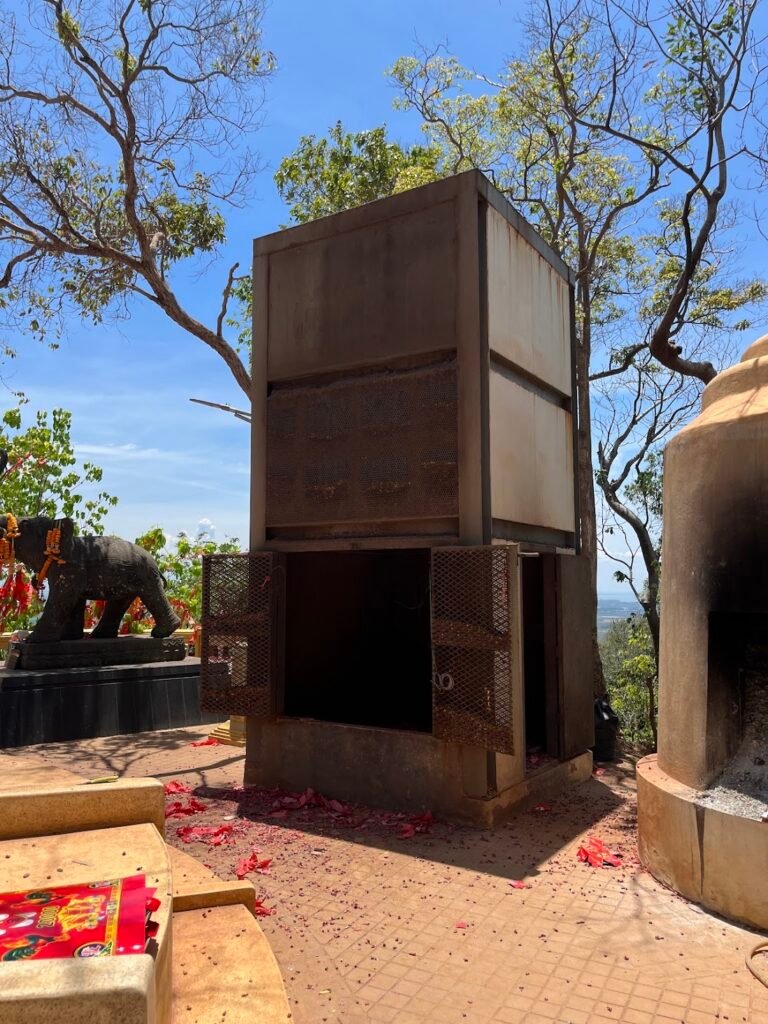
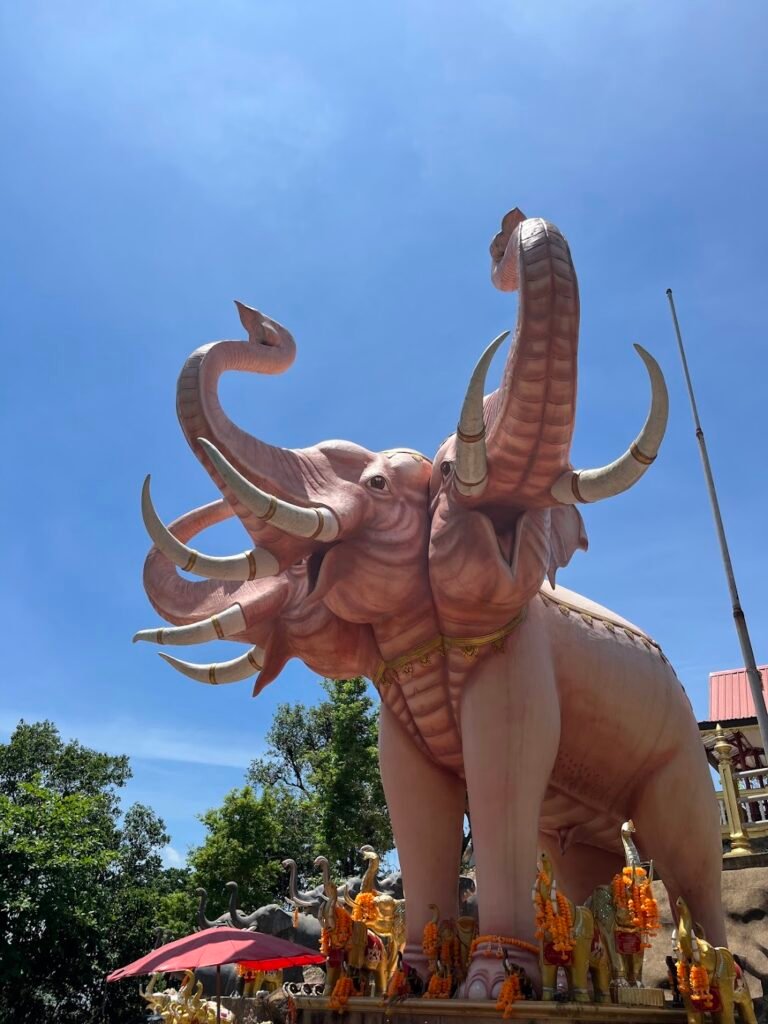
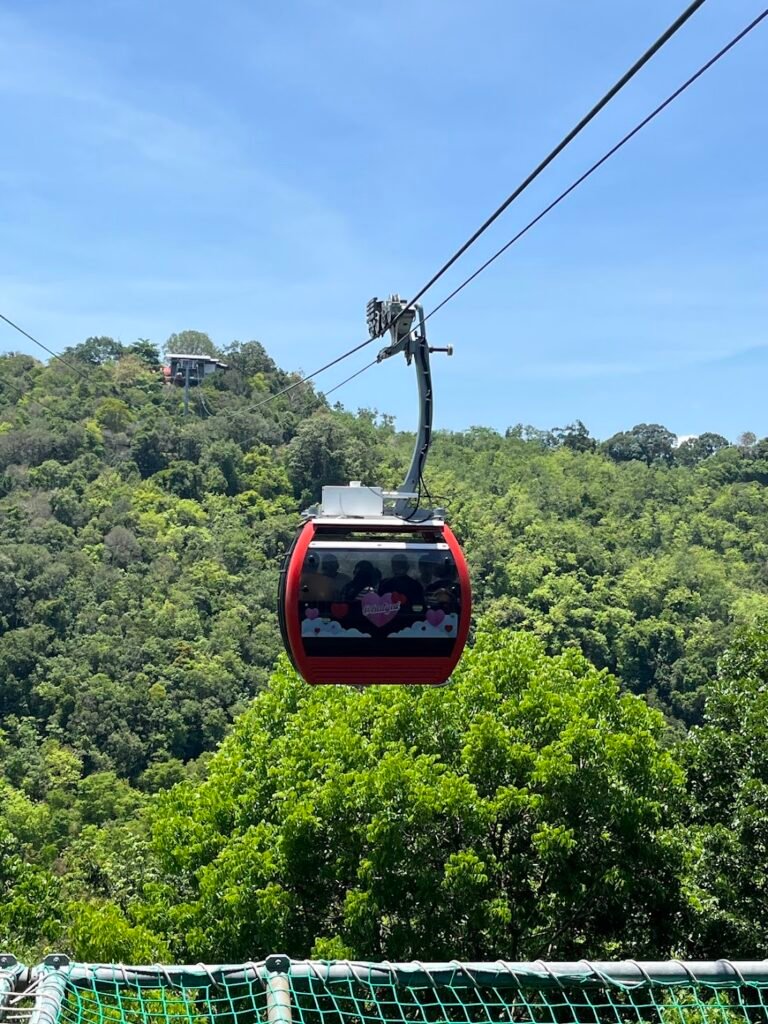
I took the cable car to Thao Maha Phrom Hill, there to see the Four-Faced Brahma Shrine. Here Buddhism meets Brahmanism in a melange of elephants (including a three headed beauty), bells, gongs and firecrackers. Visitors can buy a string of firecrackers as part of their blessings and an attendant sets them off inside a steel kiln, thus amplifying the noise.
There is also a working observatory nearby. It is open to visitors but was unfortunately closed for lunch when I rattled the door. So I bought some mango with chilli salt and helped the vendors practise their English instead.
Later that afternoon I left on the train for Chumphon – eight hours in a third class carriage. That’s another story…tip: book your train ticket several weeks ahead if you want to ride in air conditioning.
The Hat Yai Floods
The November 2025 floods in Hat Yai were the most catastrophic in a quarter-century, fuelled by extreme monsoon rains that overwhelmed the city’s drainage systems. Water levels in low-lying areas near the Khlong U-Tapao river reached up to 4 meters, resulting in a regional death toll exceeding 140 people.
The financial damage was extensive, particularly affecting the city’s SME sector. The commercial heart of the city was completely inundated. Hundreds of vendors lost their entire stock, and many local businesses remained closed months later due to the high cost of structural and economic recovery.
The disaster sparked a debate over urban planning and government accountability. Critics pointed to the city’s basin-like geography and questioned whether existing diversion canals, like Khlong Phuminat Damri, were sufficient for ‘300-year’ weather events.
Six months after the deluge, recovery is defined by a push for ‘flood-proof’ commerce. The municipal government has accelerated the expansion of the Khlong Phuminat Damri and other diversion canals to increase the city’s outflow capacity. While the Kim Yong Market has reopened, many vendors are operating with reduced stock, relying on micro-grants to recoup losses. Community focus has shifted toward the Climate Change Resilience Learning Centre, which now leads nationwide training on early warning systems and ‘living with floods’ to prevent future economic paralysis.
I wonder what the small business owners I met think of the idea of ‘living with floods’.

Steve is a former Army officer and technology manager, now semi-retired and living in Melbourne. He enjoys adventurous travel and believes that good stories should be shared. He founded the Dusty Boots Journal as a means to connect those with similar interests.