
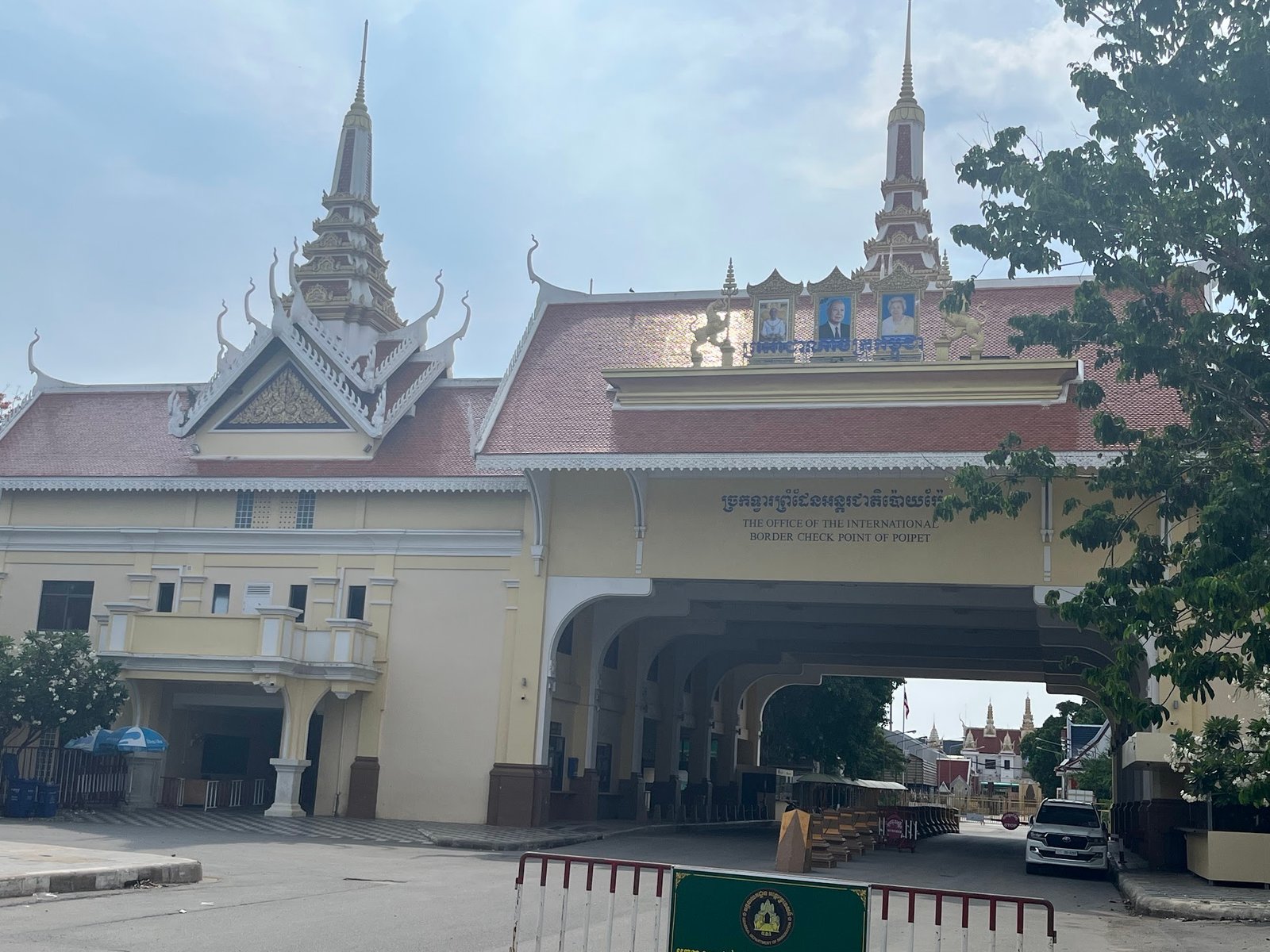
This story is part of our Borderlands and Crossings series.
Before I start – I am classifying this post as a ‘story’, rather than any sort of guide or inspiration to follow my footsteps. Quite the opposite – I would discourage anyone thinking about it from actually doing it.
Setting the scene
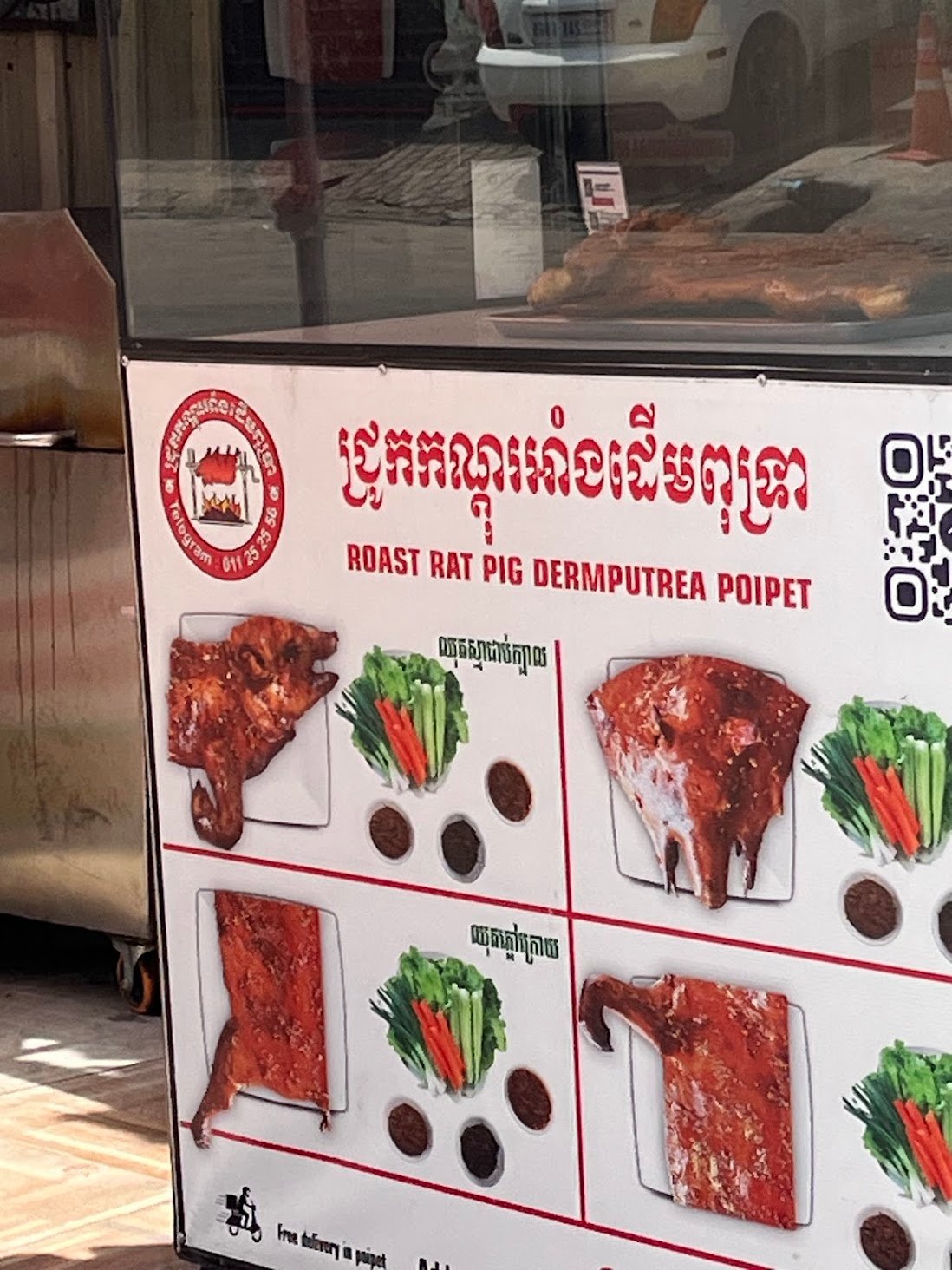
Poipet is three hours drive west of Siem Reap, and is the main border crossing with Thailand. At least it was until they started their most recent war over some temples and scraps of ground. Not wanting to diminish the importance of temples but they are hardly in short supply and the conflict has led to serious desperation amongst the Cambodian people as trade and tourism with Thailand have been suspended.
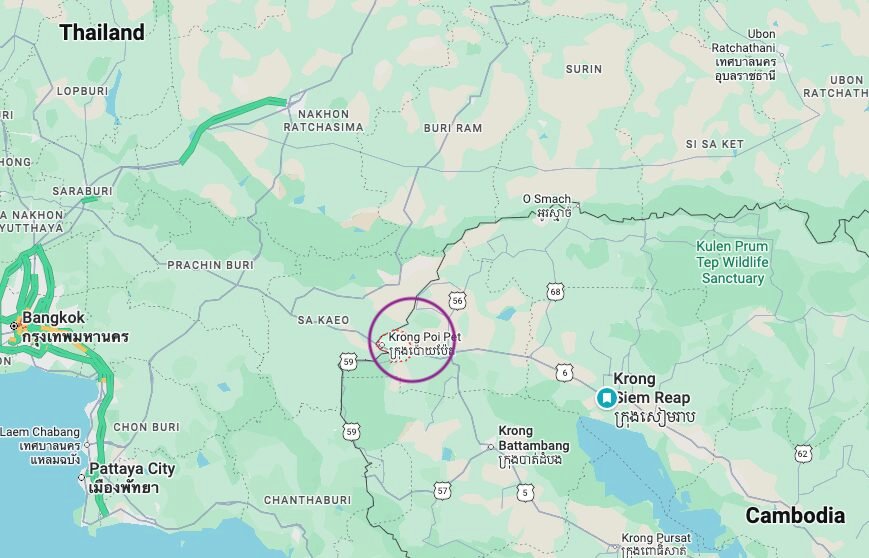
What is in Poipet?
Poipet’s modern identity is deeply rooted in the Cambodian Civil War. Once a frontline stronghold for the Khmer Rouge, the town was completely devastated. When peace arrived in the late 1990s, Thailand banned gambling, but Cambodia allowed it for foreigners. Hence the ‘No-Man’s-Land’, a tax-free strip of glitzy casinos built between the passport control checkpoints, turning a former minefield into a surreal capitalist anomaly. Much of it was built with Thai money, for the gambling pleasure of Thais (and probably Chinese). Cambodians are not allowed to gamble in their own country, but the casinos provided employment and income to the town and province. Sadly, it has all dried up.
There have been other casino enclaves along the border, and I believe there are a number of Chinese-owned fun houses in Sihanoukville on the coast…bookmarked for a future visit. But Poipet is/was the biggest. Thais would come by road and train, and the special status granted to the casino zone by the Cambodian government allowed them to come and go without visas. All sorts of stories abound about scam centres, visa schemes and various nefarious activities, but that is not the focus of my tale.
Daytime exploring
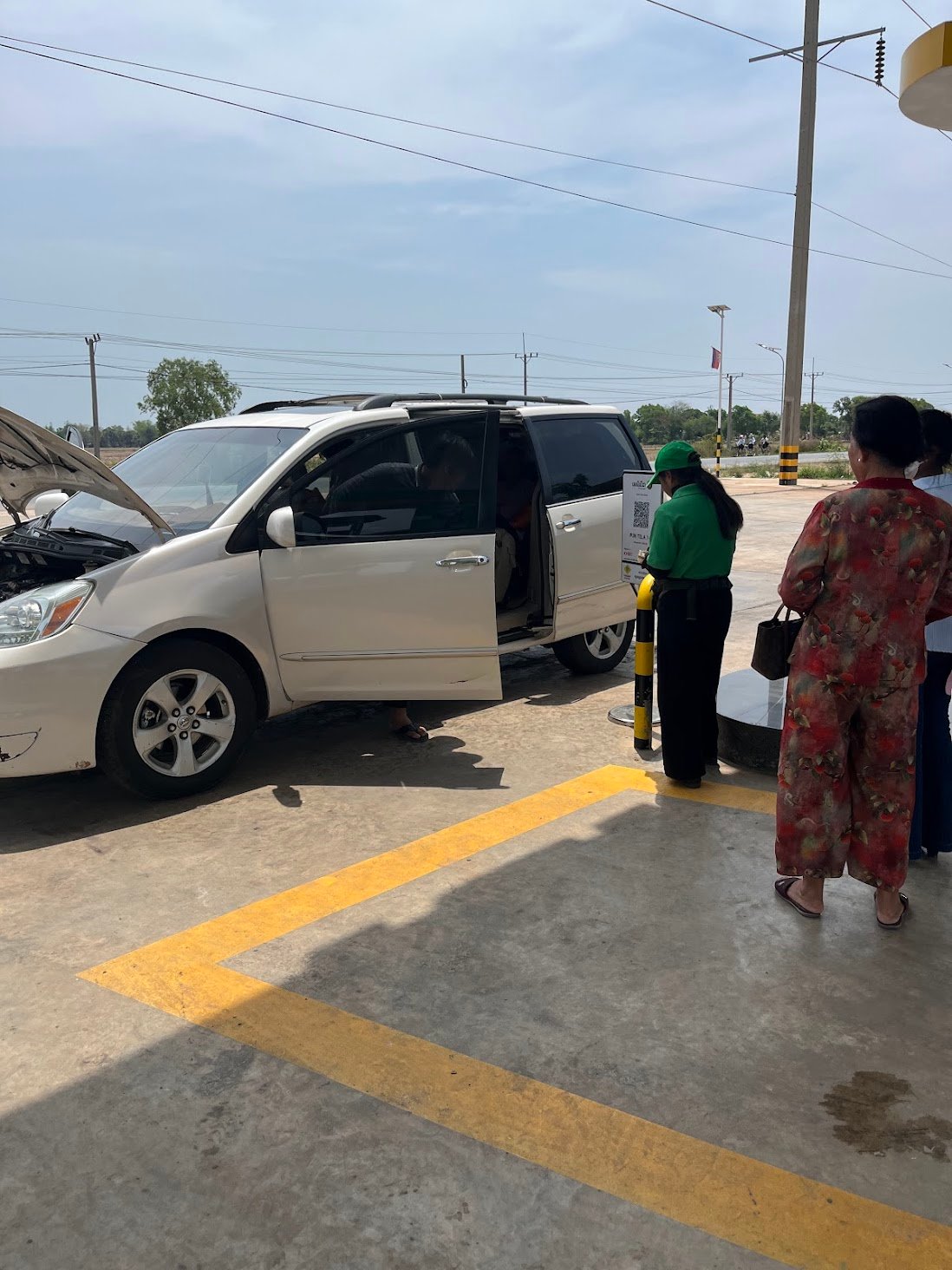
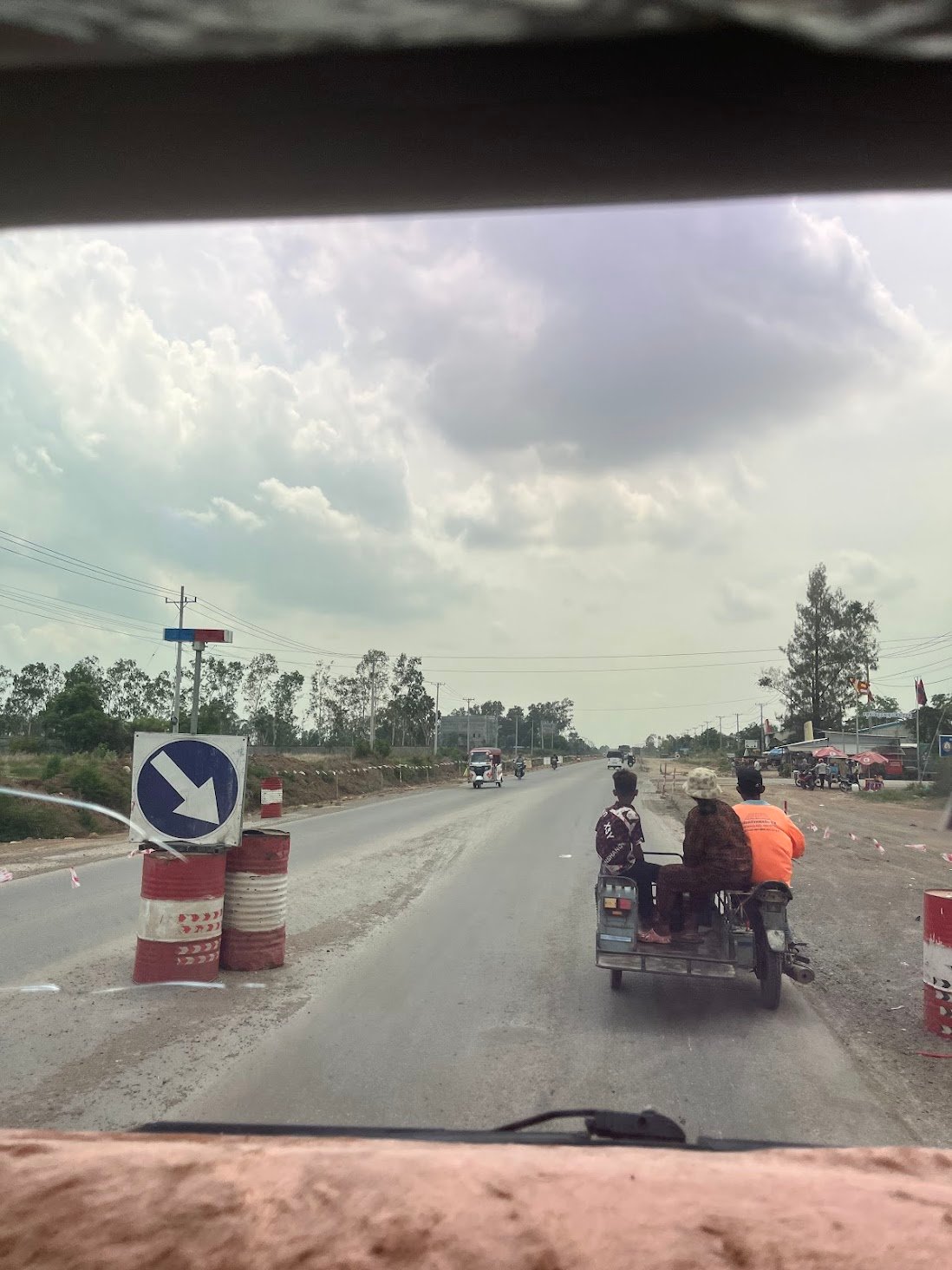
So, here is my tale. I took a bus from Siem Reap to Poipet. That in itself was a little adventure…the company I booked with was a small operation and the word ‘punctuality’ could not possibly appear in its corporate values or mission statement. The bus turned out to be an 8 seater Toyota van and from the scheduled start of 8.00am, we eventually got wheels rolling at 9.45. It was a real milk run, stopping at various spots around Siem Reap to pick up passengers and bits of cargo. By the time we hit the highway it was 10.15 and we had 10 people on board. Fortunately I had the seat up front next to the driver.
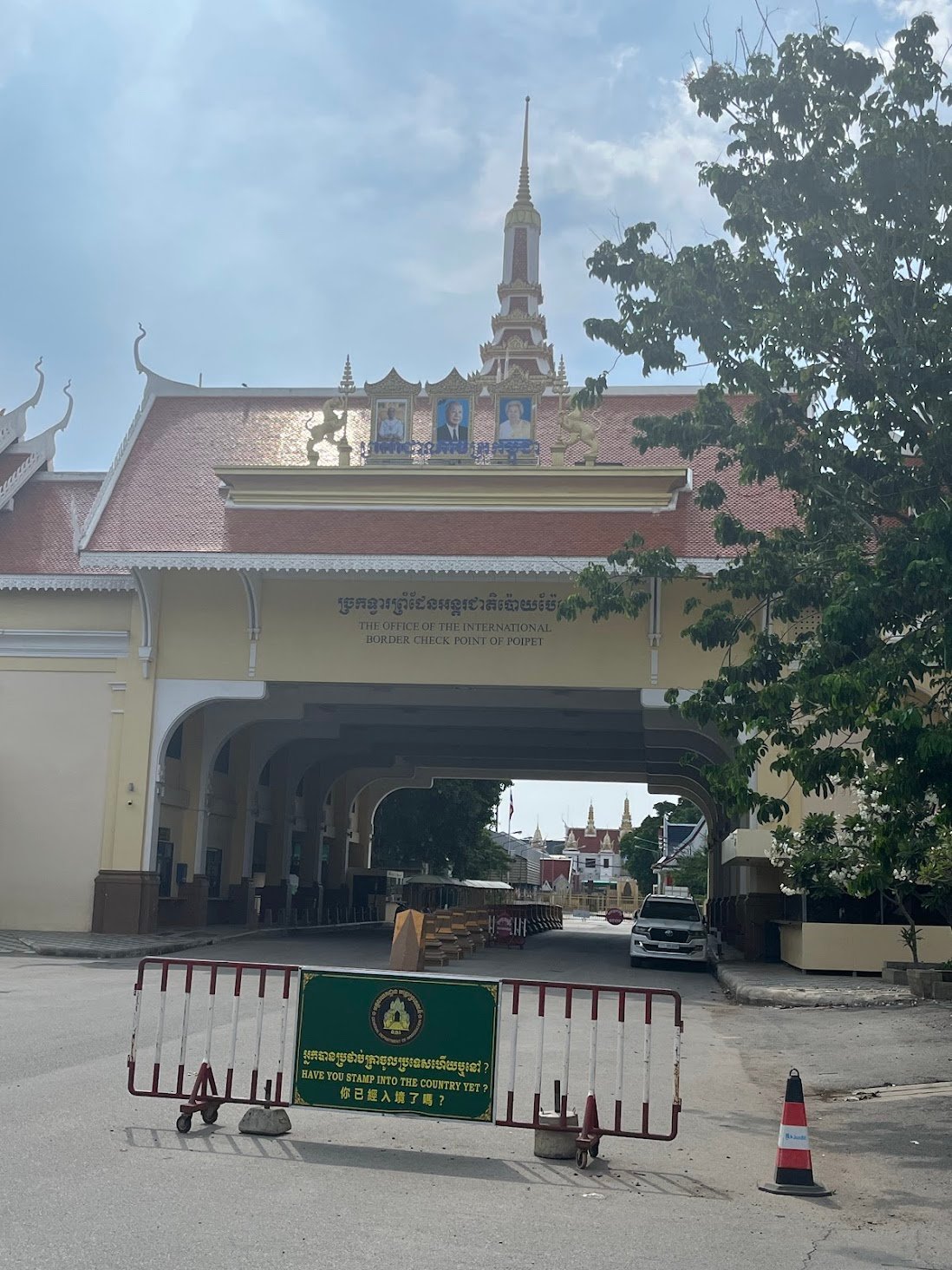
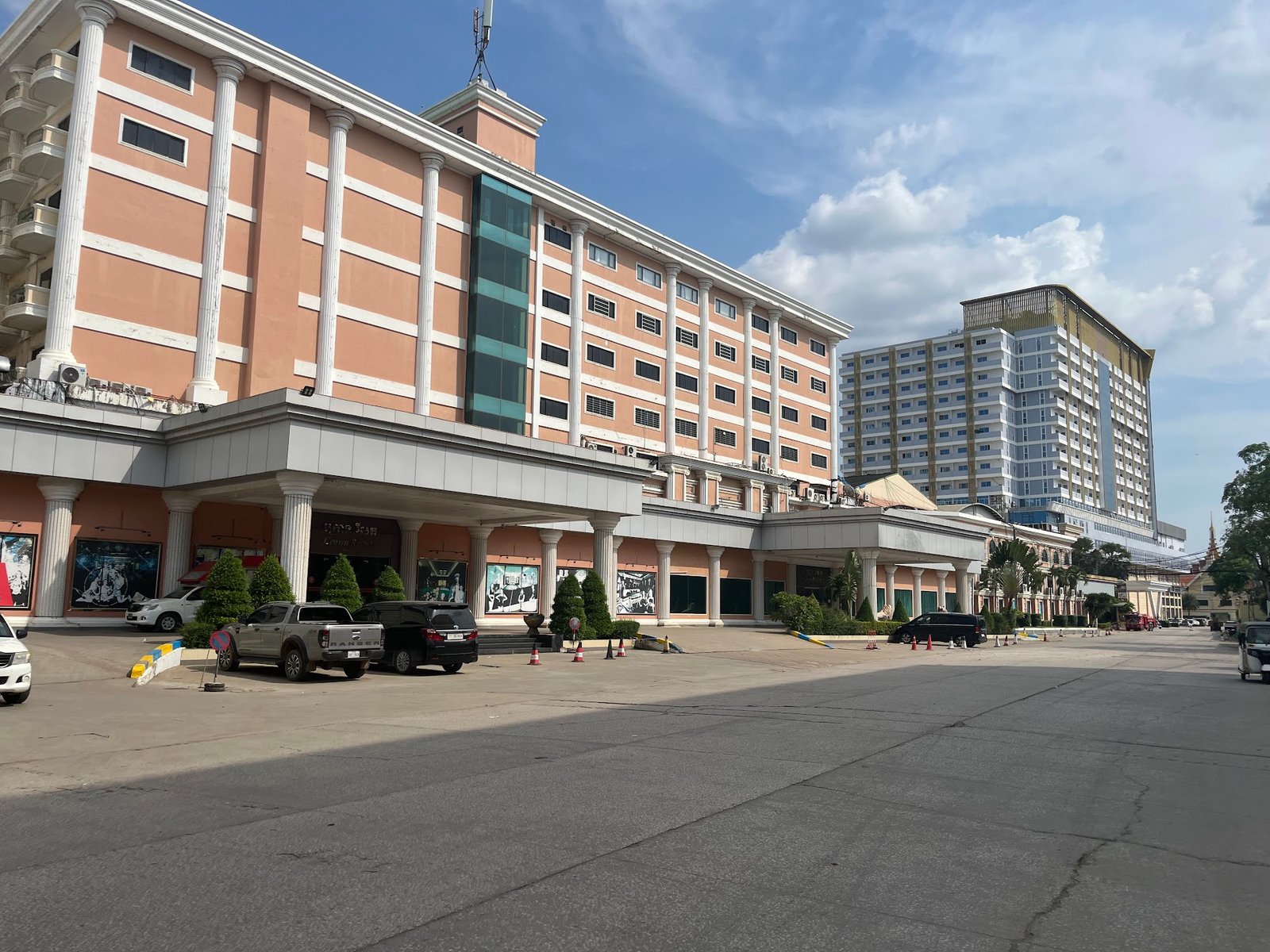
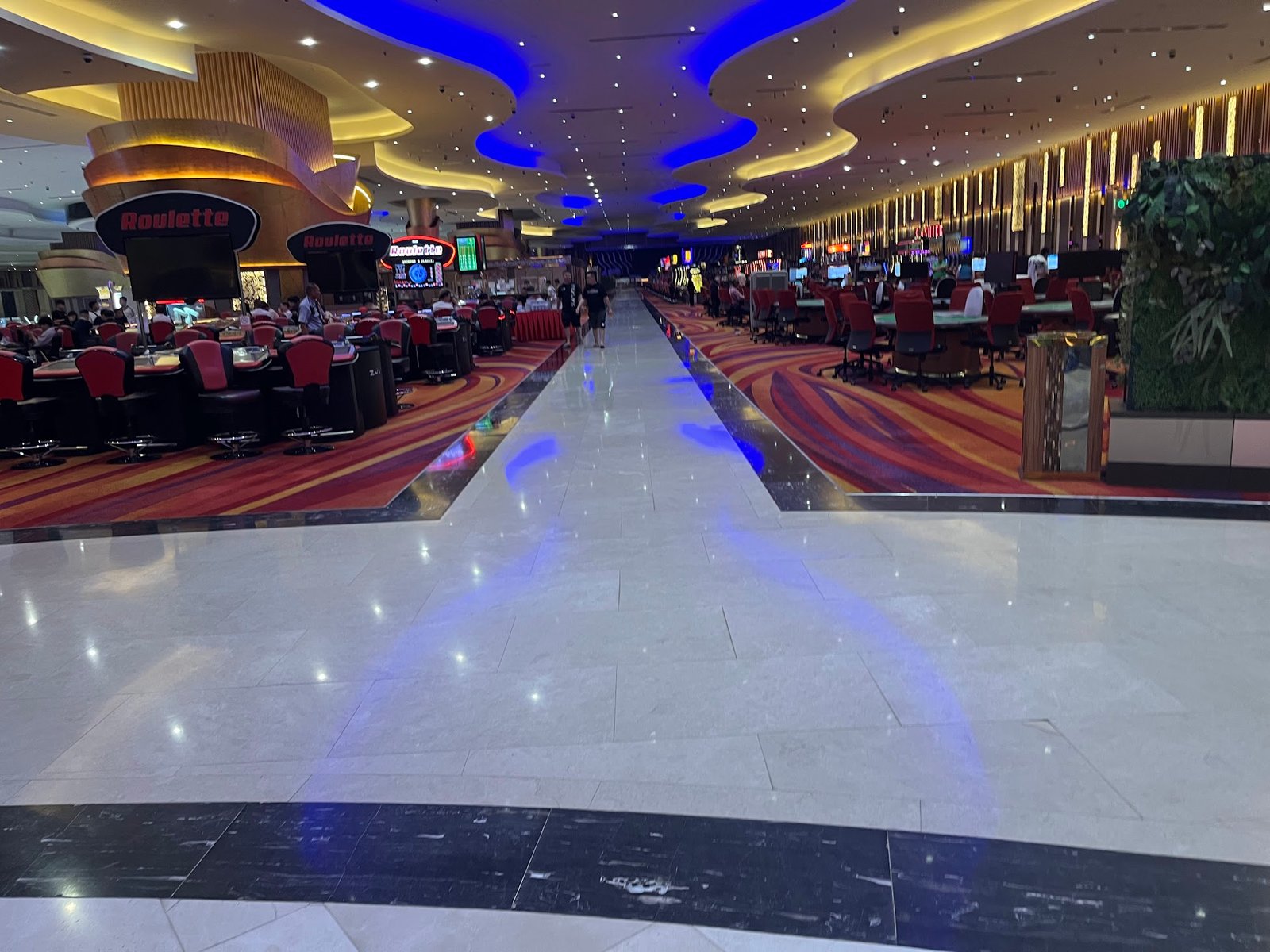
Anyway, we got there a little after 2pm and I checked into a hotel for the night. I embarked on a long walk to the border checkpoint, then along the casino strip. I passed Crown, Star Vegas and the Galaxy, as well as other smaller casinos. I went into those that were open and had a look around. In each case a small part of the gaming floors was open, with the rest of the premises inaccessible. A few bored-looking people were gambling. I didn’t stick around – I caught the evil eye of security guards and got told off twice for taking photos.
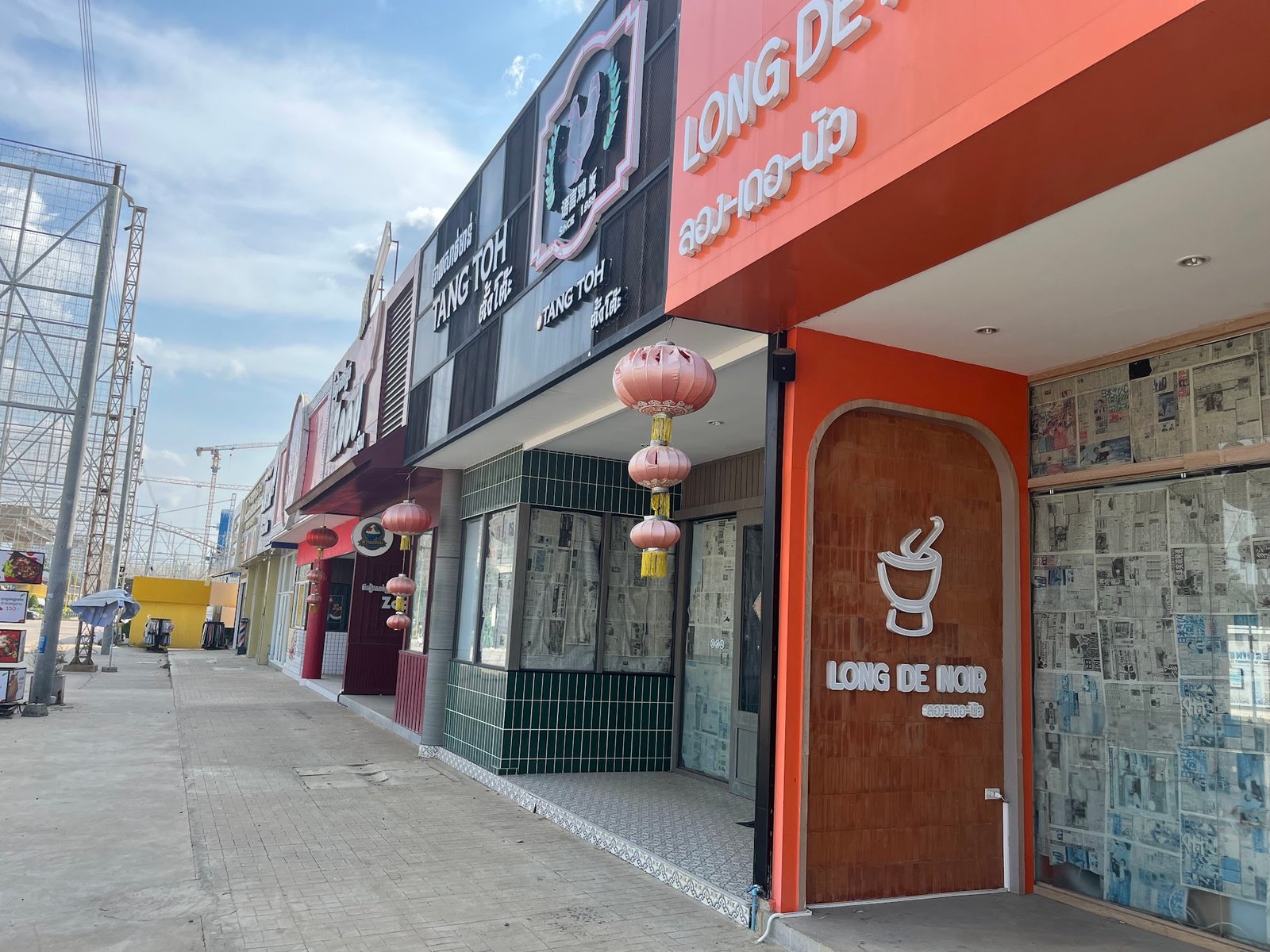
Along the street I also saw a lot of boarded up shops with newspaper on the walls dated November 2025…a monument to forlorn grandeur. It was damn hot and, feeling a bit disillusioned by it all, I caught a tuk-tuk back to my hotel.
Evening frolics
I figured things couldn’t be worse at night – surely the place comes alive. I resolved to visit the Galaxy, which was the one that showed the most promise in my initial investigations. I’m not a gambler by habit but I budgeted myself $50 to drop on the roulette wheel, and a bit more for a cocktail or two. I had a vision of a cocktail bar with a piano crooner entertaining well-dressed gamblers and a few colourful but disreputable ladies.
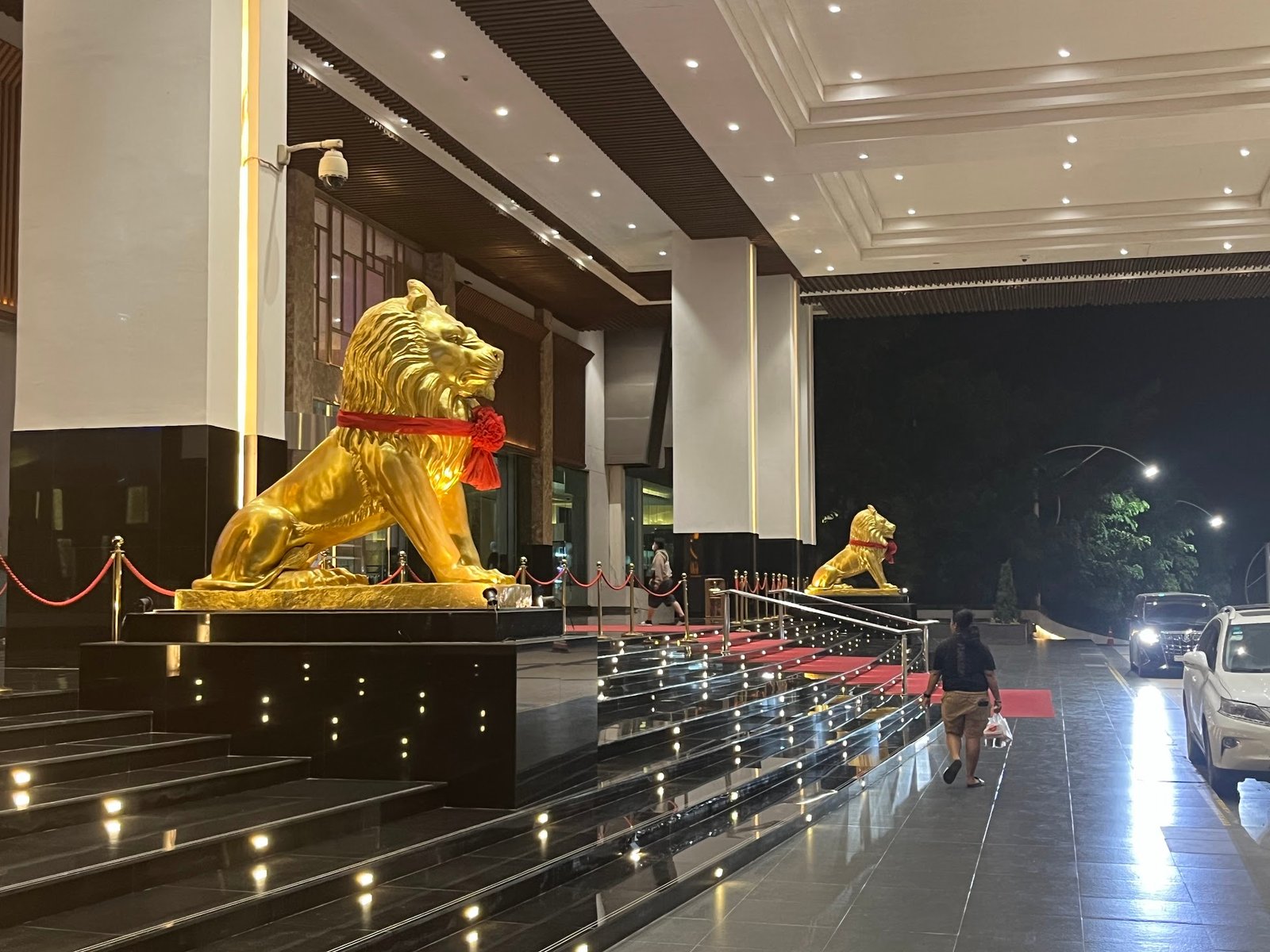
Nope. It was almost exactly as it had been four hours earlier. Cavernous, empty, and totally depressing. I shuffled by the tables, got glared at by a pit boss, and asked a lady where the bar was. She pointed, and I went. The ‘bar’ was more like a coffee counter with a beer fridge and a tired-looking food menu written in Thai and English. Other than the employees behind the counter, nothing was Cambodian. So I bought a Singha beer and retired to a table.
I lasted exactly one beer. No crooners, no colourful ladies, no intrigue. Just a sparse collection of young Thais staring at their phones like zombies in between trips to the tables. I stood up and left, un-noticed and unlamented. I walked to the night market nearby, bought some mango sticky rice and rode a tuk-tuk back to my room.
The optimism of a new day
I awoke at 6.30 in my little room with the rattling air conditioner, and asked myself what the hell I was going to do until my bus left at 11. I spent an hour reading Albert Camus’s ‘The Plague’. Hardly the most cheerful read, but it did improve my mood…wherever you are, somewhere there is a place that is worse. I then stepped out and circled a few blocks, stopping at a friendly coffee shop. At 10.30 I headed buswards. The trip back was easy – a different company with a non-overloaded 14 seater and a driver who spoke a bit of English.
So that’s about it. I don’t regret taking the journey – this is what adventure is about, and it gave me insight into the plight of people who are affected by a stupid little war. Another thing I noticed was that the whole time I was there I did not see another westerner. Until Cambodia reaches some sort of agreement with its more powerful neighbour, Poipet will remain a forlorn town shrivelling under the weight of its accumulated misfortunes.
If you enjoyed this read about Cambodia, you might also like our articles about the Siem Reap war museum, peanut farming, cashew farming and Kampot pepper. These articles all touch on the modern history of Cambodia, and how the lives of simple people have been affected by war and circumstances beyond their control.

Steve is a former Army officer and technology manager, now semi-retired and living in Melbourne. He enjoys adventurous travel and believes that good stories should be shared. He founded the Dusty Boots Journal as a means to connect those with similar interests.
[…] East Asia series. For other accounts of recent travels in Cambodia, have a read of the posts on the Poipet border region and the Siem Reap war museum. For older postings, type ‘Cambodia’ into the search […]